
I am currently a second-year general psychiatry resident, and I will be participating in a four-week rotation through the inpatient psychiatric units at Georgetown Public Hospital Corporation (GPHC), which is the largest hospital in Guyana, the country’s national referral hospital, and a major teaching center. As part of my rotation, I will work alongside Guyanese psychiatric practitioners to evaluate, treat, and eventually discharge the most acute psychiatric patients in Georgetown and across Guyana as a whole. In this rotation, I hope to bring the knowledge I’ve accumulated in my psychiatry training to provide high-quality care for my patients; at the same time, alongside other residents and faculty representing my healthcare system, I hope to play a role in helping the next generation of Guyanese trainees develop their own skills in providing psychiatric care.
While an individual person’s impact is often limited, I hope to help produce a functional difference in the GPHC landscape through being part of a larger contingent of healthcare workers representing my institution. Northwell Health has increasingly been establishing itself at GPHC, with an eventual goal of being able to provide a year-round presence at the hospital comprised of attendings and residents such as myself; in so doing, it creates a self-sustaining and reliable source of quality health care in Guyana, as opposed to the intermittent and unpredictable surges of trainee groups that so frequently characterizes global health missions in practice. This will be of especial importance in a country such as Guyana, which has historically seen plagued by an under-funded public service sector, leading to insufficient staffing, unoccupied beds, and a resultant increased morbidity and mortality in the general population.
As the foremost public hospital in Georgetown and Guyana, GPHC serves patients from across the country, regardless of income, ethnicity, religious background, or other factors that are frequently barriers to receiving adequate health care; to this end, I hope to play a role in helping all those in Guyana who are in need of psychiatric care. But the opportunity to experience the delivery of care in Guyana is of particular interest to me as a psychiatrist-in-training because, while people from across the world suffer from mental illness, the need for mental health care in the Guyanese population is especially striking. Guyana appears to be in the midst of a mental health crisis: according to data released by the World Health Organization, in 2021, Guyana’s suicide rate was the 4th highest in the world, out of 183 countries with available data. With this statistic in mind, and taking into consideration the country’s history of insufficient funding for public hospitals, increasing the presence of psychiatric care providers available to the Guyanese public feels especially urgent. This is just one reason among many that I hope to participate in a global health rotation at GPHC; I know that I can receive a quality global health education in just about any country, but there are few places where I will be able to bring benefit to the local population to the degree that I hope to in Guyana.
My global health rotation will be taking place at a time of particular importance for psychiatric care in Guyana; not only because of the mental health crisis that the population is currently facing, but also because the country is entering a time of significant opportunity. In the past decade, Guyana has stumbled upon massive wealth through discovery of off-shore oil reserves. This oil money is now being channeled back to the Guyanese public, in large part through increased funding of public services. As such, in the near future, Guyana’s healthcare system will likely undergo rapid change; and I hope to play a part in making a positive impact during what may well turn out to be a crucial point of transition. During my rotation at GPHC, I hope to be able to positively impact my patients, through attention, treatment, and proper medication management; Guyanese medical trainees, through using what I have learned in medical school and residency to provide quality instruction to those who are junior to me in their medical education; and hopefully the broader Georgetown community, through being part of a large healthcare organization seeking to establish a permanent footprint at GPHC. In so doing, I envision myself and my peers leaving behind a lasting legacy of high-quality, patient-centric care, such that, even after I return to the United States, I will have been a part of the effort to help the Guyanese healthcare system develop upon strong foundations. And, in addition, my experience will provide benefit beyond the borders of Guyana: the New York metropolitan area, where I am based, is home to the world’s largest Guyanese expatriate population. Thus, after my global health rotation ends, I will return to the United States with an expanded cultural context, and a greater capacity to effectively treat the patients I will see on a daily basis throughout the remainder of my time in residency.
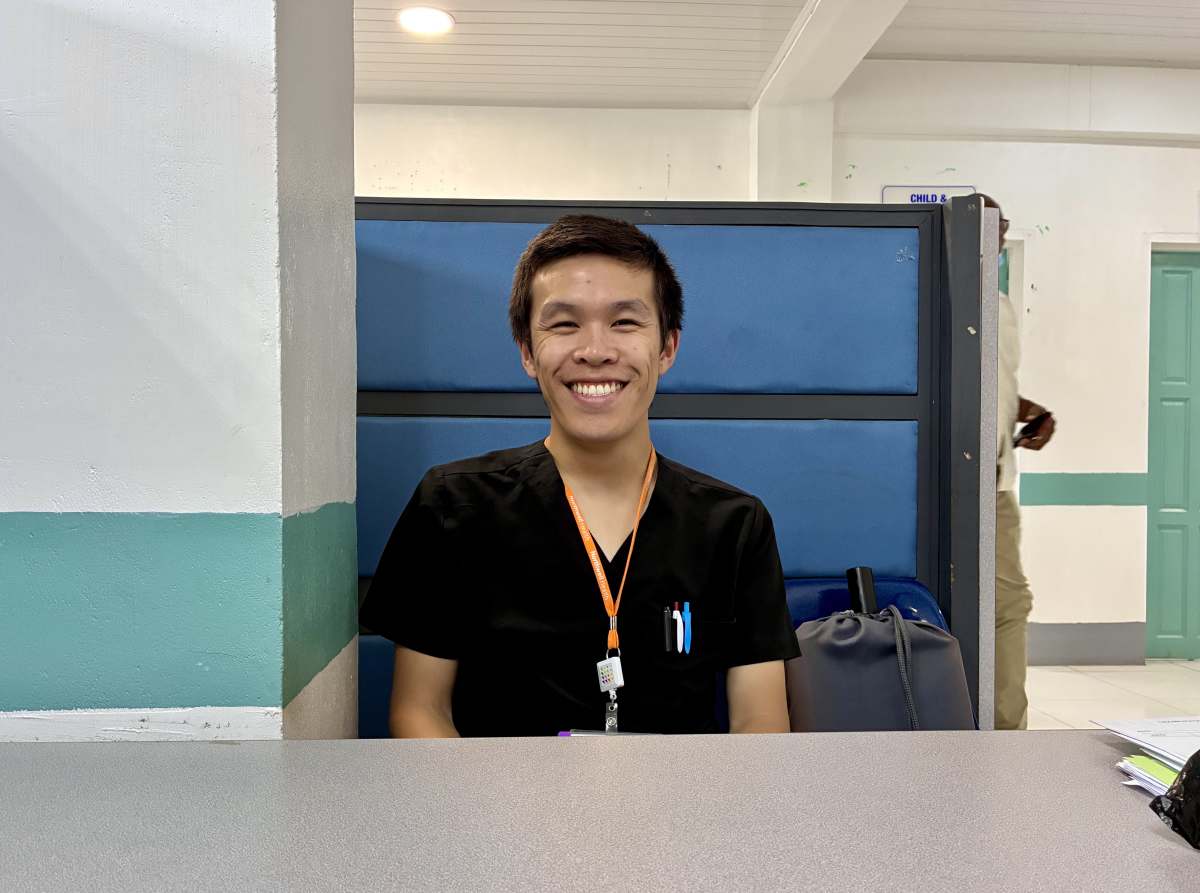
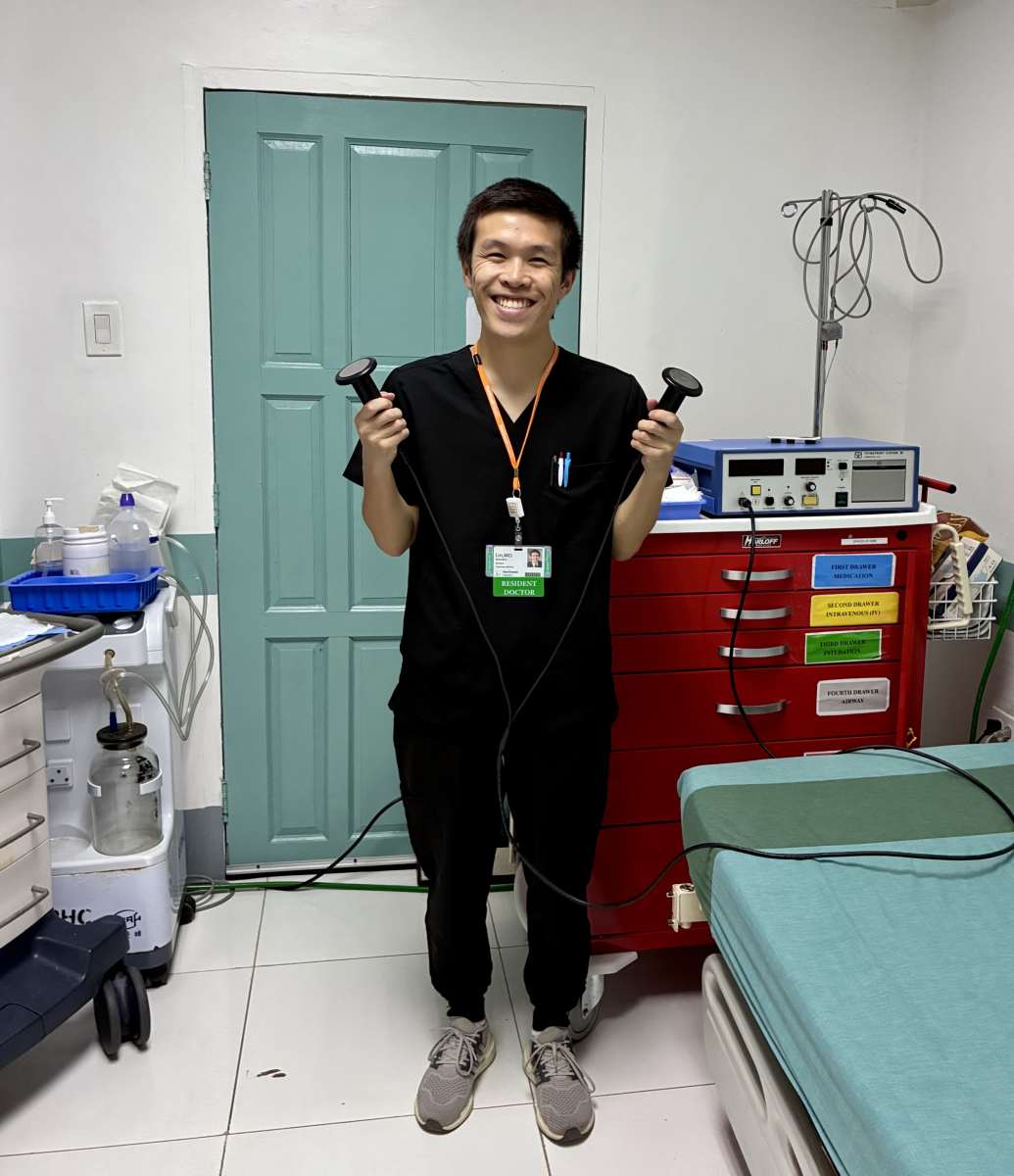
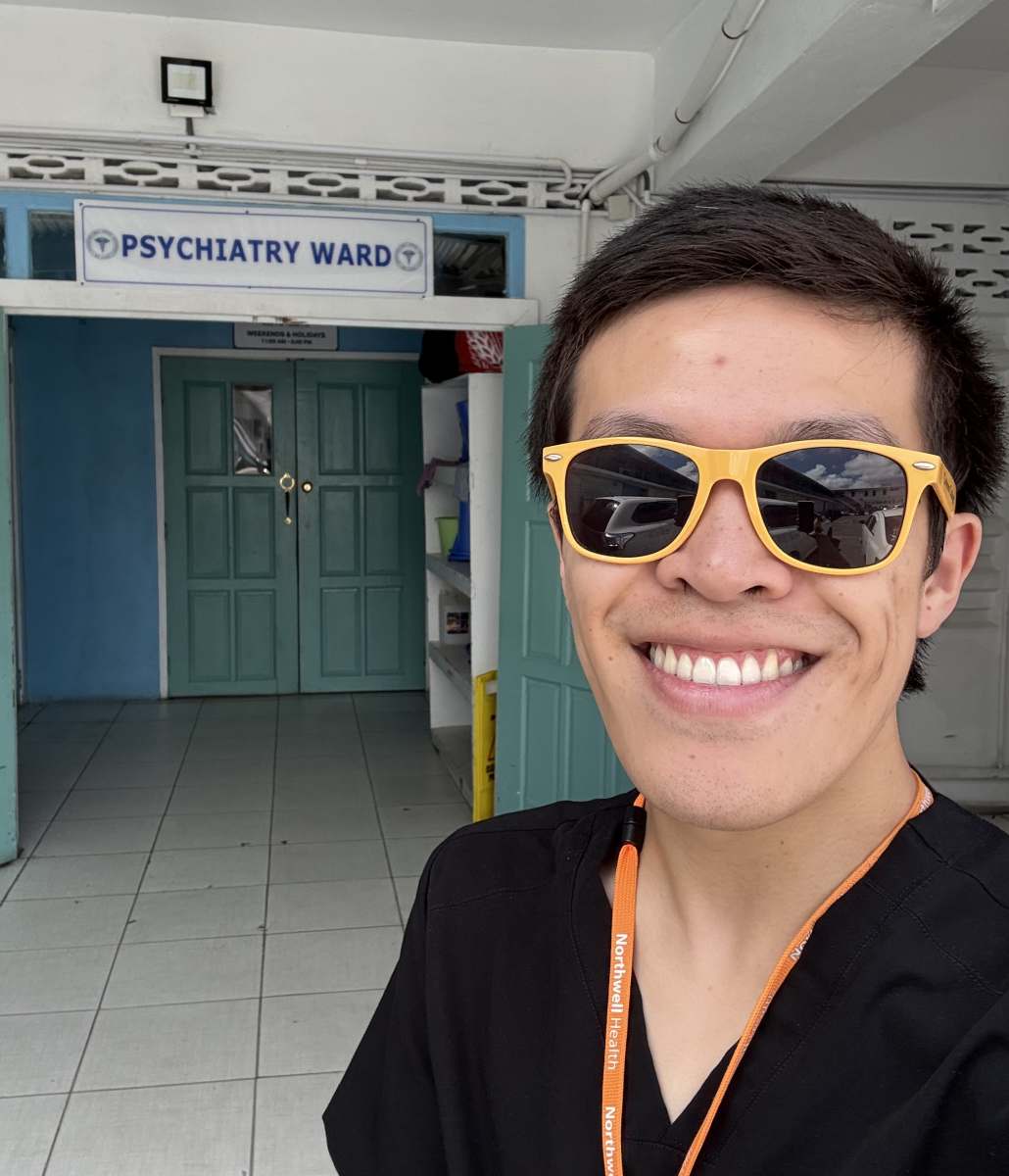
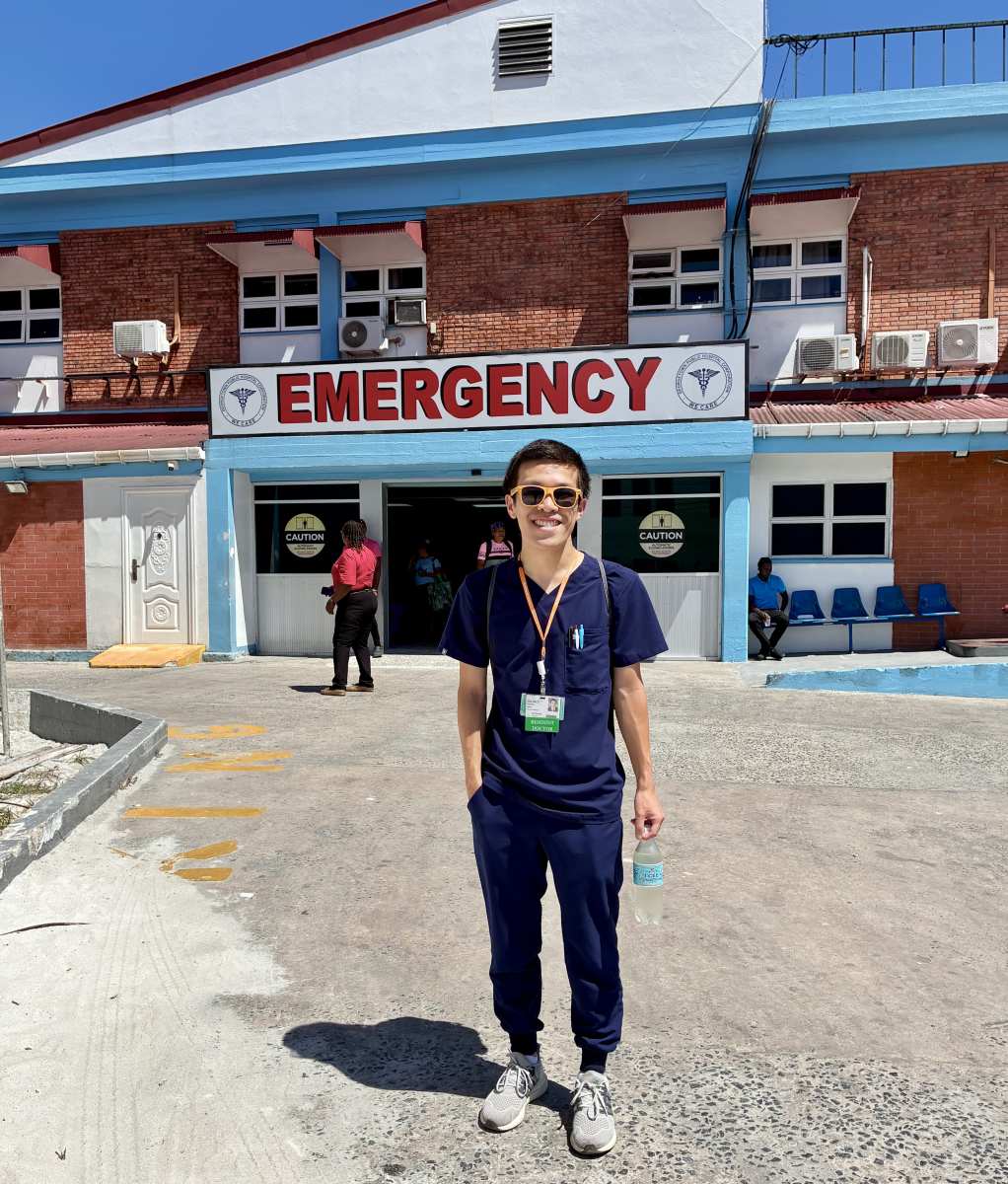
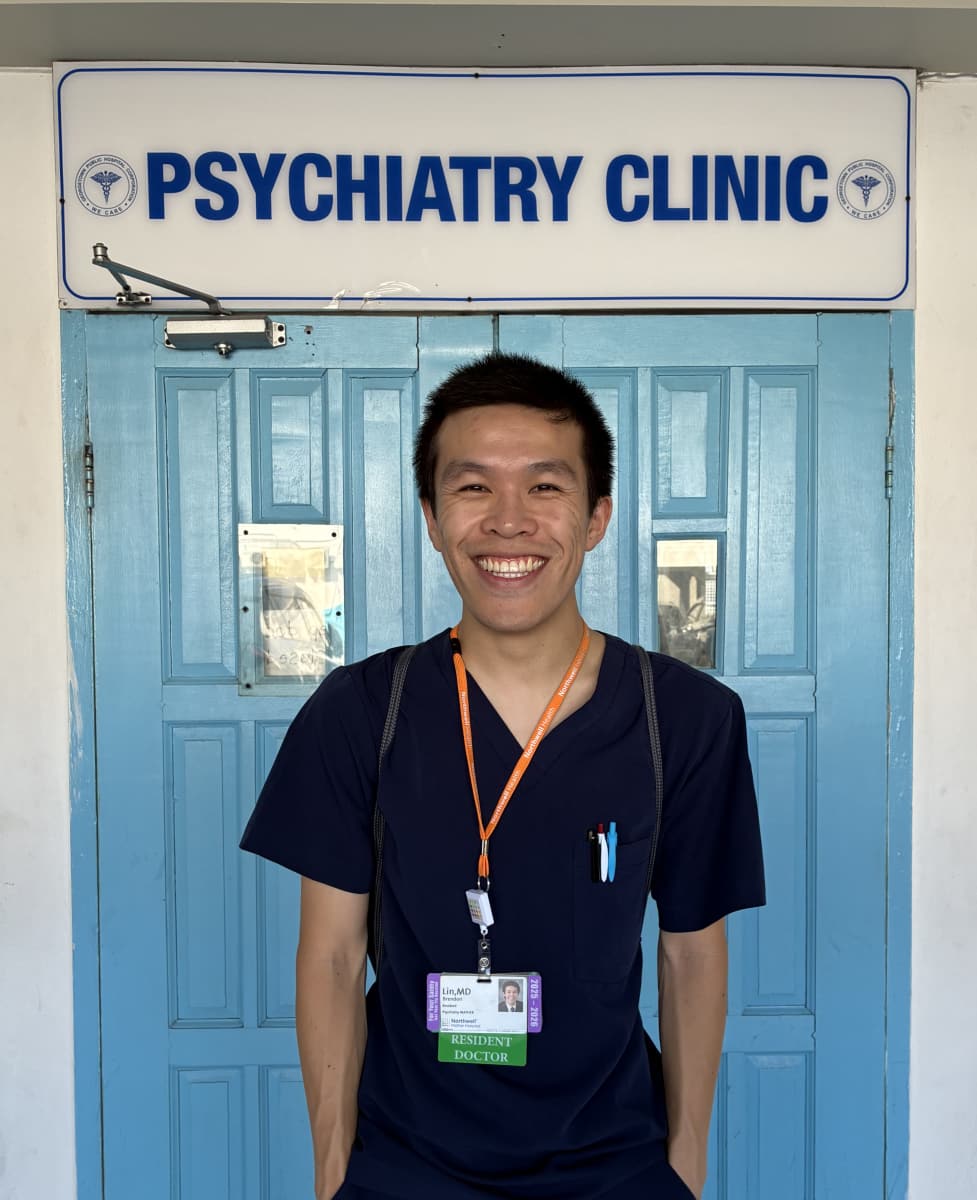
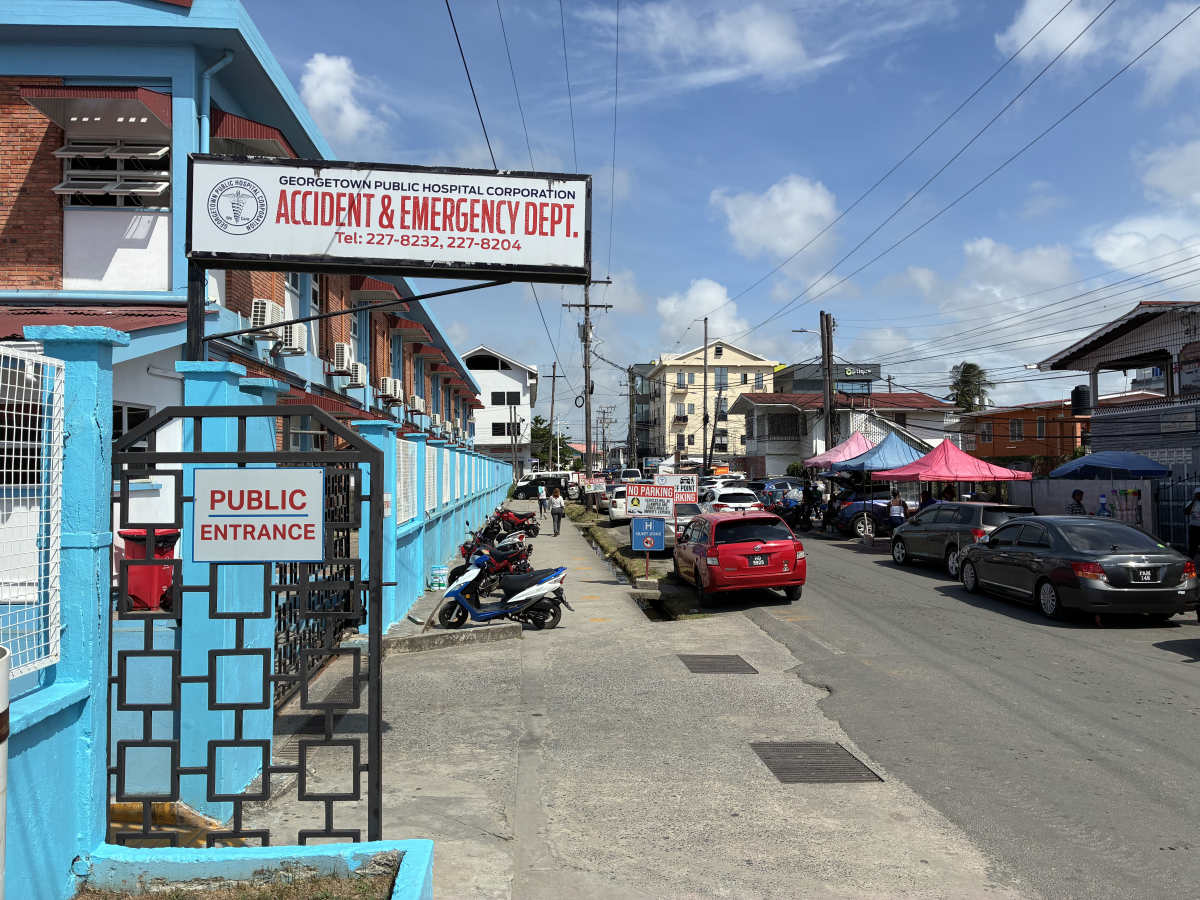


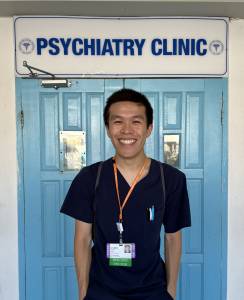
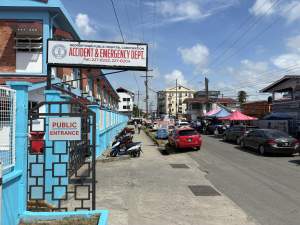
During my month-long rotation in Guyana, I worked alongside the attending physicians and residents at the Georgetown Public Hospital Corporation's psychiatry department, splitting time between the outpatient and inpatient settings. In this time, I was able to learn more about how psychiatry is practiced in Guyana, and was able to evaluate and assist in the treatment of patients, whom I hope to have benefited by my care. I was also able to share approaches in the management of challenging and treatment-refractory cases with the doctors there. Through offering alternative treatment strategies, as well as demonstrating different ways to interview and assess patients, I hope that I was able to positively impact GPHC’s psychiatry practitioners, especially the residents and rotating medical students.
In strengthening the interview, diagnosis, and assessment skills of Guyanese trainees, I hope to have contributed to a longer-lasting positive impact for the Guyanese mental health patient population as a whole. Guyana is currently in a mental health crisis, with one of the highest suicide rates in the world, a large under- and untreated population, and widespread medication non-compliance, all further hampered by marked societal stigma against the treatment of mental health conditions. At the same time, Guyana is experiencing an economic boom due to recently discovered oil, with significant public investment into developing and expanding the healthcare system. In an environment where psychiatrists are struggling to manage a population in need of treatment, alongside the opportunity presented by increased government investment, any steps taken to increase the clinical acumen of current Guyanese psychiatry practitioners, as well as to encourage more medical students to pursue specialization in psychiatry, will be of tremendous impact in the treatment of mental health conditions across the entire country. I hope that my time spent at GPHC will have played a part in strengthening the foundations of psychiatric clinical care in Guyana, both through my individual interactions with patients, as well as through my work alongside attending physicians, residents, and medical students in the psychiatry department.

