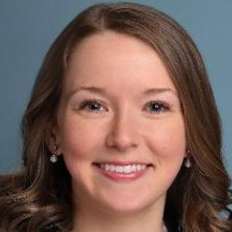
As a surgical resident and the acting Global Surgery Research Fellow with ISHI Global at Tetteh Quarshie Memorial Hospital in Ghana, I will provide surgical care while partnering with local clinicians to strengthen long-term surgical capacity. Working alongside Ghanaian and American surgeons, anesthetists, nurses, and trainees, I will evaluate patients, assist with operations for inguinal and ventral hernias, soft tissue masses, and gynecologic conditions, and lead the postoperative follow-up to ensure safe recovery. Beyond direct patient care, I will focus on education and knowledge exchange. I will teach at the bedside and in the operating room, sharing evidence-based perioperative management and surgical techniques while learning from local providers about delivering care in a resource-limited setting. I will also participate in Stop the Bleed training for healthcare workers and community members, helping build local capacity to recognize and manage life-threatening hemorrhage before definitive medical care is available. In collaboration with the Obstetrics and Gynecology team, I will support continued implementation of a locally adapted protocol for the non-surgical management of uterine fibroids that ISHI enacted on its last surgical trip to the region, expanding treatment options for women who cannot undergo surgery because of limited operating room availability or other barriers. This mission is designed to create impact beyond the procedures performed during the trip. By combining direct surgical care with education, protocol development, and durable partnerships, we aim to improve access to safe surgery while empowering local providers with skills and resources that remain after our team departs. My goal is to contribute to a sustainable model of global surgery that improves patient outcomes, strengthens local healthcare systems, and supports continued collaboration between our institutions.
The primary beneficiaries will be patients in the Akuapem region of Ghana, who experience limited access to timely surgical care because of workforce shortages, resource constraints, and financial barriers. Many patients live with treatable conditions for years before receiving care, leading to unnecessary disability, lost income, and diminished quality of life. A major focus is the treatment of inguinal and ventral hernias. Untreated hernias often prevent patients from performing manual labor, farming, and other physically demanding work that supports their families. Repairing these hernias relieves pain, prevents life-threatening complications such as incarceration and strangulation, and allows patients to safely return to work, restoring both health and economic stability.
Women with symptomatic uterine fibroids also stand to benefit significantly. In many low-resource settings, women's surgical and reproductive health needs receive less attention because of limited resources and competing healthcare priorities. By expanding access to both surgical treatment and evidence-based non-surgical management, we hope to reduce chronic pain, heavy bleeding, anemia, and the social and economic consequences that often accompany untreated fibroids. The mission also benefits healthcare workers and the broader community through Stop the Bleed education. Trauma is a leading cause of preventable death in low- and middle-income countries, and uncontrolled hemorrhage is one of the most treatable causes of mortality. Training clinicians, first responders, and community members to rapidly recognize and control severe bleeding equips local communities with lifesaving skills that can be applied long after the mission ends. Together, these efforts improve individual patient outcomes while strengthening the community's ability to respond to surgical disease and traumatic injury.
I expect this experience to have a lasting impact on both the Ghanaian community and my own development as a surgeon committed to global surgical equity. In Ghana, the immediate impact will include restored health for patients undergoing surgery, expanded treatment options for women with uterine fibroids, and increased knowledge among local healthcare providers through bedside teaching, operative collaboration, and Stop the Bleed education. Because these activities emphasize partnership rather than one-time service, the knowledge and skills shared can continue benefiting patients after our team leaves.
Personally, this mission will strengthen my ability to deliver safe, high-quality surgical care in resource-limited settings while deepening my understanding of sustainable global health partnerships. Working alongside local clinicians will teach me practical strategies for adapting surgical decision-making, optimizing limited resources, and prioritizing interventions with the greatest long-term benefit. These lessons will directly inform my future career in global surgery.
After returning home, I plan to remain actively involved with ISHI Global by participating in mission planning, quality improvement initiatives, research, and educational collaborations with our Ghanaian partners. I will share lessons learned with residents and medical students through presentations and mentorship while helping refine future missions based on local needs and outcomes. I also hope to contribute to ongoing evaluation of programs such as the uterine fibroid management initiative and Stop the Bleed training to ensure they continue evolving based on feedback from local stakeholders.
Ultimately, I hope this experience will reinforce a career dedicated to building equitable, sustainable surgical systems through long-term partnerships, education, research, and collaborative capacity building rather than episodic mission work alone.





Overview
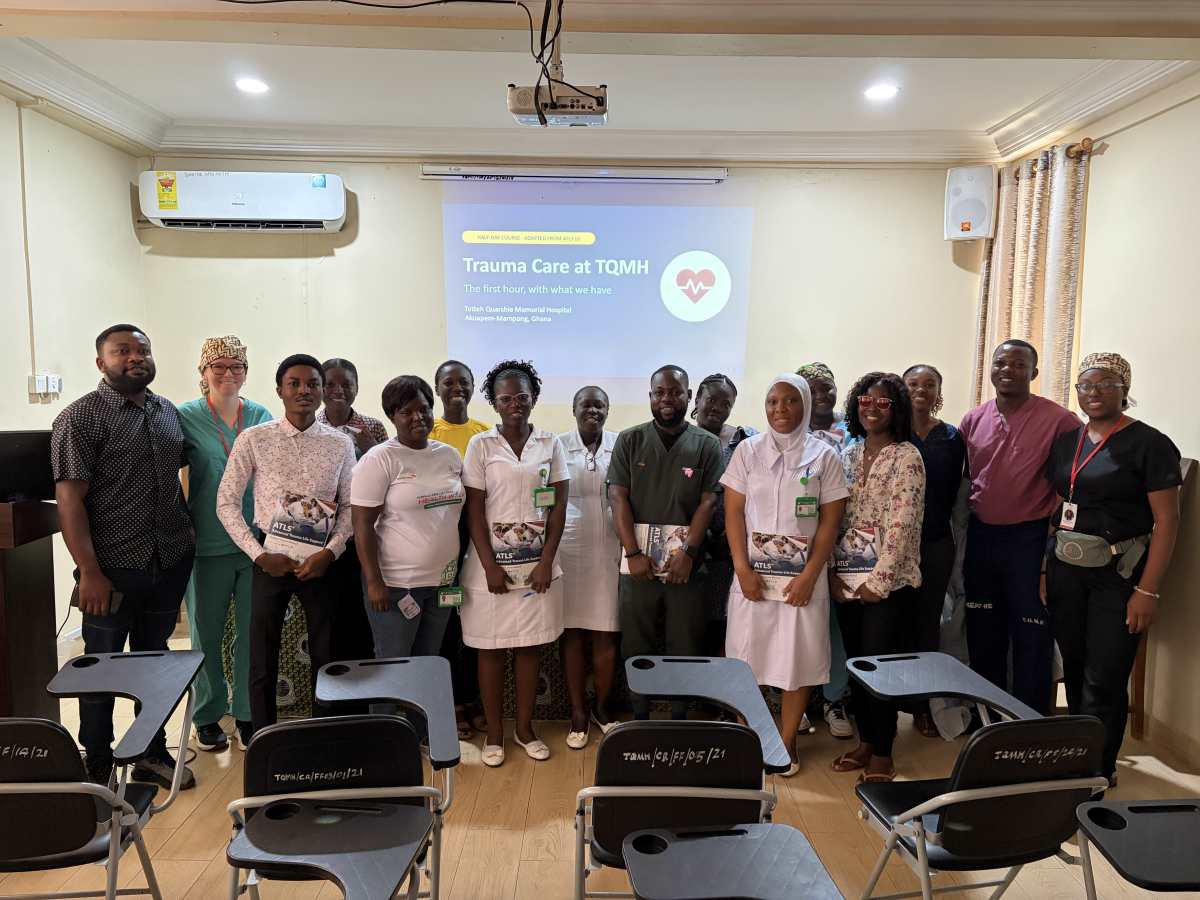
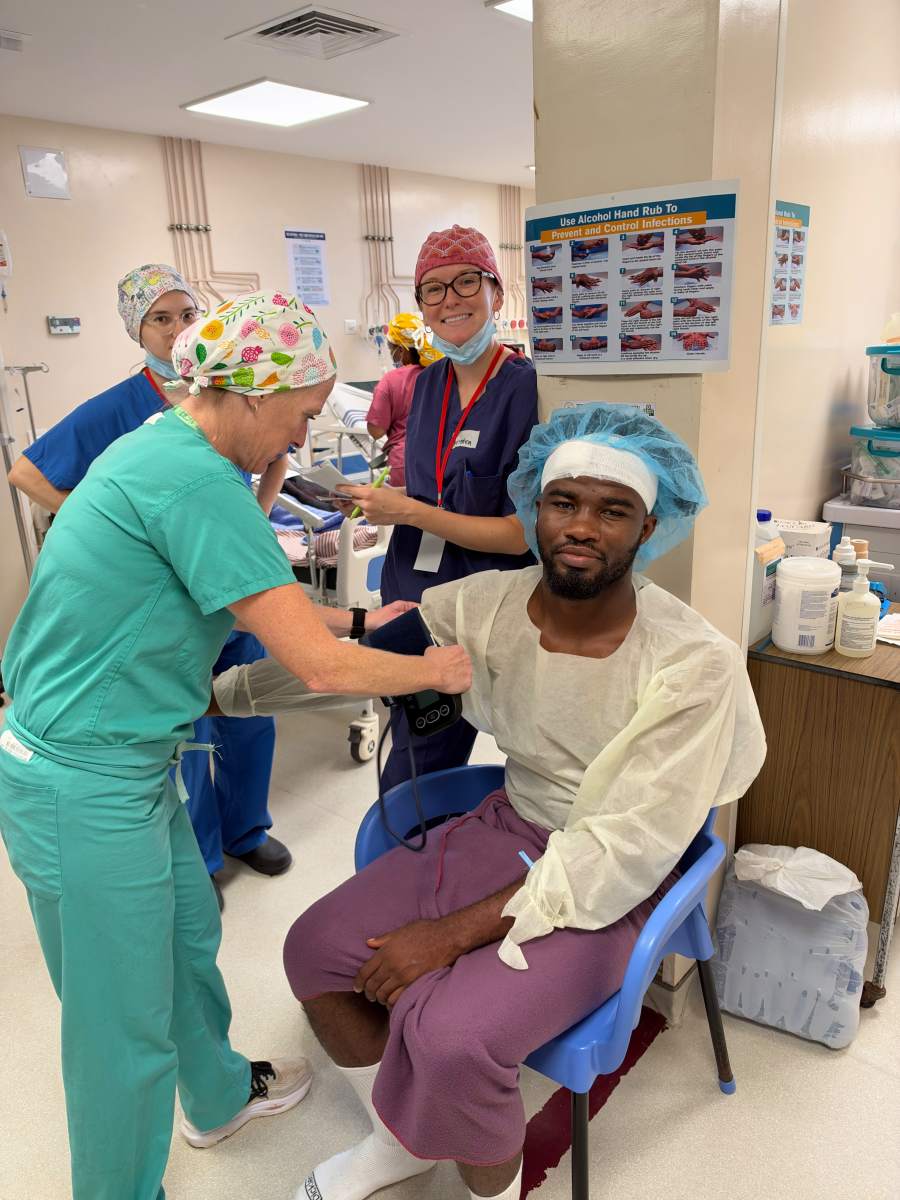
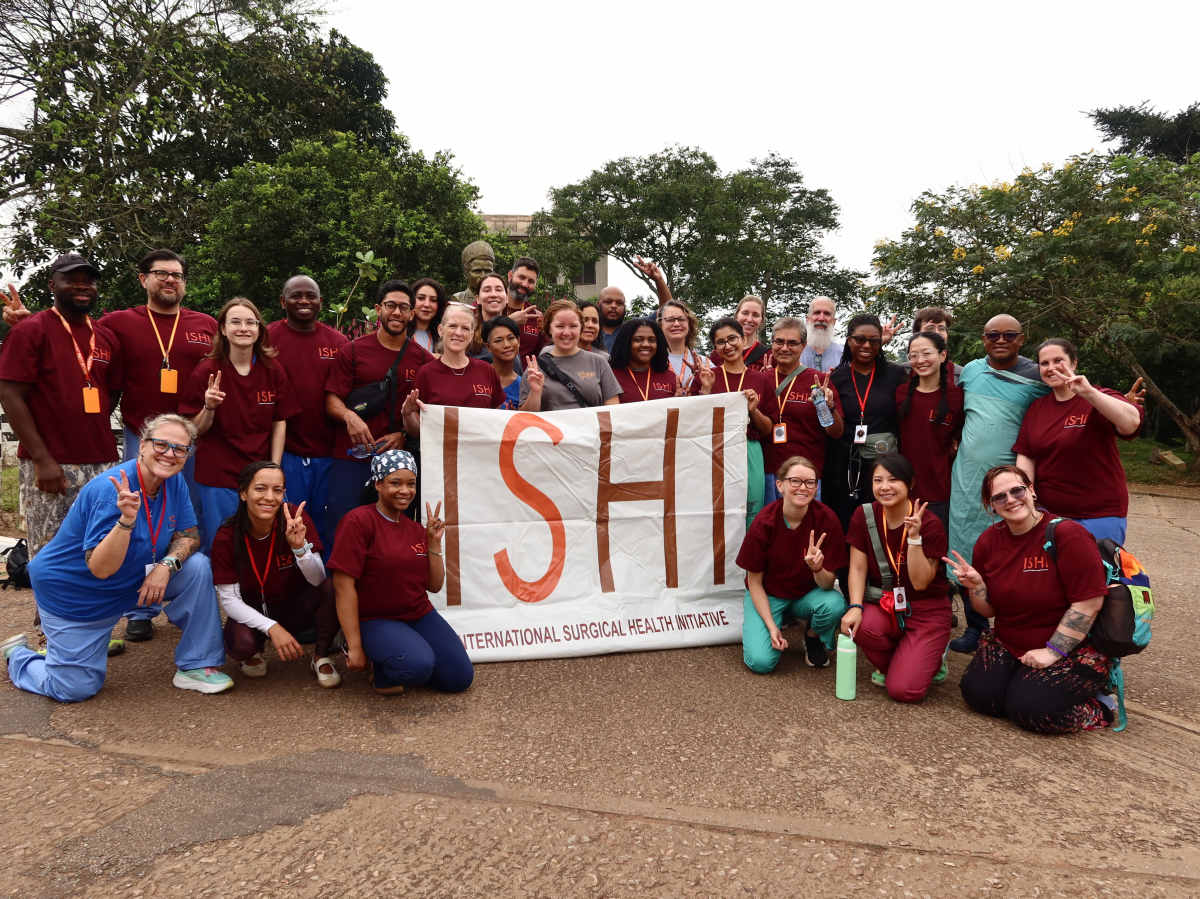
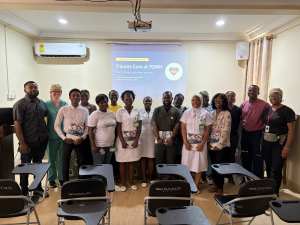
With the Doximity Foundation's support for my flight, I spent two weeks at Tetteh Quarshie Memorial Hospital (TQMH) in Mampong, Ghana, as part of a 30-volunteer surgical team with the International Surgical Health Initiative (ISHI). Over five operating days, our team performed 101 surgeries, and I trained more than 75 nurses and housestaff in trauma, stroke, burn care, airway management and more. Most of all, I learned from the TQMH doctors and nurses, whose clinical skills in a low-resource setting were remarkable. I am deeply grateful to the Foundation for making this possible.
As ISHI's global surgery research fellow, I planned this trip from the ground up, coordinating volunteers, supplies and logistics with our partners at TQMH. Seeing that planning turn into care for real patients was one of the most meaningful experiences of my training as a general surgery resident.
Surgical care and follow-up
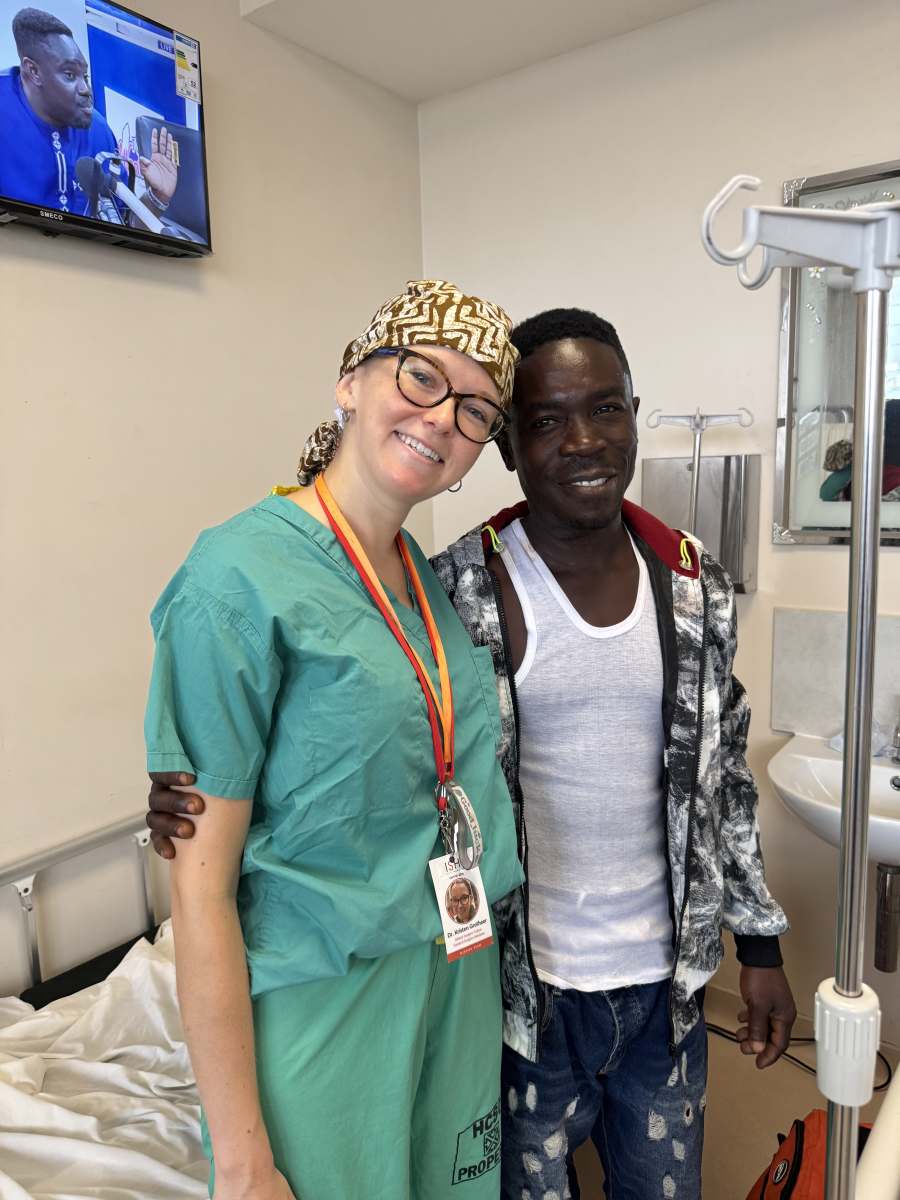
We completed 101 operations in five days, working alongside the TQMH surgeons, anesthetists and nurses. Our cases included inguinal and ventral hernia repairs, soft tissue mass excisions, and hysterectomies for uterine fibroids. Many of these patients had lived for months or years with conditions that would be treated promptly in the United States, simply because surgical care was out of reach. For patients with visible soft tissue masses, removal did more than treat a diagnosis: it gave back comfort, quality of life and self-confidence.
The work required constant adaptation. The hospital ran out of water partway through each day, and we often faced as many as 10 power outages a day. Limited infrastructure shaped every decision, from scheduling cases around available equipment and supplies to planning recovery without the monitoring and imaging we often take for granted. Working within those limits pushed me to rely on careful clinical examination, sound judgment and close teamwork.
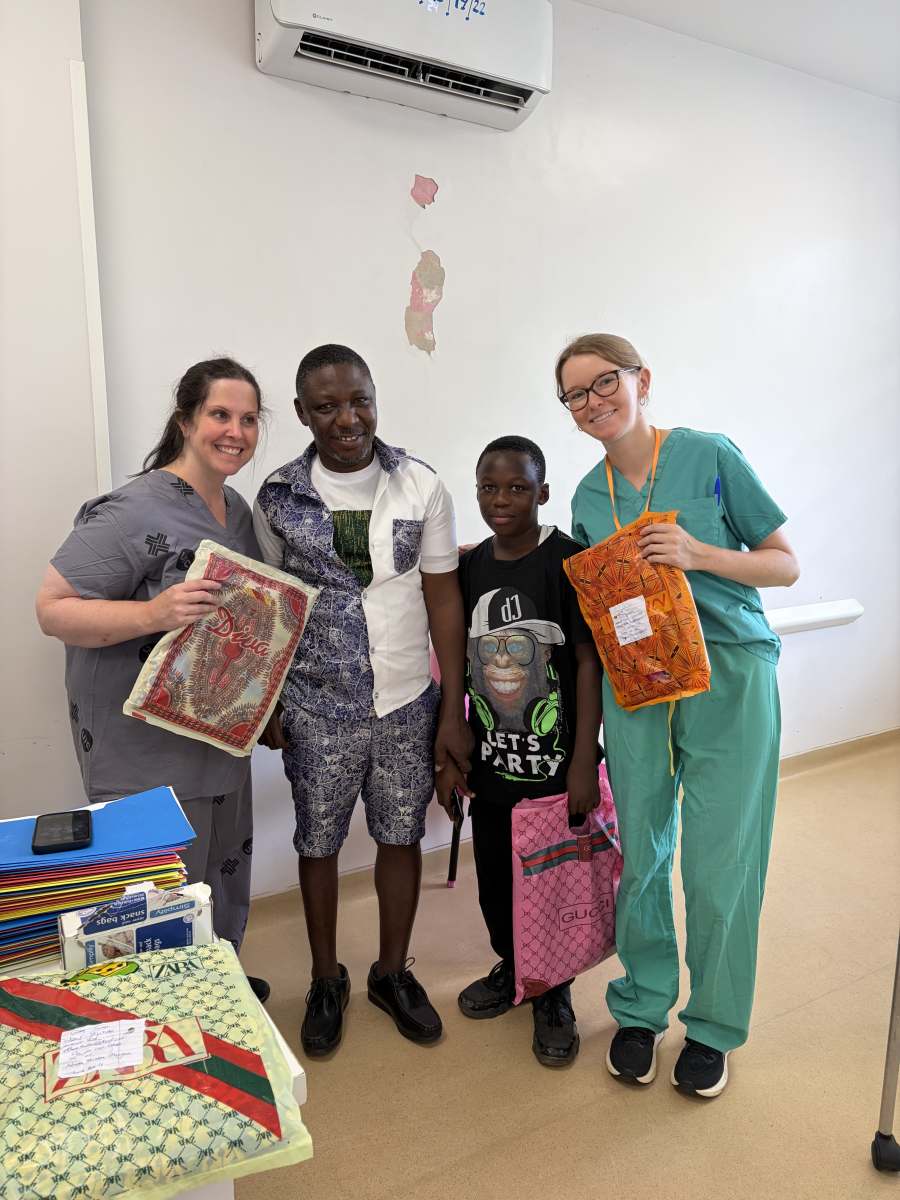
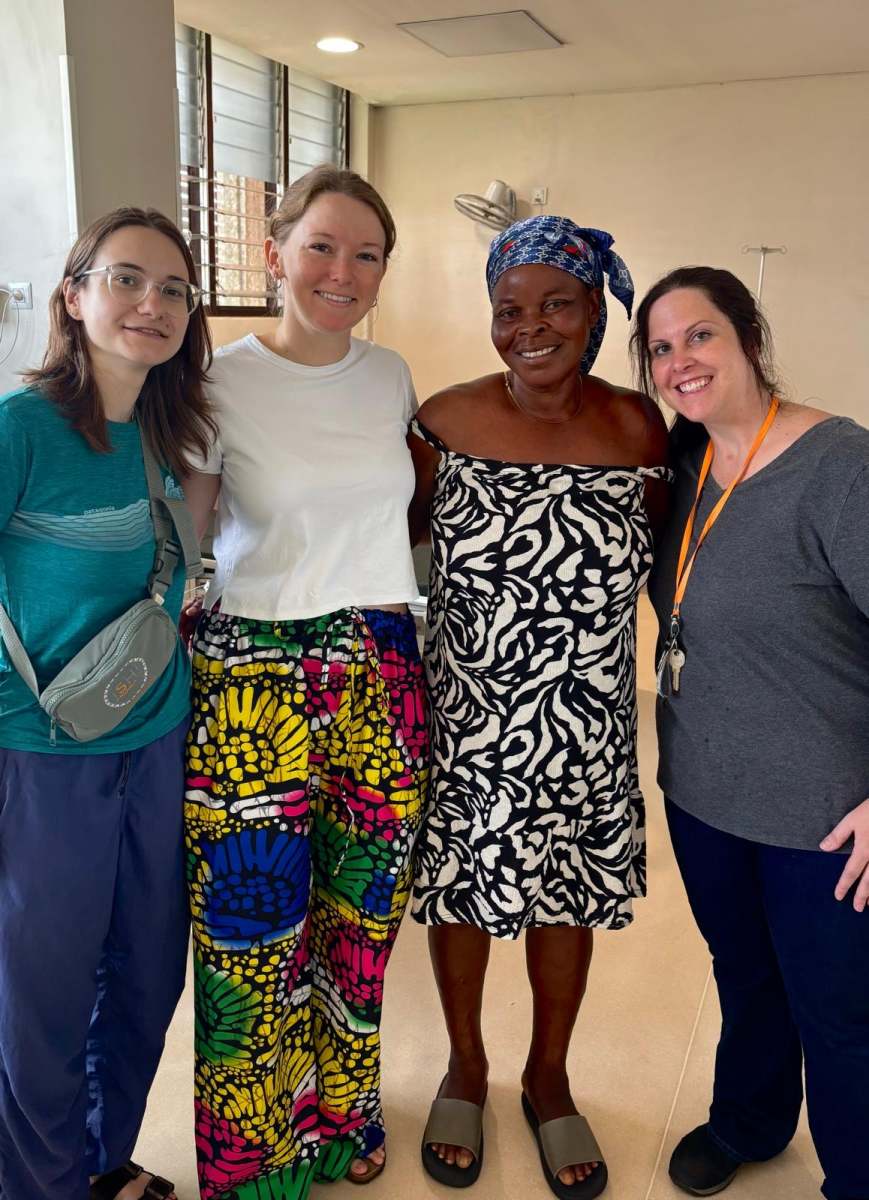
Because the trip lasted two weeks, a small group of us (another resident, two medical students and I) stayed on to follow our patients after surgery rather than leave the day the last case was done. Every patient we saw in follow-up was recovering well. Many patients and their families brought gifts to our team to thank us, a gesture of remarkable warmth and generosity. Their gratitude, and the trust they placed in a team of visitors, is something I will carry with me throughout my career.
Training local nurses and housestaff
Surgery helps the patients on the table; education helps the patients who come after we leave. With that in mind, I trained more than 75 TQMH nurses and housestaff in three areas the local team identified as priorities.
• Modified ATLS. This was the most important part of our teaching. We adapted Advanced Trauma Life Support principles to the resources actually available at TQMH, focusing on a systematic primary survey, early recognition of life-threatening injuries, and decisions that can be made with clinical examination and basic tools when advanced imaging and blood products are limited.
• Code stroke without a CT scanner. Standard stroke protocols assume rapid CT imaging. We built a practical approach around early recognition, structured neurologic assessment, supportive care and clear escalation criteria for a setting where CT is not available.
• Burn management and grafting. We covered initial burn resuscitation, wound care, and the principles and technique of skin grafting, which can restore function and prevent disabling contractures.
The nurses and housestaff were engaged, curious and quick to apply what we covered. My goal was to leave behind skills and protocols that the TQMH team owns and can keep teaching to one another long after our team has gone home.
Equipment that lasts beyond our visit
Alongside training, we brought equipment the TQMH team can keep using, and taught the skills to use it.
• Women's health. With grant assistance, we donated 200 IUDs and taught the local team insertion technique, expanding access to long-acting contraception for women in Mampong.
• Electrocautery. We donated a Bovie electrosurgical unit to support safer, more efficient operating.
• Wound and burn care. We donated silver sulfadiazine (Silvadene) and petrolatum-impregnated (Vaseline) gauze, supplies I saw put to use during the mass casualty response described below.
• Airway management. Thanks to the Uveal team, we brought two video laryngoscopes. I taught the local team how to use them, and they have already put them into practice successfully.
• Cystoscopy. On our last trip, ISHI donated a cystoscope. This time I worked with the ISHI urologist to develop a cystoscopy curriculum so the team can be trained to use it safely and teach others.
Pairing every donation with training is central to our approach: equipment without the skills to use it sits on a shelf, while equipment paired with teaching becomes part of how a hospital cares for patients.
Responding to a mass casualty event
During our trip, a bus accident brought a wave of injured patients to TQMH at once. Transfer to a higher-level center was not an option, so every patient had to be triaged, stabilized and treated by the team already in the building.
I joined the local doctors and nurses in that response, and it became the most formative experience of the trip. I watched the TQMH team triage quickly and calmly, assign roles, and make difficult decisions about who needed intervention first with the resources on hand. It was a real-world demonstration of the same modified trauma principles we had been teaching, and a reminder that the local team had been practicing them under pressure long before we arrived. Many of the injured had severe road rash, and the Silvadene and Vaseline-soaked gauze we had donated went straight to work in their wound care.
That day made clear why trauma training matters so much in this setting. When transfer is impossible, the quality of care depends entirely on the preparation, skills and teamwork of the people who are there.
What I learned from the TQMH team
I went to Mampong to teach, but the most important lessons of the trip came from the TQMH doctors and nurses. Their clinical skills are exceptionally strong. Without the technology many of us rely on, they diagnose and manage patients through careful history, meticulous physical examination and sound judgment, and they make the most of every supply.
I saw this most clearly while helping the team care for a patient with a stroke. There was no CT scanner to confirm the diagnosis or guide treatment. Outside the operating room, there was no ability to intubate or mechanically ventilate a patient whose airway or breathing failed. There were no vasopressors to support blood pressure and no arterial line monitoring. Every decision rested on bedside assessment and the experience of the clinicians in the room.
Working through that case alongside them showed me firsthand how hard it is to care for a critically ill patient without these tools, and how much skill it takes to do it well. It also shaped the stroke protocol we taught: a plan built for the resources TQMH actually has, not the ones a textbook assumes.
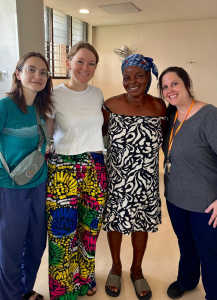
The TQMH team's resourcefulness and dedication to their patients were humbling. They welcomed us as colleagues, and the partnership we built is what made the trip successful. This was a true exchange of knowledge, and it has changed how I think about clinical examination, surgical judgment and resource stewardship, lessons I will bring back to my own patients at home.
Getting to know Mampong
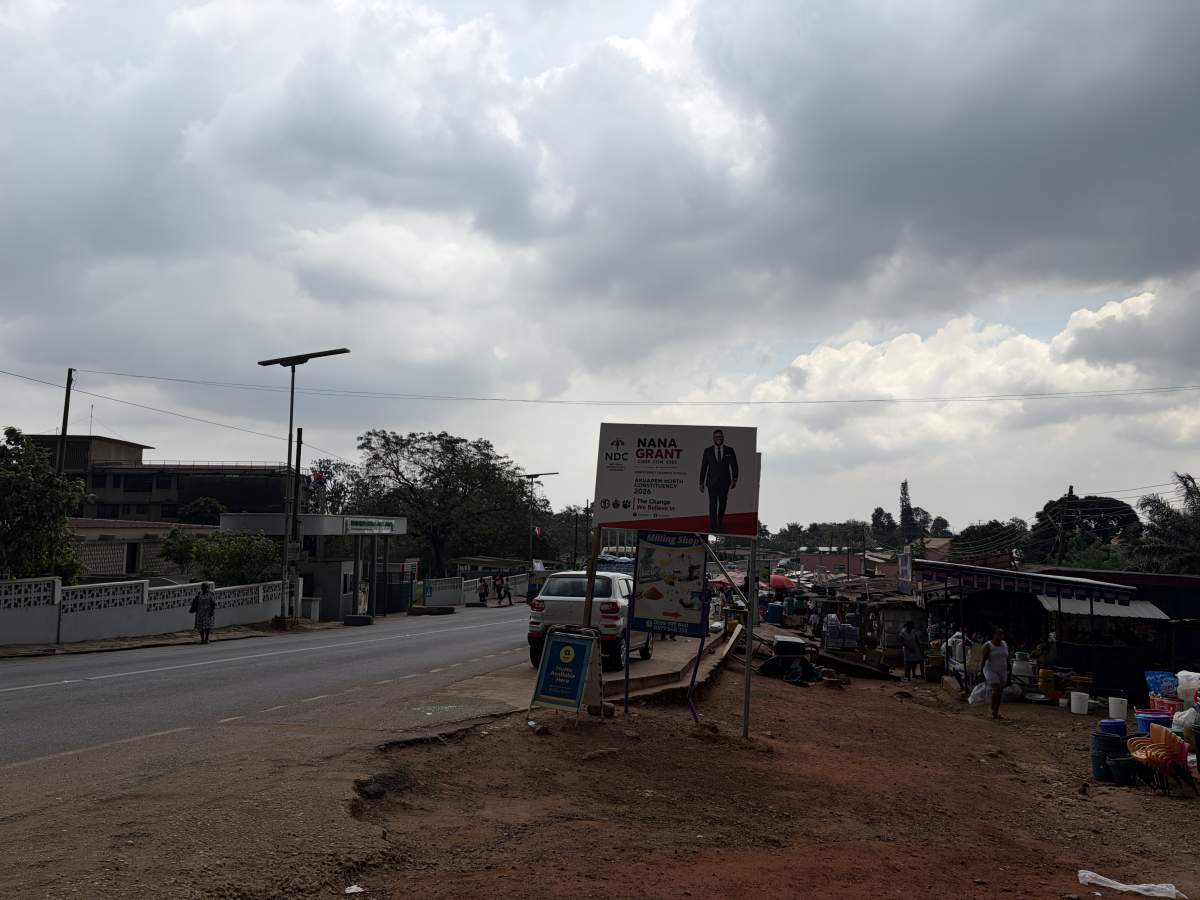
The follow-up group also spent part of a day learning about the community our patients call home. We learned the history of cocoa farming, which Tetteh Quarshie, the hospital's namesake, brought to the area. We made beads with a family living in the rural bush, visited the Aburi Botanical Gardens, and hiked to Adom's waterfalls, a local gathering spot.
That day gave us a deeper appreciation for Mampong's history and the people who live there. Understanding the place behind the patients made our work feel even more personal, and it strengthened my commitment to returning.
Looking ahead
This was my first surgical trip, and I hope it is the first of many. As ISHI's global surgery research fellow, I plan to build on this partnership with TQMH: continuing the training programs we started, learning what the local team needs most, and helping make each future trip more sustainable and more useful to the community we serve. I cannot wait to continue this partnership.
Thank you to the Doximity Foundation for supporting my travel and for investing in global surgery. Your support helped bring surgical care to 101 patients, training to more than 75 local clinicians, and lessons I will carry throughout my career. I am also grateful to my ISHI colleagues, our 30 volunteers, and above all the TQMH team and the patients of Mampong, who made this experience what it was.
All patient photos are shared with patient permission.

