
In addition to observing perioperative care in the Hospital Central de Maputo, our cohort’s plan is to collaborate with the residency program in the anesthesiology department to develop educational projects. This will include studying the presentation of diabetic ketoacidosis (DKA) in critically ill patients. Despite the increasing incidence of diabetes in Mozambique, there is a limited data on the presentation of DKA in this patient population. The study will also aim to better characterize ketosis-prone diabetes, or atypical diabetes, which has been shown to be more common in patients of African and Hispanic descent. Objectives of the project include characterizing the proportion of diabetes types among DKA patients, evaluating mortality rates and predictors, and analyzing risk factors. Another project that we are hoping to develop is a POCUS curriculum. There is a strong interest from the faculty and trainees to learn how to use POCUS to diagnose heart and lung-related pathologies in the perioperative setting, specifically. POCUS can be helpful in the recognition of newly developing pathologies prior to or after surgery, which can assist faculty and trainees alike in recognizing changes in the patients’ clinical status. Lastly, our group will also be starting a project that modifies the massive transfusion protocol (MTP) for postpartum patients, who suffer from postpartum hemorrhage. Postpartum hemorrhage is one of the major contributors to morbidity and mortality in parturients globally, and this project will be useful in examining how to reduce this complication following birth.
The patient population served by the Hospital Central de Maputo will benefit from the DKA project. Studying the presentation of DKA and its risk factors will not only help with better understanding the clinical presentation, but it will also lead to earlier interventions and treatment of the condition. It is a project that will benefit the faculty and trainees in Maputo, by providing them the opportunity to study the growing diabetic patient population and better characterize clinical DKA presentation. Our cohort will also benefit from the findings of the study, given that atypical diabetes also affects patient populations in the United States. The POCUS teaching curriculum will benefit the faculty, trainees and patient population served. Teaching the faculty and trainees how to use POCUS will help them learn a new, versatile skillset that can be used to assess patients in the perioperative setting and critically ill patients. In a low resource setting where access to prompt imaging studies may not be readily available, POCUS can be used to quickly characterize known or new clinical pathologies. Lastly, the postpartum hemorrhage protocol project will benefit physicians in optimizing resuscitation efforts in parturients who suffer from postpartum hemorrhage following birth. The affected patients will also benefit from a standardized approach to treating postpartum hemorrhage promptly and effectively.
The expected impact from the DKA project is that it will provide the faculty in the department the opportunity to be involved in clinical research while also learning how to care for the affected population. Once we travel to Mozambique, we will meet with the faculty to develop the project and ensure that adequate resources are available to continue the study after our return. This will include identifying personnel in the Hospital Central de Maputo, who will track patients admitted for DKA and consent them to be a part of the study, if interested. The POCUS curriculum will provide a skill to the anesthesiologists that can be used at any point in perioperative care to diagnose new or known pathologies in patients. Regarding the POCUS curriculum, we plan to potentially bring ultrasounds with us and leave a written curriculum with the staff so that they can still develop their skills. The MTP project will help standardize management of postpartum hemorrhage in the affected patients. After our return, the goal is to work with the anesthesiology department and ancillary staff to implement the protocol in an effective and manageable way that complements the clinical workflow.


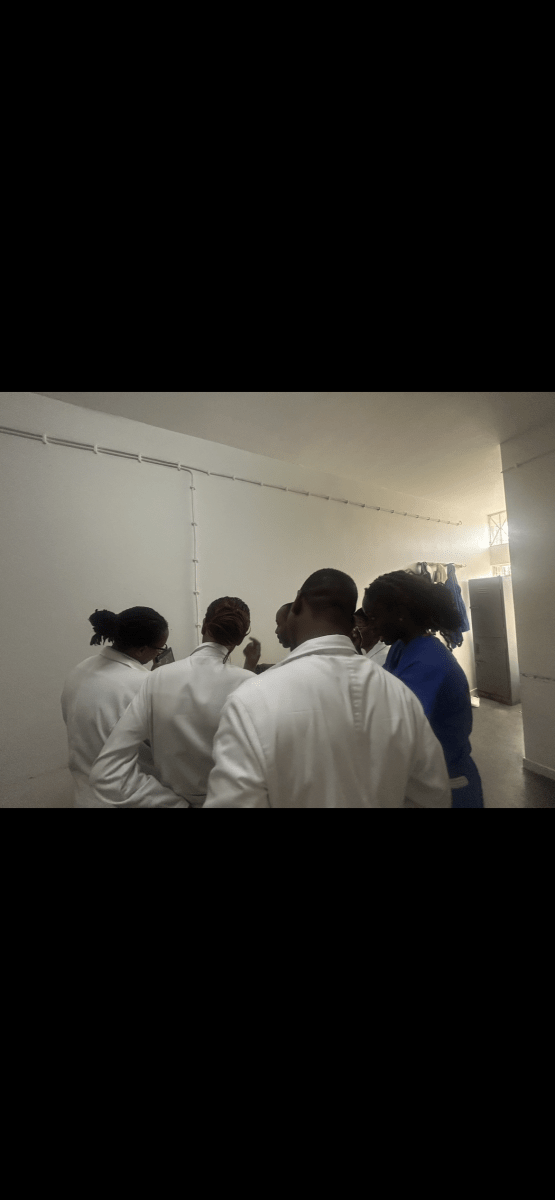
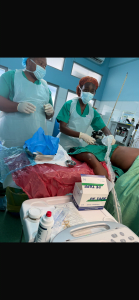
During our trip to Maputo, we engaged with multiple aspects of perioperative care. We not only spent time in the operating rooms but also in the ICU and obstetric operating rooms. To minimize the need for general anesthesia, part of our work included doing surgical nerve blocks on patients for orthopedic procedures. We also had the opportunity to teach residents how to do a POCUS exam on patients to help them assess cardiac, lung and intra-abdominal pathologies.

