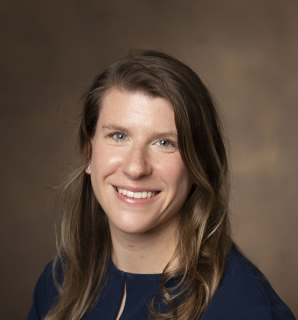
As part of the Global Emergency Medicine department at Vanderbilt University Medical Center, I will travel to Maputo, Mozambique, to collaborate with the Department of Emergency Medicine at Maputo Central Hospital in strengthening its Emergency Medicine residency program. Working alongside residency leadership and trainees, our team will first identify the program's highest-priority educational needs before collaboratively developing curriculum and educational resources tailored to the local context. Rather than implementing a predetermined curriculum, our approach emphasizes partnership, ensuring that educational initiatives are driven by the goals and priorities of Mozambican faculty and residents.
In addition to curriculum development, I will provide bedside teaching and one-on-one clinical instruction with residents, fostering practical skill development in the emergency department while learning from local clinicians' expertise and experience. These exchanges will strengthen clinical education while promoting bidirectional learning between our institutions.
This visit represents the inaugural trip of a new partnership between Vanderbilt University Medical Center and Maputo Central Hospital. Beyond the immediate educational impact, our goal is to establish a sustainable, long-term collaboration that supports the continued growth of Emergency Medicine training in Mozambique through ongoing mentorship, recurring educational exchanges, and locally driven capacity building. By investing in emergency medicine education today, we hope to contribute to a stronger physician workforce capable of improving emergency care for patients throughout the region for years to come.
The primary beneficiaries of this project are the Emergency Medicine residents and faculty at Maputo Central Hospital, who are working to expand and strengthen one of the country's developing Emergency Medicine training programs. Through collaborative curriculum development, bedside teaching, and ongoing mentorship, this project aims to support locally identified educational priorities and enhance resident training in a sustainable way.
The impact extends well beyond the residency itself. Each resident trained through a stronger educational program will go on to care for thousands of patients over the course of their career while also serving as future educators and leaders within Mozambique's healthcare system. By investing in physician education, this project has the potential to create lasting improvements in emergency care that reach far beyond a single clinical rotation.
Mozambique faces a substantial burden of acute illness and injury, with many deaths resulting from conditions that are treatable when timely emergency care is available. As Emergency Medicine continues to grow as a specialty in the country, supporting the development of high-quality residency training represents an opportunity to strengthen the healthcare workforce and improve access to lifesaving care for communities throughout the region. My previous experiences working in East Africa have reinforced the importance of locally driven, sustainable partnerships, and I am honored to contribute to this collaborative effort while learning from Mozambican colleagues.
The impact of this experience will extend well beyond my time in Mozambique. This visit represents the beginning of a long-term commitment to partnership with Maputo Central Hospital rather than a single educational trip. The relationships established, educational priorities identified, and lessons learned will directly inform future visits by our team, allowing us to refine curriculum, strengthen mentorship, and build upon locally identified goals over time.
Personally, this experience will be foundational to my development as an academic global emergency physician. My career goal is to build sustainable Emergency Medicine training programs in resource-limited settings through collaborative education, mentorship, and health systems strengthening. Working alongside Mozambican clinicians will deepen my understanding of how to design educational initiatives that are responsive to local needs, culturally appropriate, and sustainable. These lessons will shape not only my future work in Mozambique but also my approach to global health partnerships throughout my career.
Upon returning, I will share these experiences with colleagues, residents, and medical students at Vanderbilt through teaching and scholarly work, helping prepare future trainees for meaningful, ethical engagement in global health. Ultimately, I hope this experience serves as the foundation for decades of collaboration, allowing the knowledge gained through this opportunity to benefit learners and patients far beyond the duration of this single trip.

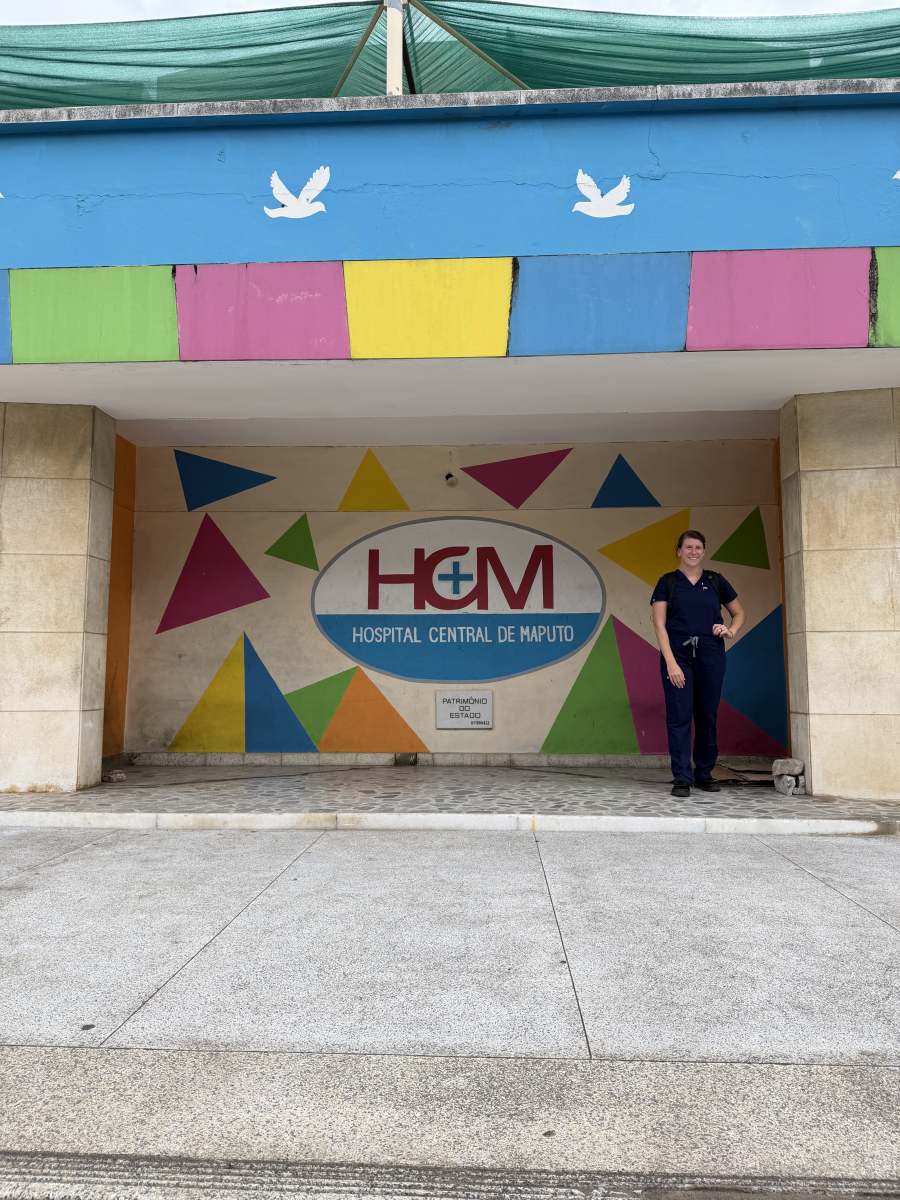

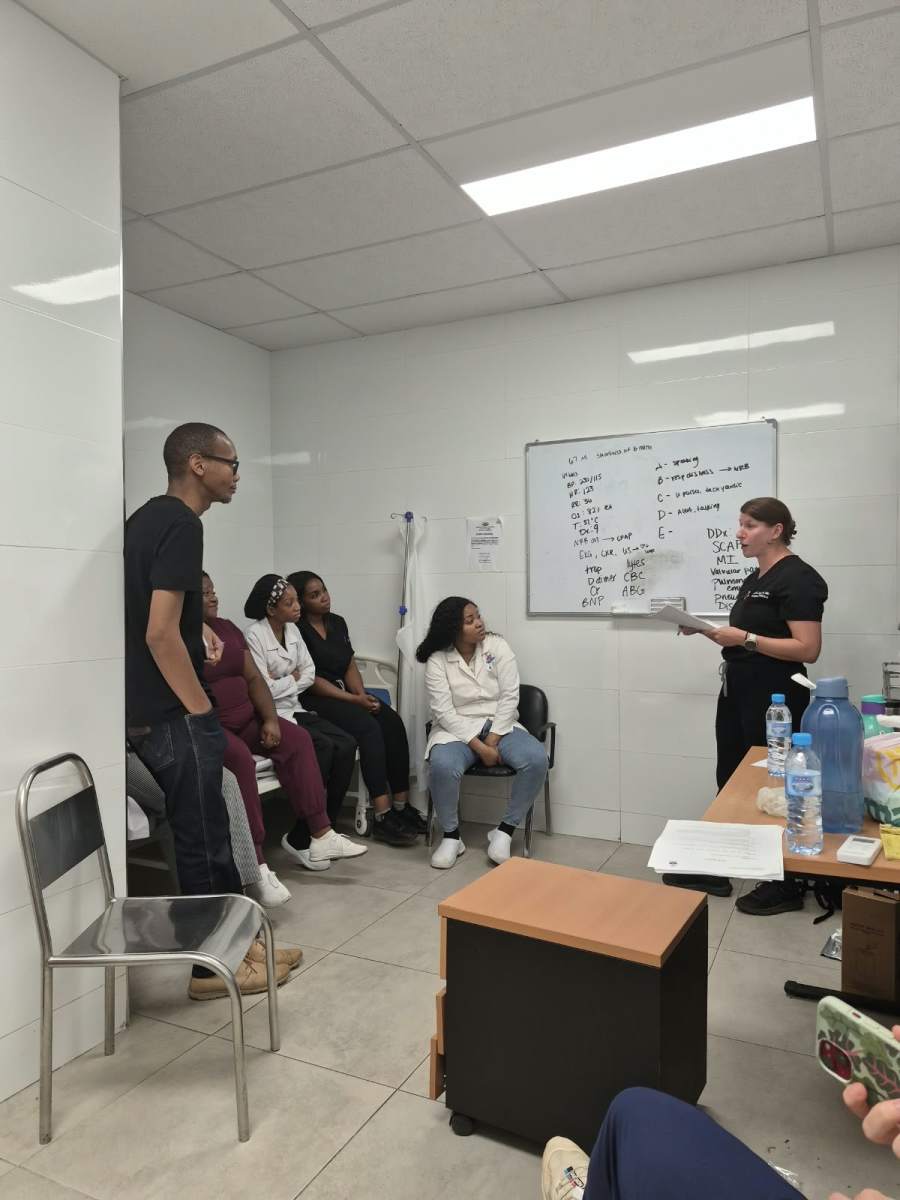

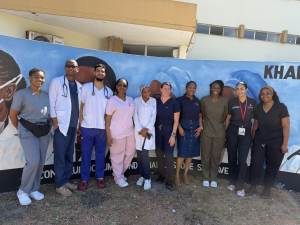
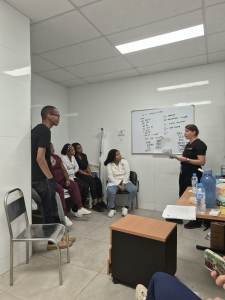
Our time at Central Hospital de Maputo in Mozambique was an incredibly rewarding experience, both professionally and personally. The individuals most directly impacted by our trip were the emergency medicine residents, faculty, and clinical team working in one of the country's busiest hospitals. Through bedside teaching, didactic education, clinical collaboration, and shared discussions about patient care, we had the opportunity to learn from one another while working toward our shared goal of strengthening emergency medicine education and improving the care of critically ill and injured patients.
We spent many hours working alongside the emergency medicine residents in the Emergency Department, collaborating on the evaluation and management of a wide variety of patients. Clinical presentations ranged from diabetic ketoacidosis and severe respiratory distress, including sympathetic crashing acute pulmonary edema (SCAPE), to serious infections, acute coronary syndromes, and traumatic injuries. These bedside encounters provided valuable opportunities for real-time clinical teaching, discussion of differential diagnoses, and consideration of management strategies in a setting with different resource availability and clinical constraints than those we typically encounter in the United States. Equally importantly, these experiences allowed us to learn from the residents, who shared their knowledge of the local healthcare system, common disease presentations, available resources, and the unique challenges of providing emergency care in Mozambique.
In addition to bedside teaching, I had the opportunity to participate in the residency program's didactic education and lead several educational sessions for residents across different levels of training. Topics included mechanical ventilation and ventilator troubleshooting, interpretation of FAST examinations in trauma patients, and safe and effective patient handover, among others. These sessions incorporated case-based discussions, practical clinical scenarios, and opportunities for hands-on learning. My goal was to provide accessible, clinically relevant education that residents could immediately apply in their daily practice. We also reviewed challenging cases and patients who experienced poor outcomes in the Emergency Department. These discussions created an opportunity for collaborative reflection, identification of potential areas for improvement, and consideration of how clinical decision-making and systems of care might be strengthened.
Beyond the immediate educational activities, an important component of our work was developing a better understanding of the resources, infrastructure, and educational needs of the Emergency Department and residency program. Through conversations with residents, faculty, and program leadership, we explored existing strengths, areas where additional training and resources might be beneficial, and opportunities to support the continued development of emergency medicine education. These discussions helped inform priorities for future educational initiatives and highlighted the importance of developing sustainable programs that are responsive to the needs identified by local clinicians and educators.
Ultimately, the greatest impact of this experience was the opportunity to build relationships and foster a collaborative educational partnership. The residents benefited from additional bedside teaching, exposure to different clinical approaches, and focused instruction on practical emergency medicine topics. At the same time, our team gained a much deeper appreciation for the ingenuity, adaptability, and dedication required to provide high-quality emergency care in a resource-limited environment. The experience reinforced that global health partnerships should be reciprocal, with learning occurring on both sides and educational initiatives shaped by the priorities of the local healthcare team.
While the immediate impact of our trip was felt by the residents and clinical teams with whom we worked, the ultimate beneficiaries are the patients and communities served by Central Hospital de Maputo. Supporting the education and professional development of emergency medicine residents has the potential to create a lasting impact that extends well beyond a single visit. By investing in local clinical capacity, strengthening residency education, and building sustainable academic partnerships, we hope to contribute to the continued growth of emergency medicine in Mozambique and, ultimately, improve access to timely, high-quality emergency care for the patients who need it most.
I am incredibly grateful to the residents, faculty, and leadership at Central Hospital de Maputo for welcoming us into their department, sharing their experiences, and allowing us to be part of their educational community. This experience was a meaningful reminder that global health work is most impactful when built on mutual respect, collaboration, and a shared commitment to improving patient care.

