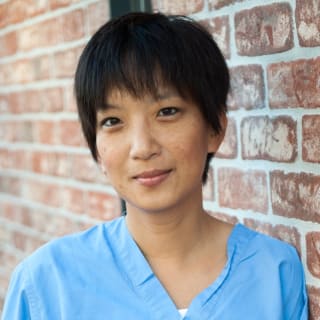
I will be serving on a surgical mission in Dhankuta, Nepal, providing essential general surgical care for patients with limited access to surgical services, including hernia repairs, gallbladder surgery, and other needed procedures. Our team will be working alongside local surgeons, physicians, nurses, and hospital staff to care for patients whose conditions might otherwise go untreated because of geographic, financial, or resource barriers.
Timely surgery can relieve pain, prevent complications, restore function, and allow patients to return to their families, work, and daily lives.
Patients in eastern Nepal who have limited access to surgical care will benefit most directly, along with the local healthcare teams who care for them. Many patients face geographic, financial, and resource barriers that delay or prevent treatment for conditions that are routinely treated elsewhere.
This population is one that can benefit substantially from access to safe, essential surgery. By working in partnership with local clinicians, we hope to support care that is responsive to the community's needs while strengthening relationships that can continue beyond a single mission.
The immediate impact will be timely surgical care for patients who might otherwise continue living with painful or disabling conditions. Beyond the operations themselves, the mission provides an opportunity to exchange knowledge and learn from local clinicians about delivering surgical care in a resource-limited setting.
We hope this mission contributes to an ongoing relationship with our colleagues in Nepal through continued communication, shared learning, and future collaboration. Lasting impact comes not only from the surgeries performed during one visit, but from partnerships that strengthen patient care over time.
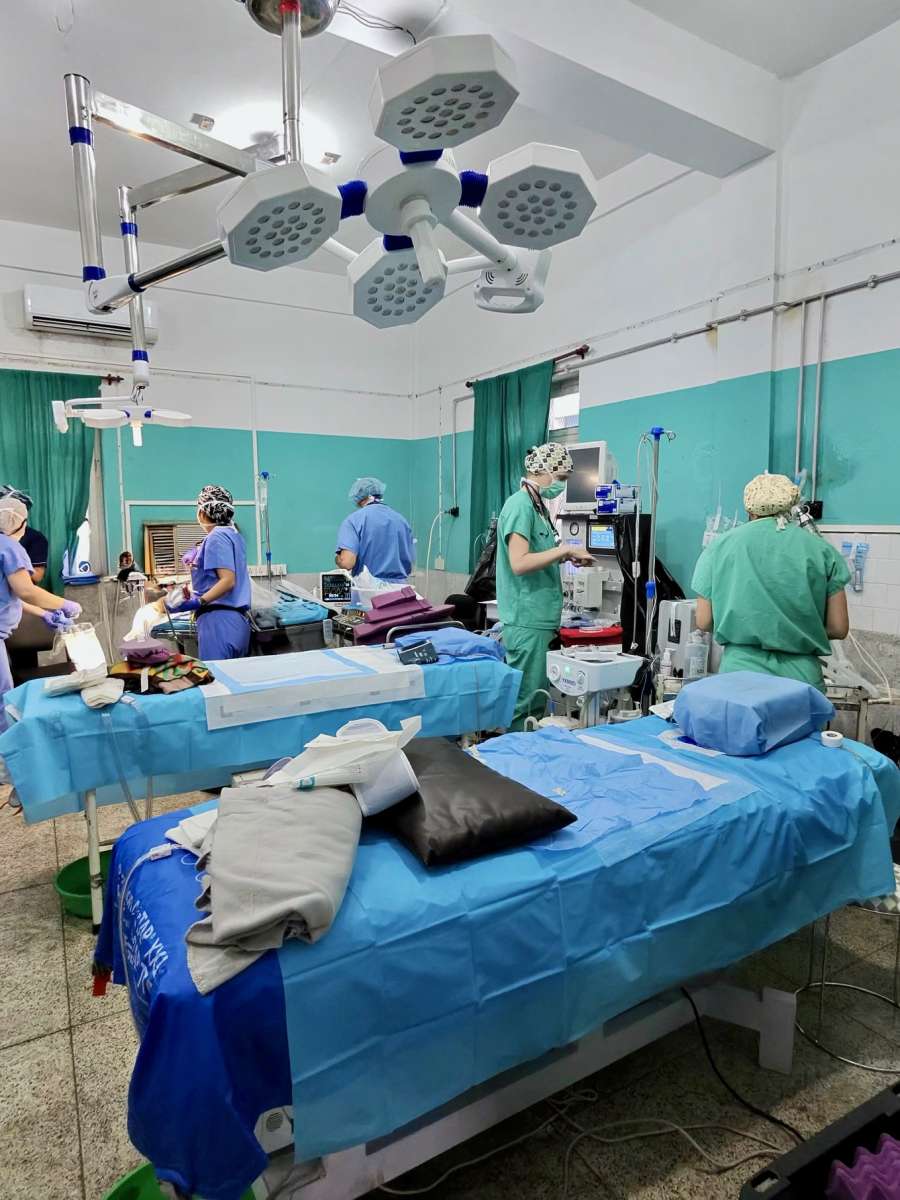
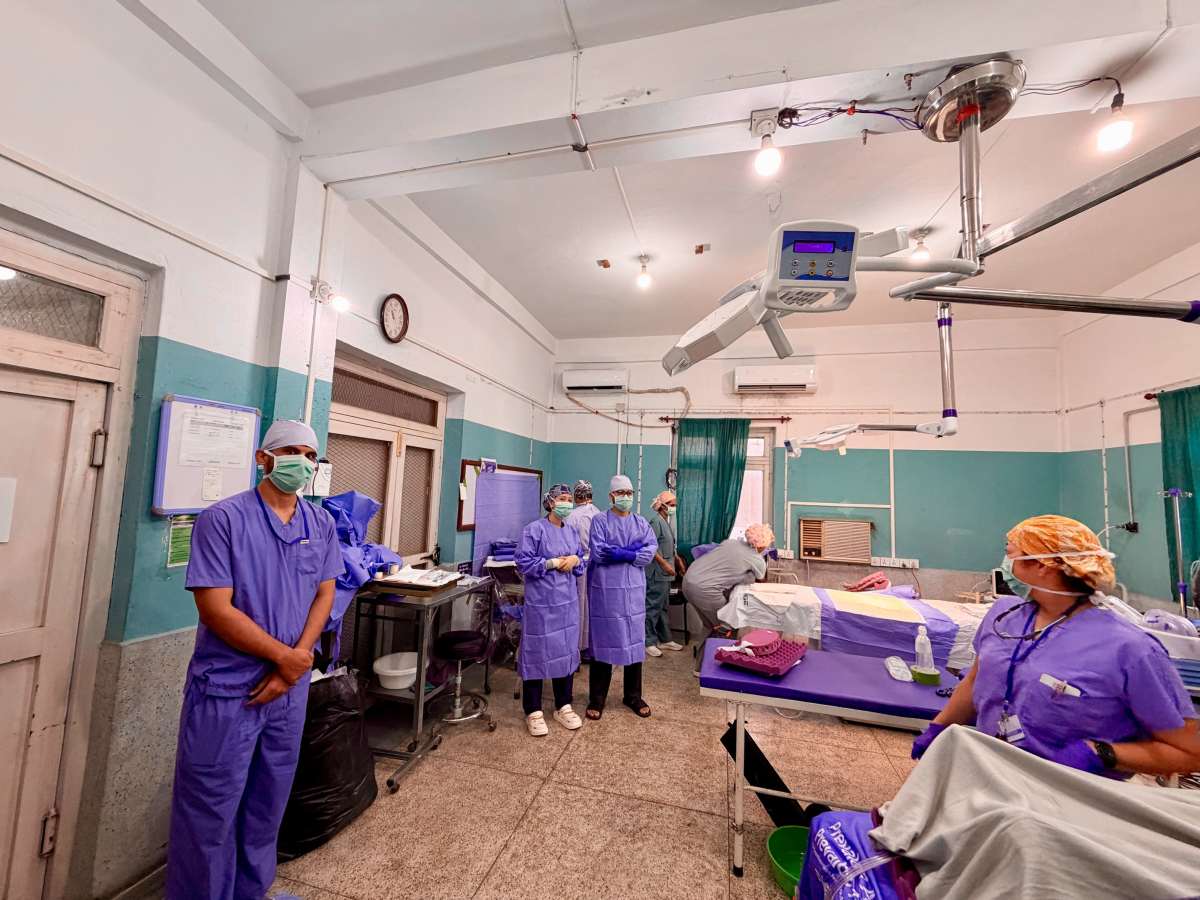
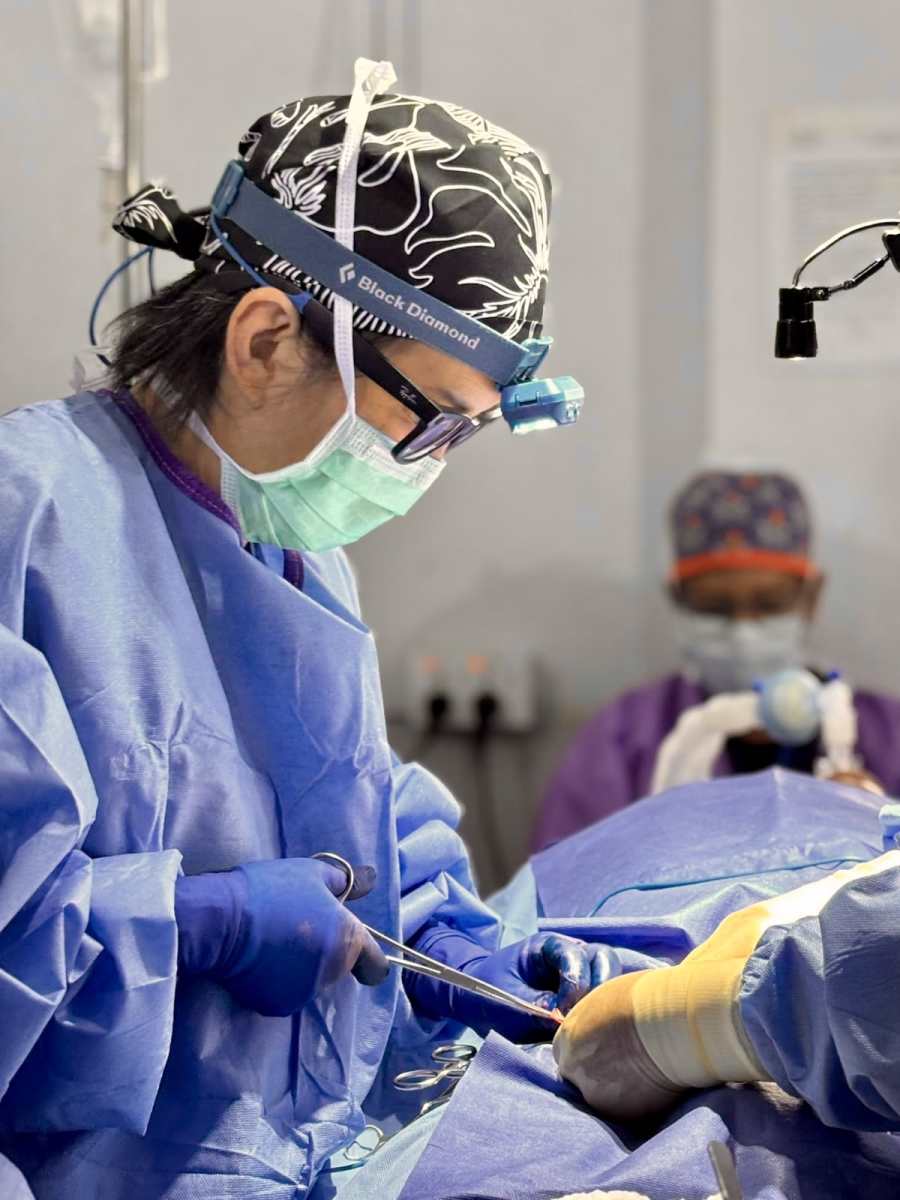
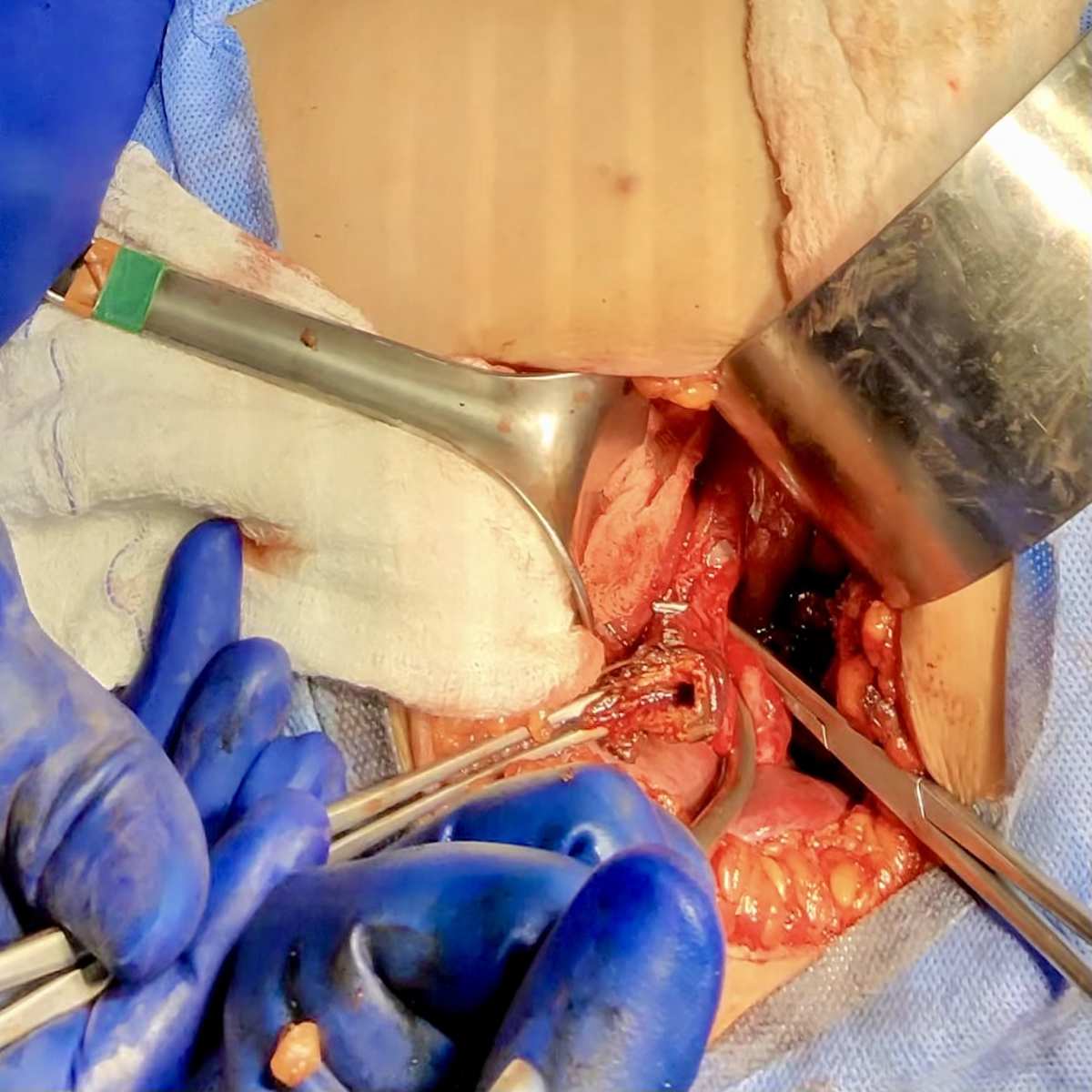
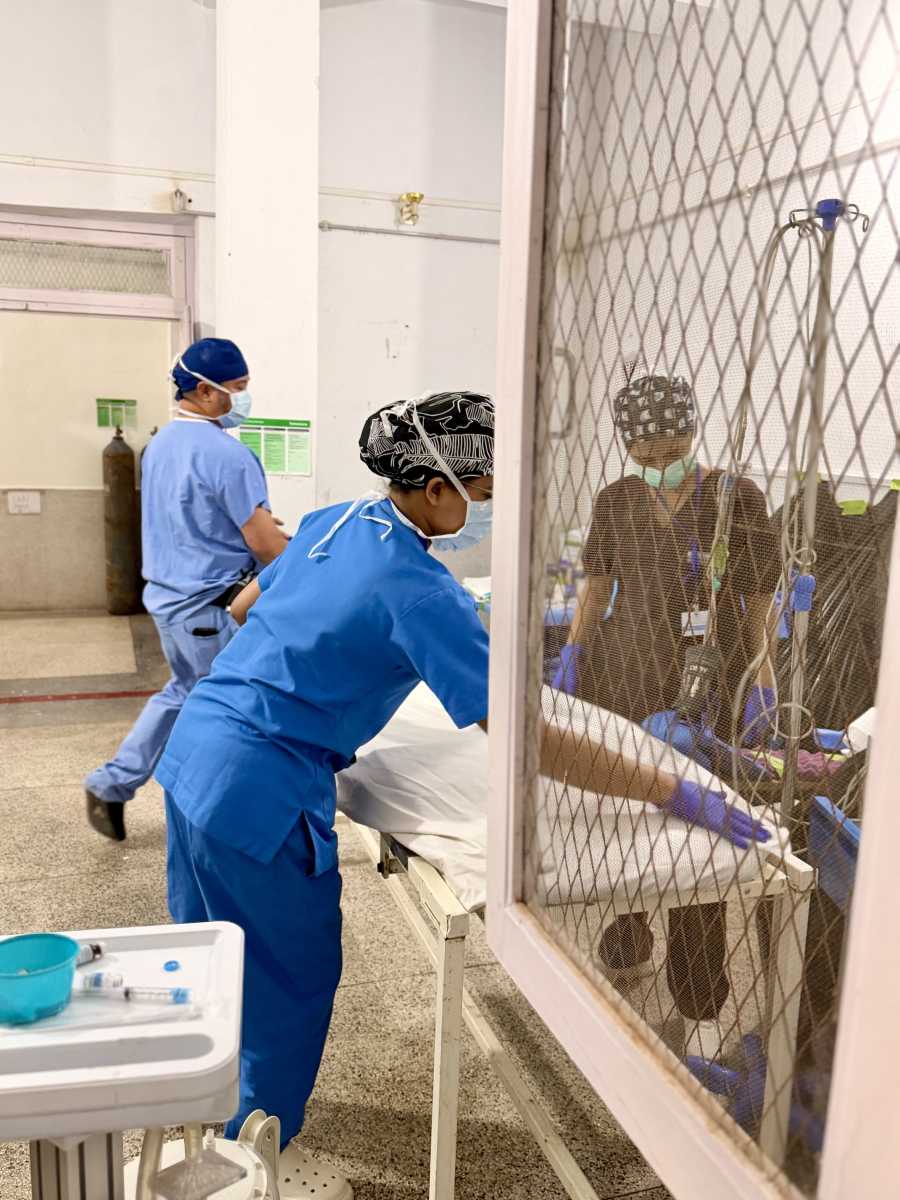
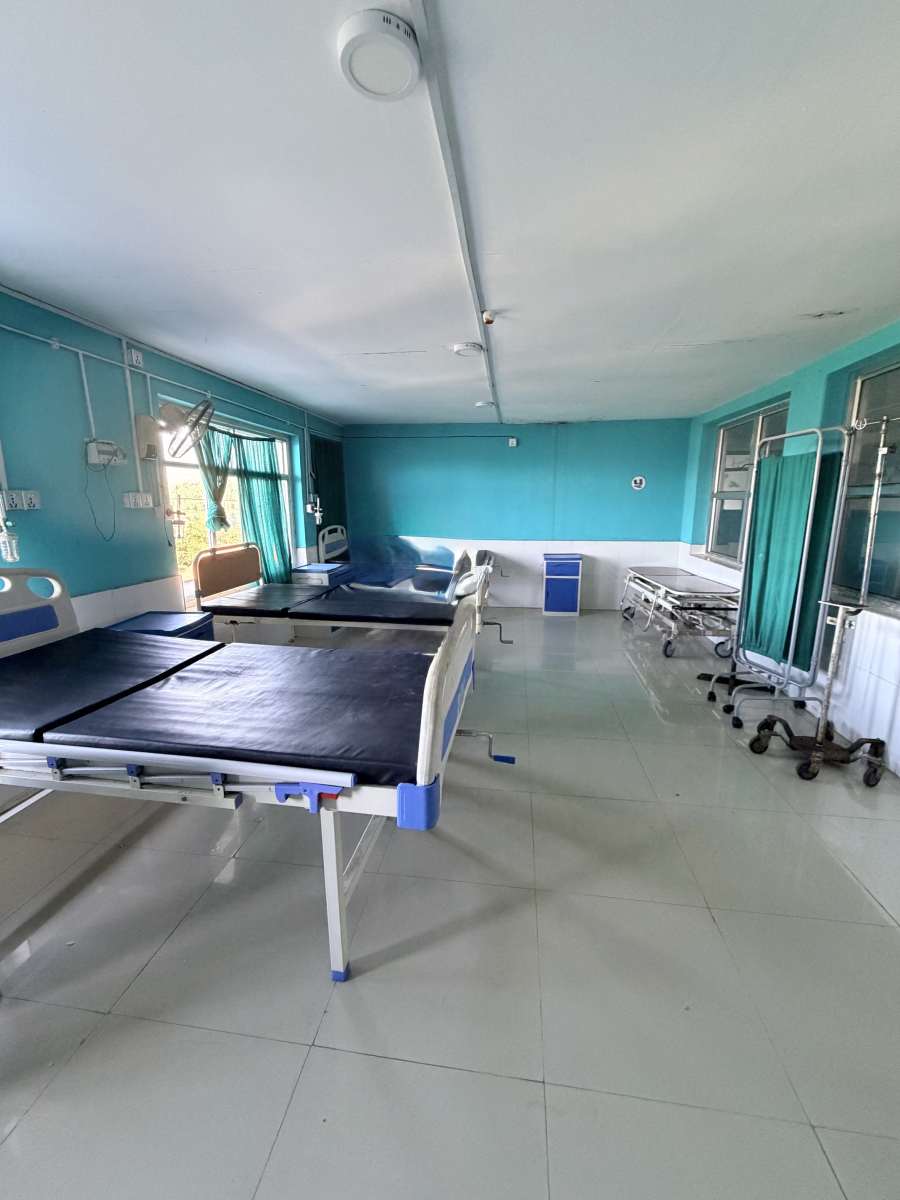
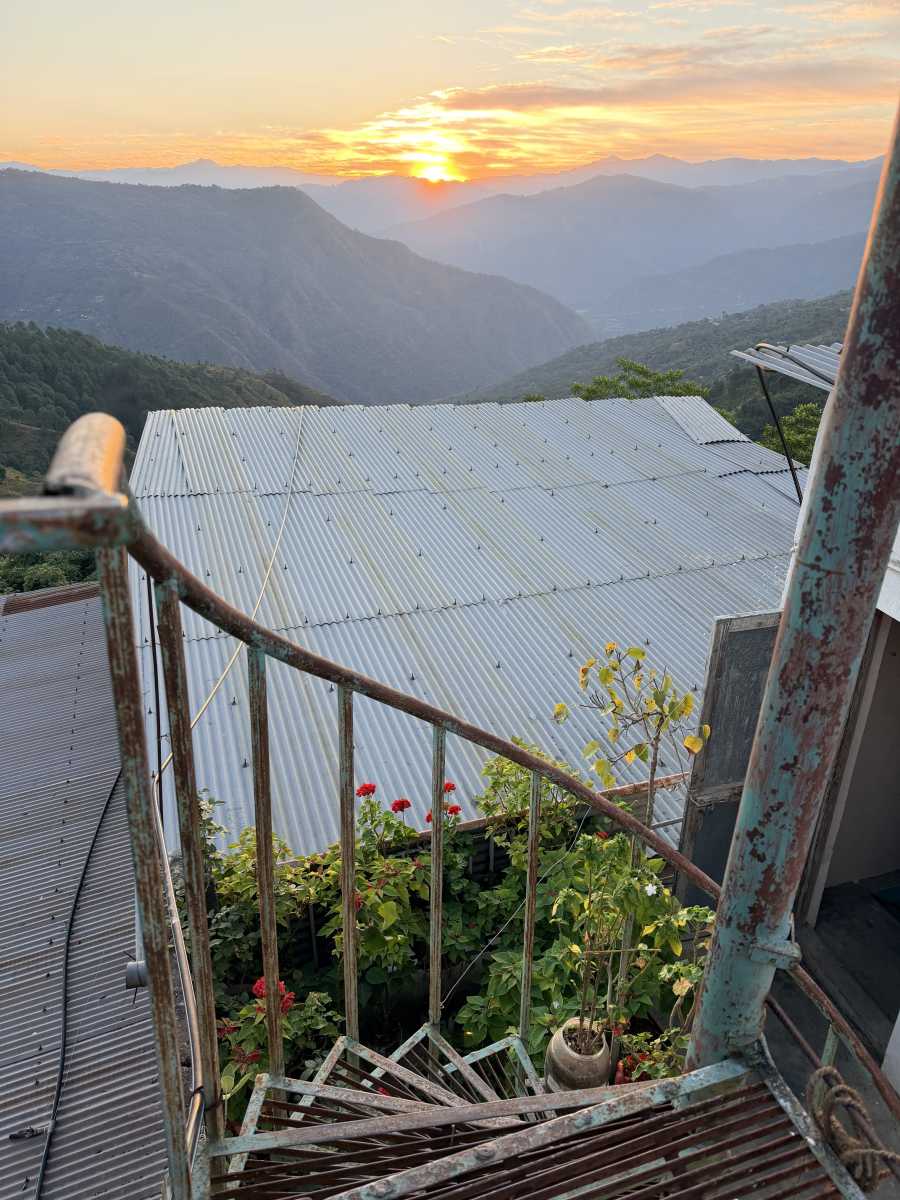
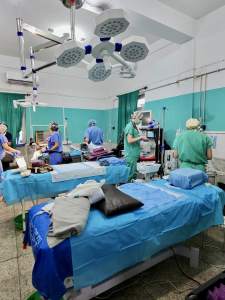
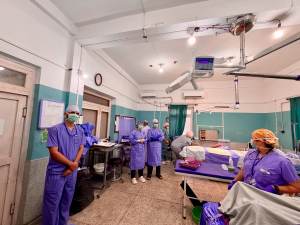
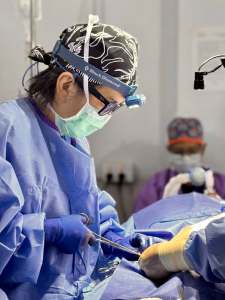
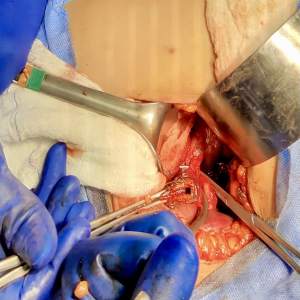
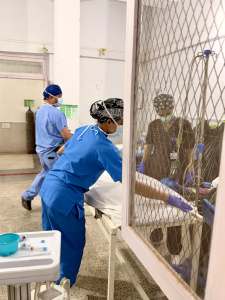

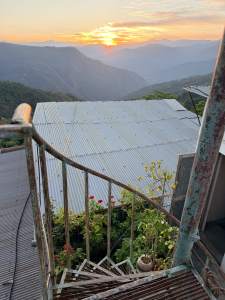
During the surgical mission to Dhankuta, Nepal, I served as a volunteer general surgeon, working alongside Nepali surgeons, doctors, nurses, and volunteers to provide surgical care to patients with limited access to these services.
We treated patients with gallbladder disease, hernias, and other surgical conditions, many of whom had lived with their symptoms for years. Beyond the patients who received surgery, the mission provided opportunities for collaboration and exchanging skills with our Nepali colleagues.
The experience reinforced the value of working with local healthcare professionals and building relationships that extend beyond a single mission. I’m so grateful to the Doximity Foundation for supporting this work.

