
I will be returning to Malindi, Kenya, to participate in an annual two-week surgical training camp led by senior head and neck surgical oncologists from several U.S. academic institutions. Founded by Dr. James Netterville and now continued by his former fellows, the program has two complementary goals: (1) to provide specialized head and neck surgical care to patients in rural Kenya and (2) to strengthen local surgical capacity by training Kenyan otolaryngologists in the management of complex head and neck disease, including oncologic resection and reconstruction.
Chief residents and faculty from the University of Nairobi join practicing otolaryngologists from across Kenya to work alongside the visiting U.S. surgeons in an intensive, hands-on educational environment. The camp is held at Tawfiq Hospital, where three operating rooms run over nine operative days. Together, the team typically performs approximately 60 major operations, including complex tumor resections and free flap reconstructions.
Returning this year as a senior resident, I will take on an expanded leadership role within the resident team. In addition to providing perioperative care, I will help coordinate patient flow, oversee day-to-day resident responsibilities, and facilitate educational opportunities for Kenyan trainees and attending surgeons. My responsibilities will include organizing preoperative evaluations and postoperative management, working closely with local nursing staff to optimize care in a resource-conscious and culturally appropriate manner, supervising junior U.S. residents and medical students, assisting in the operating room where needed, and supporting clinical documentation and ongoing research efforts surrounding the camp. As in previous years, residents will also help perform appropriate minor procedures under local anesthesia, further expanding access to care while providing valuable opportunities for teaching and mentorship.
The primary beneficiaries of this project are patients in Kenya requiring head and neck surgical care for conditions including tumors of the oral cavity, salivary glands, face, and thyroid. Kenya has approximately one otolaryngologist for every 500,000 people, far below the World Health Organization recommendation of at least one surgeon per 100,000 people. This workforce shortage, combined with financial barriers and limited insurance coverage, leaves many patients—particularly those in rural areas—without access to specialized surgical care.
Because of its longstanding presence, this surgical camp is well known to local physicians, who refer patients from throughout the region who would otherwise have limited treatment options. Kenyan otolaryngologists also bring patients with particularly complex disease that may exceed the capabilities of their local hospitals.
Beyond providing direct patient care, the program is designed to build sustainable surgical capacity. There are few surgeons in Kenya with dedicated head and neck oncology expertise, and the camp aims to increase local surgeons' confidence managing complex oncologic cases while inspiring trainees to pursue advanced fellowship training. U.S. and Kenyan surgeons evaluate patients and operate side by side, discussing surgical decision-making throughout each case. By working in a community hospital with resources representative of those available across Kenya, the techniques taught are readily applicable after the visiting team departs.
Education extends beyond the operating room through morning chalk talks, point-of-care ultrasound training, procedure-specific surgical video modules, and a virtual multidisciplinary tumor board following the camp to review pathology and discuss ongoing management. These longitudinal educational efforts strengthen partnerships between U.S. and Kenyan surgeons while supporting continued learning throughout the year.
We anticipate performing more than 60 major operations over nine operative days, in addition to numerous smaller procedures. For many patients, these operations represent the only realistic opportunity to receive definitive surgical treatment for complex head and neck disease.
The program's greatest long-term impact, however, lies in its emphasis on sustainable capacity building. Rather than functioning as a short-term surgical mission, the camp focuses on equipping Kenyan surgeons with the skills, confidence, and professional relationships necessary to independently care for increasingly complex patients. Shared operative experience, ongoing mentorship, and continued collaboration throughout the year help create lasting improvements that extend well beyond the two-week camp.
Returning as a senior resident will also allow me to further develop the leadership, teaching, and organizational skills required to sustain programs like this while mentoring more junior trainees. These experiences directly support my long-term goal of a career in head and neck surgical oncology that incorporates global surgery, education, and capacity building. I hope to combine my formal training in international health policy with practical experience gained through this established partnership to develop similarly sustainable educational collaborations in other resource-limited settings.
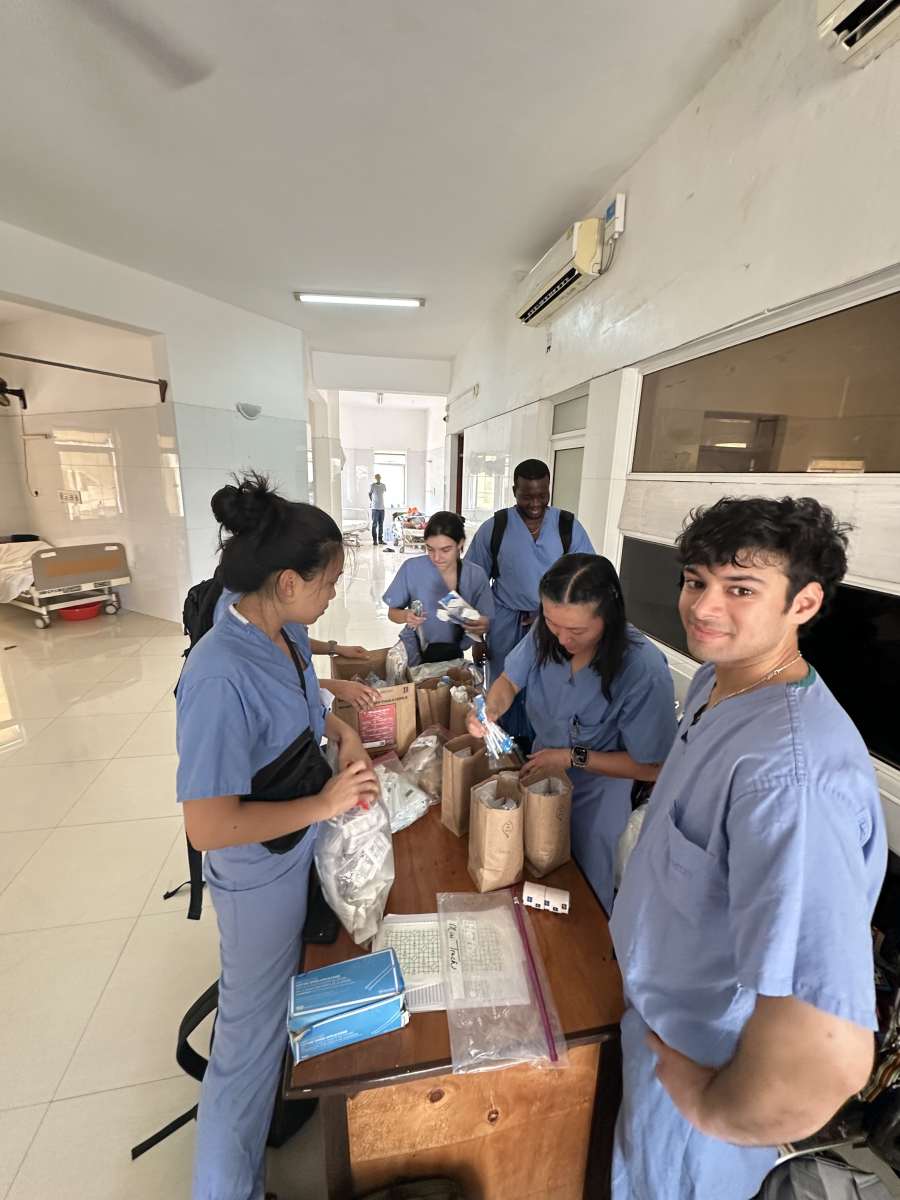
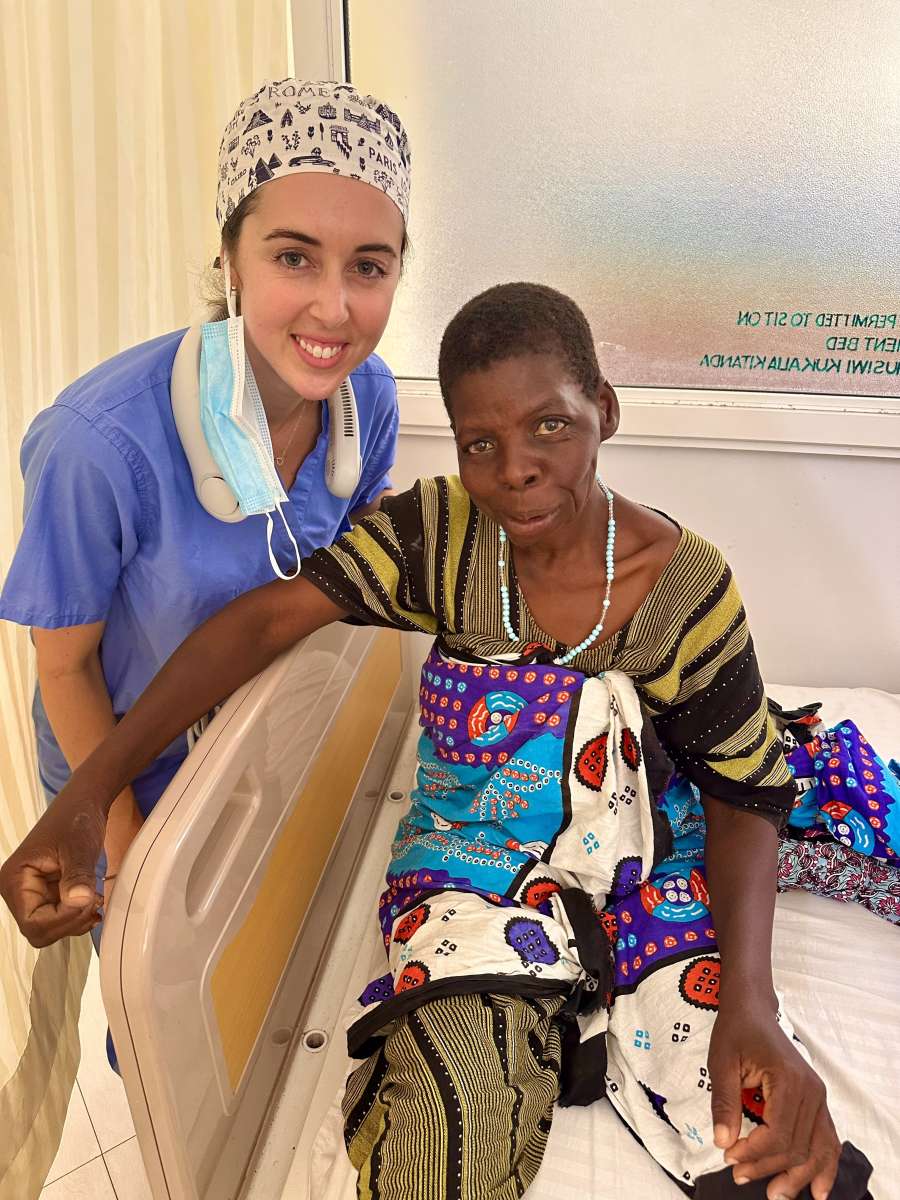
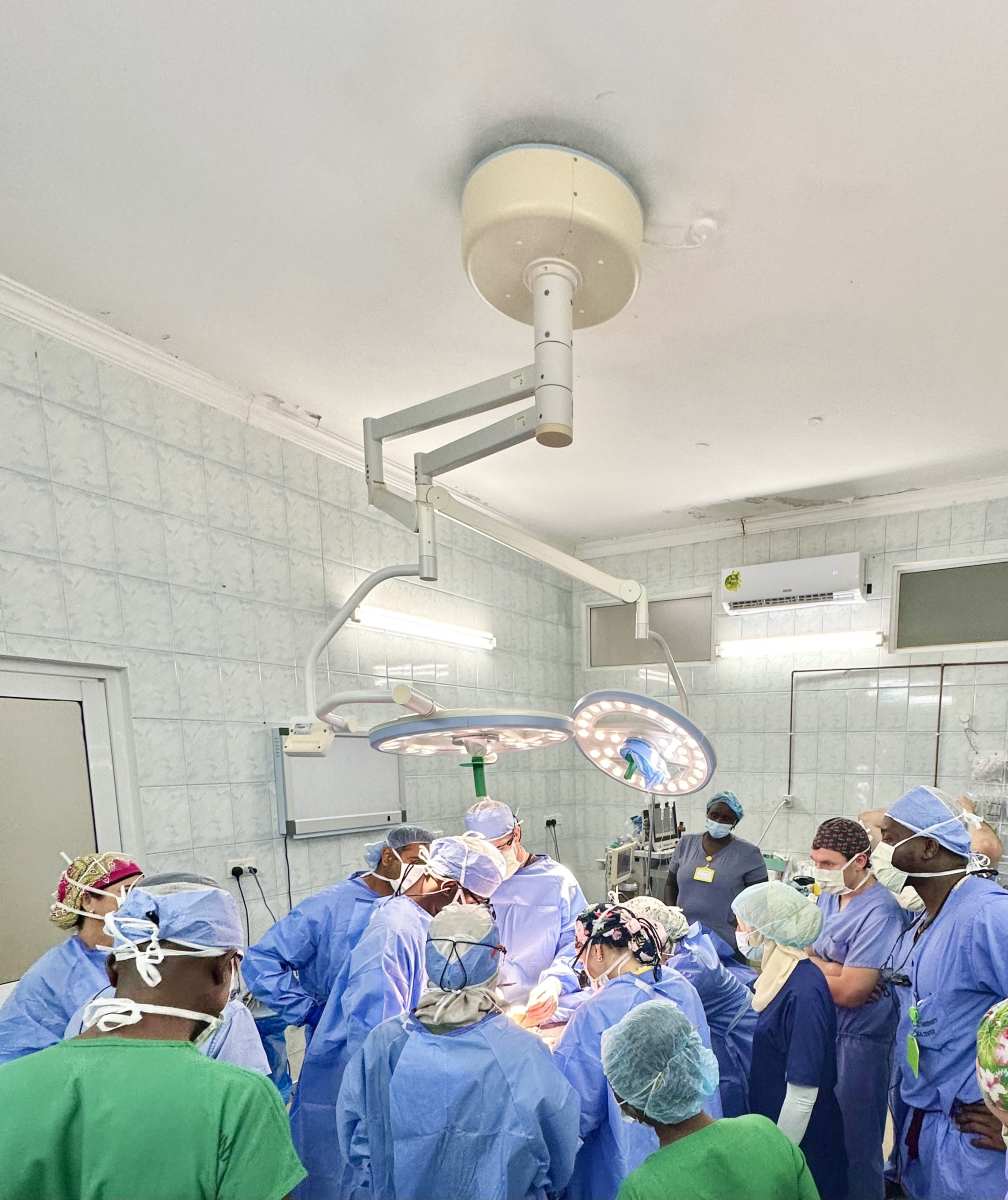
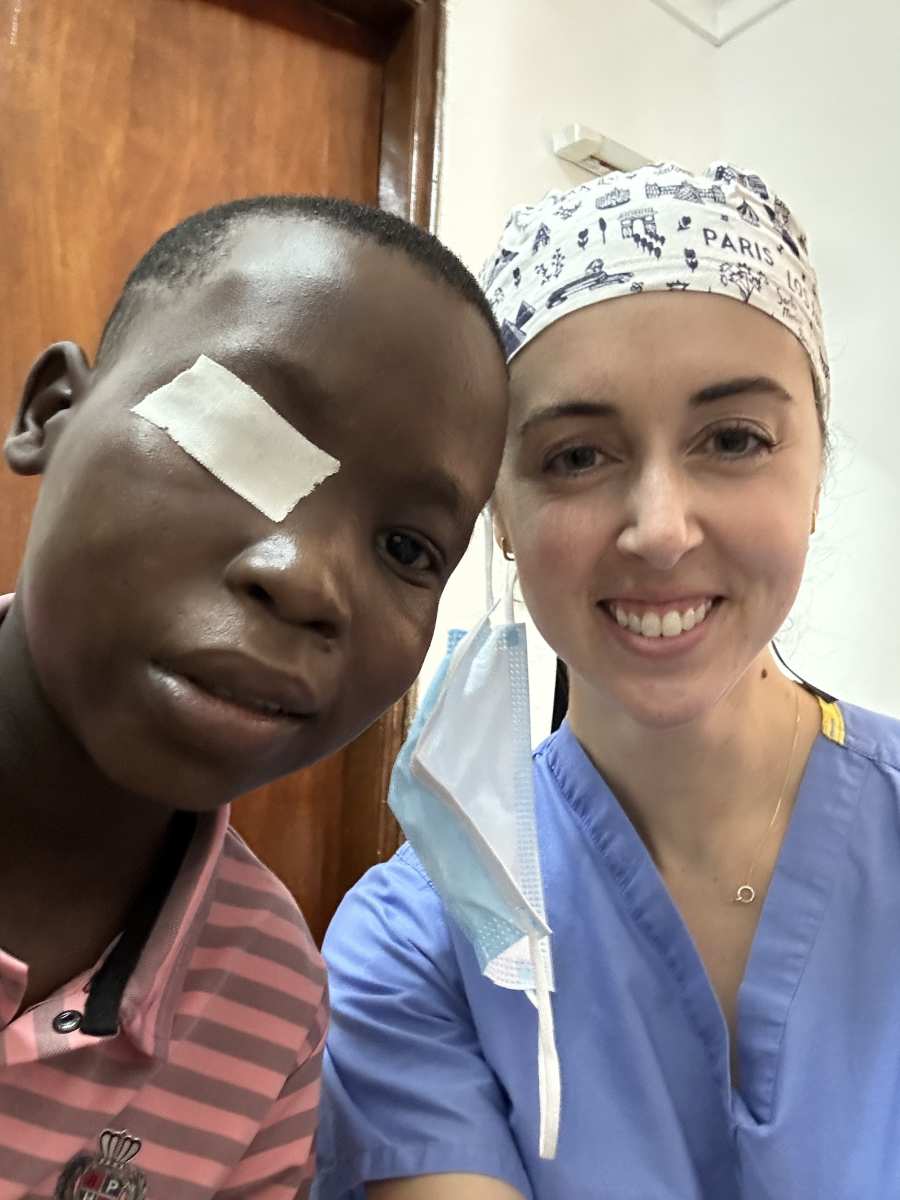


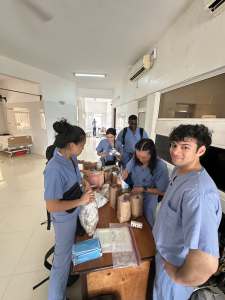
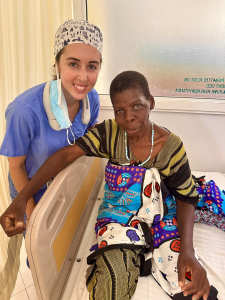
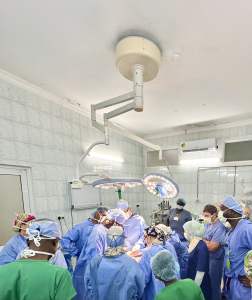
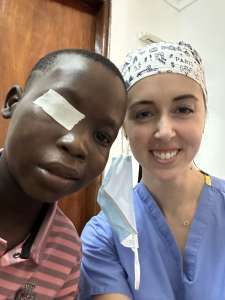
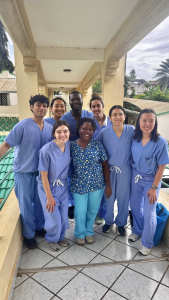
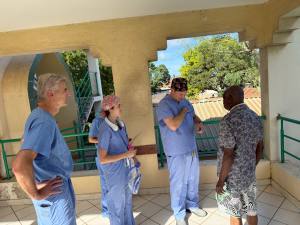
We saw over 220 patients in our 'screening' clinic who came from both the town of Malindi and as far away as the northwest part of the country. Our team performed 52 operative cases during 9 operative days including 6 tumor resections requiring free flap reconstruction (mandibular ameloblastoma, oral cavity cancer, etc.) and 5 total laryngectomies. We also performed 30 small procedures under local anesthesia to remove lipomas and epidermal inclusion cysts and to perform excisional biopsies.

