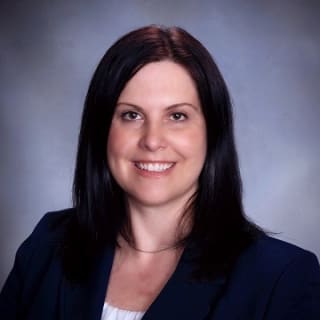
From October 1–13, I will participate in a global surgery partnership in Mampong, Ghana, through the International Surgical Health Initiative (ISHI), a nonprofit organization with a longstanding collaboration with Tetteh Quarshie Memorial Hospital. As a general surgery resident, I will work alongside Ghanaian surgeons and the multidisciplinary ISHI team to provide surgical care while participating in a collaborative model that emphasizes education, knowledge exchange, and sustainable capacity building.
Under the supervision of Dr. Ziad Sifri, President and Co-Founder of ISHI and Director of the Office of Global Health and Center for Global Surgery at Rutgers New Jersey Medical School, I will contribute to both clinical care and surgical education. The experience is built on collaboration, mutual learning, and the shared goal of strengthening local surgical capacity through recurring engagement rather than short-term volunteerism.
ISHI's model is founded on long-term collaboration with its partner hospitals, with regular returns to support patient care, professional education, and the ongoing development of local surgical services. This experience will provide firsthand exposure to the role that sustained international partnerships can play in expanding access to safe surgical care while shaping my development as an academic surgeon committed to clinical excellence, education, and service.
This project will serve patients and healthcare professionals in Mampong and the surrounding region of Ghana. Patients will benefit from expanded access to surgical care provided through collaboration between Ghanaian clinicians and the multidisciplinary ISHI team. At the same time, physicians, trainees, nurses, and other healthcare professionals will participate in educational activities that promote knowledge exchange, skill development, and collaborative learning.
Through its longstanding partnership with Tetteh Quarshie Memorial Hospital, ISHI integrates patient care with education to strengthen local surgical capacity and support the continued development of surgical services. By building on established relationships with local clinicians, each visit contributes to sustained improvements in patient care while fostering shared learning between the visiting and host teams.
During the trip, I hope to contribute to collaborative patient care while learning from experienced surgeons working in a different healthcare environment. Equally important, I hope to participate in ISHI's educational and collaborative activities, which are central to its partnership model. By supporting ongoing knowledge exchange within an established international collaboration, the program's impact extends beyond the patients treated during those two weeks.
This experience will also shape my future career. As I pursue academic surgery, I hope to integrate global surgery into my professional life through sustained international partnerships, surgical education, and research that improves access to safe surgical care. Participating in ISHI's longstanding collaborative model will provide a foundation for continued engagement in global surgery and reinforce the importance of education, partnership, and shared learning in improving surgical care worldwide.
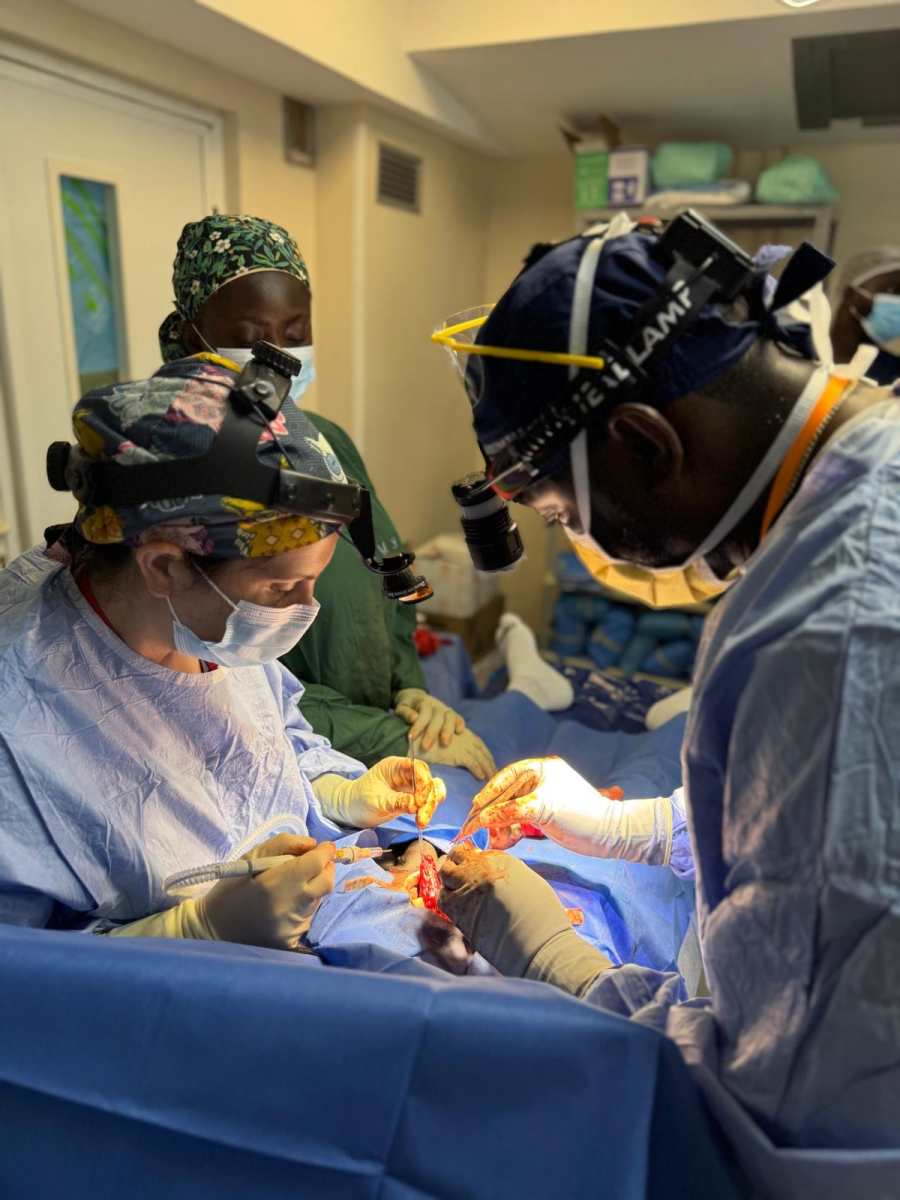
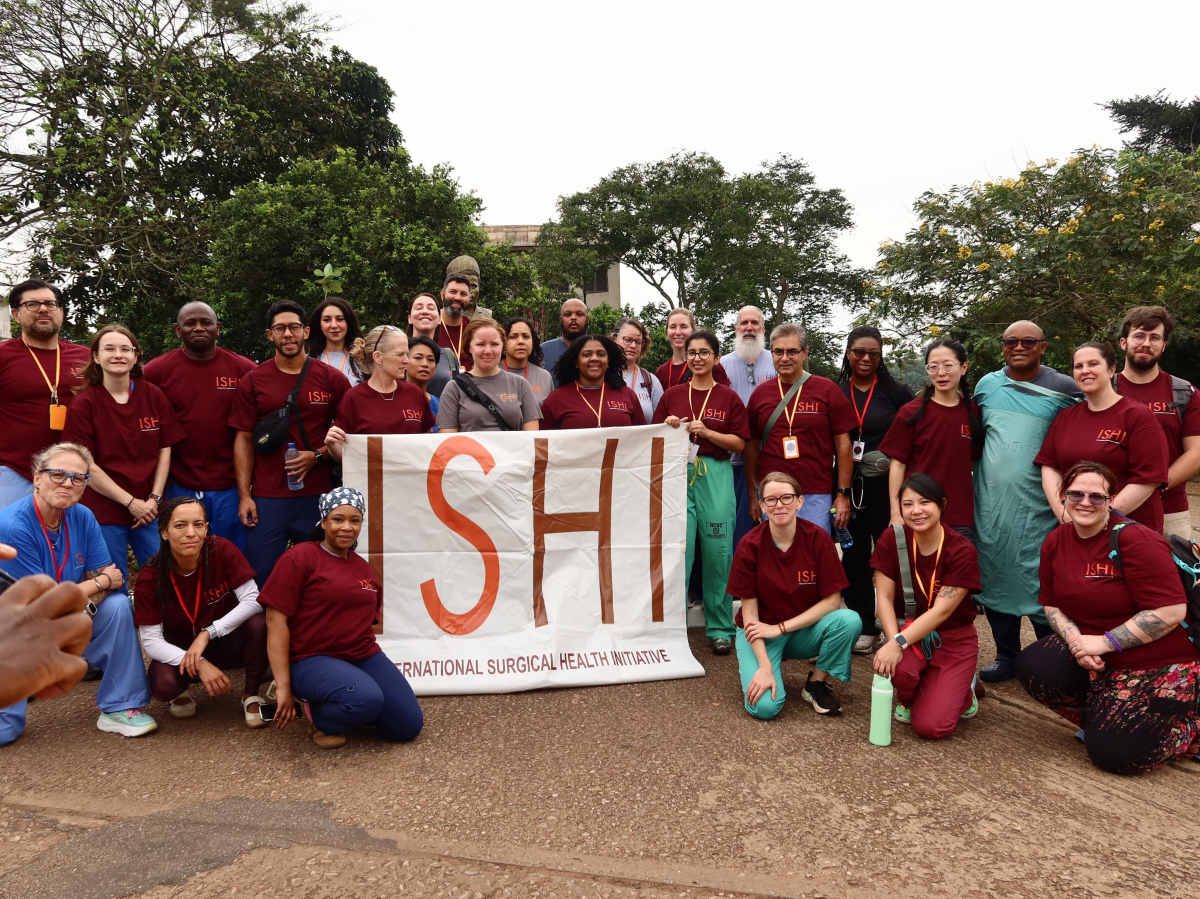
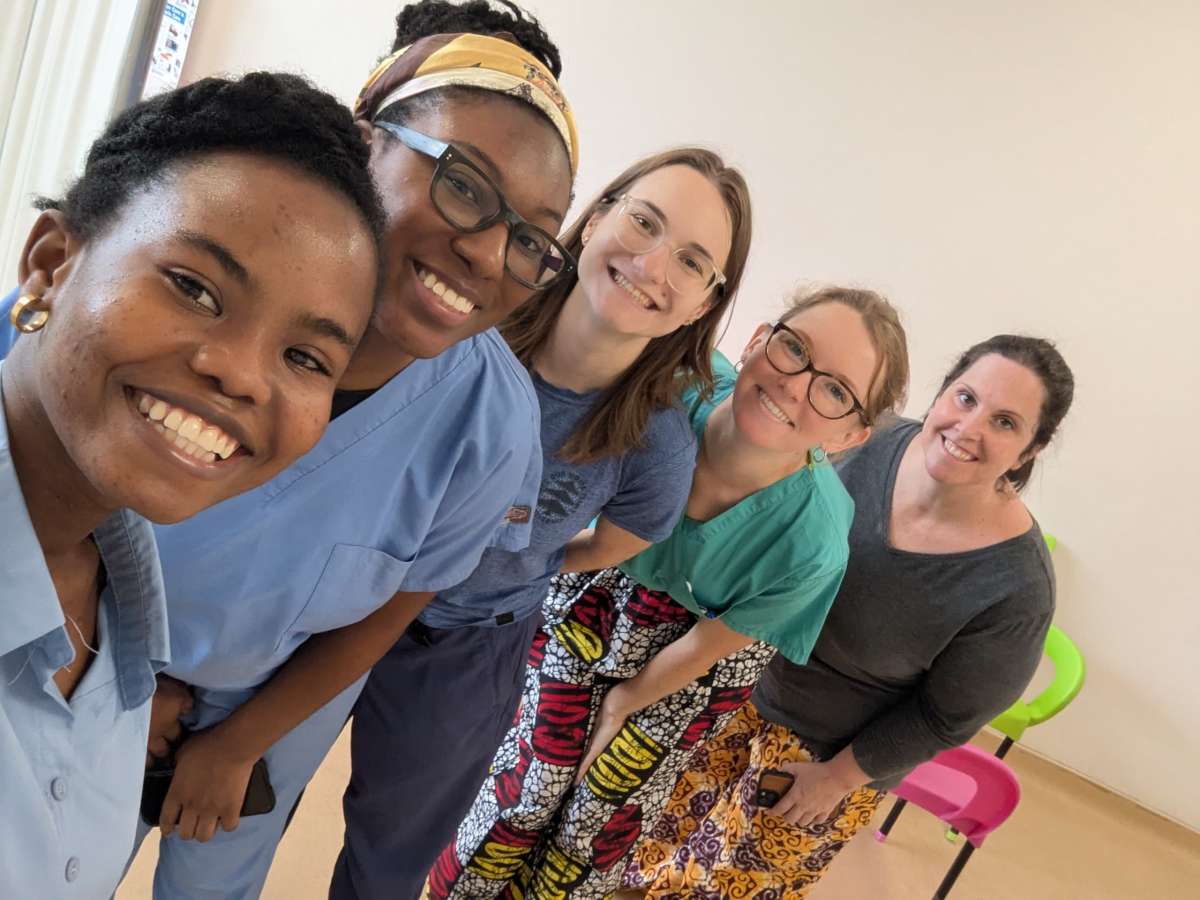

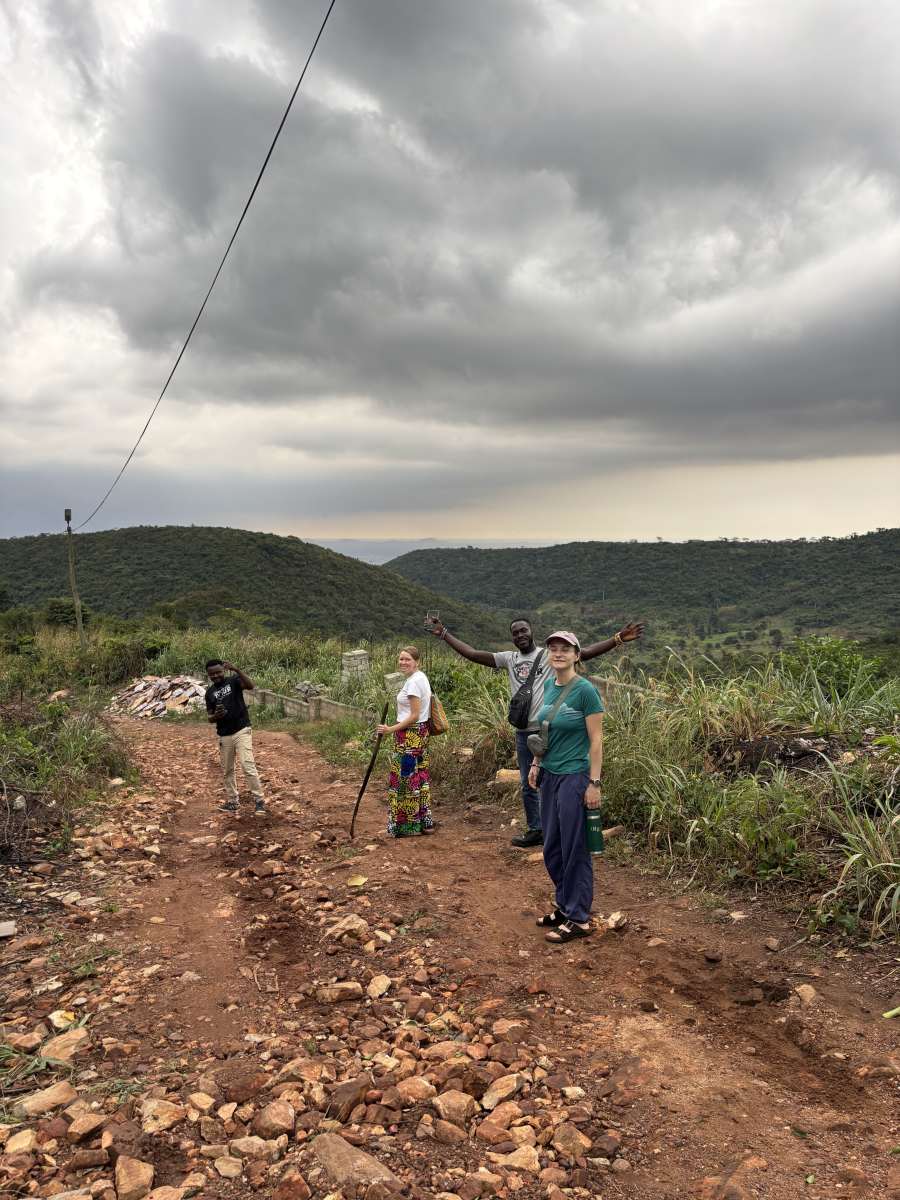
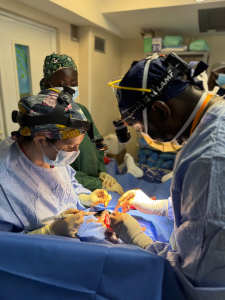

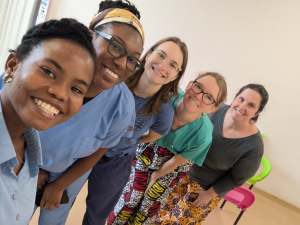

In October, I traveled to Mampong, Ghana, for a two-week surgical mission with the International Surgical Health Initiative (ISHI). At Tetteh Quarshie Memorial Hospital, ISHI’s longstanding partnership allowed our visiting team to work alongside local physicians, residents, and hospital staff. Together, we operated on 101 patients.
The surgical team included general surgery, urology, and OB/GYN, allowing us to care for patients with a range of surgical needs. Across these specialties, we worked alongside Ghanaian physicians and medical staff whose clinical experience offered perspectives different from our own. Adapting to a new environment required listening, learning how care was delivered there, and working with the available supplies and instruments. As we worked through cases, there were opportunities both to share what we knew and to learn from our colleagues.
After working with patients in the operating room, we had the opportunity to sit with them again at their postoperative clinic visits, see how they were recovering, and hear from them directly. During one encounter, a patient handed me his phone so that his wife could thank me, too. I still think about that gesture and how fortunate I was to have played a part in her husband’s care.
I came home with a sense of fulfillment that has stayed with me. During those two weeks, I felt the direct impact of my work and found tremendous joy in being part of the team. I am grateful to have shared in the care of these patients. The experience strengthened my commitment to making surgical partnerships like this a continuing part of my career.

