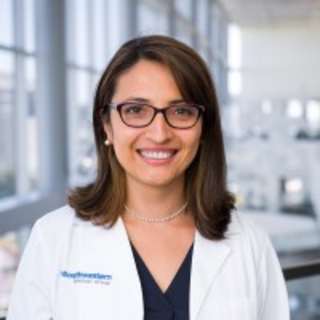
In October 2026 I will join VOOM Foundation's two-week pediatric open-heart mission at Lagos, Nigeria, as the cardiac anesthesiologist on a multidisciplinary team of surgeons, perfusionists, intensivists, and nurses.
My role runs the length of each child's course. I assess candidates preoperatively for anesthetic risk, induce and manage children who are often cyanotic, small for age, and malnourished, run the case through cardiopulmonary bypass with the perfusion team, and manage the transition to the ICU. Much of the judgment is about constraint: which drugs are actually on the shelf, which monitoring is available, and whether a given child can be safely extubated early, which matters enormously when ventilators and ICU beds are the scarcest resources in the hospital.
The direct beneficiaries are children with congenital heart disease in Lagos, Nigeria, and their families. Congenital heart disease occurs at roughly the same rate everywhere in the world, in about 1 in 100 live births. With a population near 230 million and only a handful of centers performing pediatric cardiac surgery, the gap between children who need repair and children who receive it is measured in tens of thousands each year. VOOM's own figures put a Nigerian heart patient's chance of receiving a cardiac procedure at a fraction of one percent.
Cost compounds scarcity. Many of the families we serve live on less than $300 a year, and in Nigeria a patient who cannot settle a hospital bill may not be discharged. A diagnosis that is a scheduling problem in the United States is, for these families, a financial and often fatal one.
I am drawn to this population because the intervention is so decisively curative. This is not palliation or management. A septal defect closed at age six is closed for life, and the child goes back to school, grows normally, and works. Few things in medicine convert a few hours of operating time into a full life expectancy so cleanly, and almost nothing else in global health does it for children who would otherwise simply be counted as infant mortality.
For the children who reach the operating room, the expected outcome is not simply improvement but, in many cases, cure and a normal life expectancy. I want to be straightforward about my role in that. I am not going to Nigeria to run a training program. I am going because a pediatric cardiac mission cannot proceed without a cardiac anesthesiologist, and that role is difficult to fill. Every case requires someone to manage the airway, cardiopulmonary bypass, separation from bypass, hemodynamic instability, and the transition of a small, critically ill child to the intensive care unit. Without that expertise, the surgeons cannot operate.
The lasting impact of this experience will be both clinical and personal. Working with a limited formulary, reduced monitoring, unfamiliar equipment, and little backup will force me to return to first principles and become more deliberate about what is truly essential. I expect that to make me a better anesthesiologist at Children’s Medical Center Dallas and UT Southwestern. I will also work directly beside the local anesthesia team throughout the mission, where shared management of real cases creates meaningful opportunities for teaching and exchange. Most importantly, I intend to return and to recruit additional anesthesia and intensive care colleagues, because repeat volunteers are what make these programs stable and sustainable.
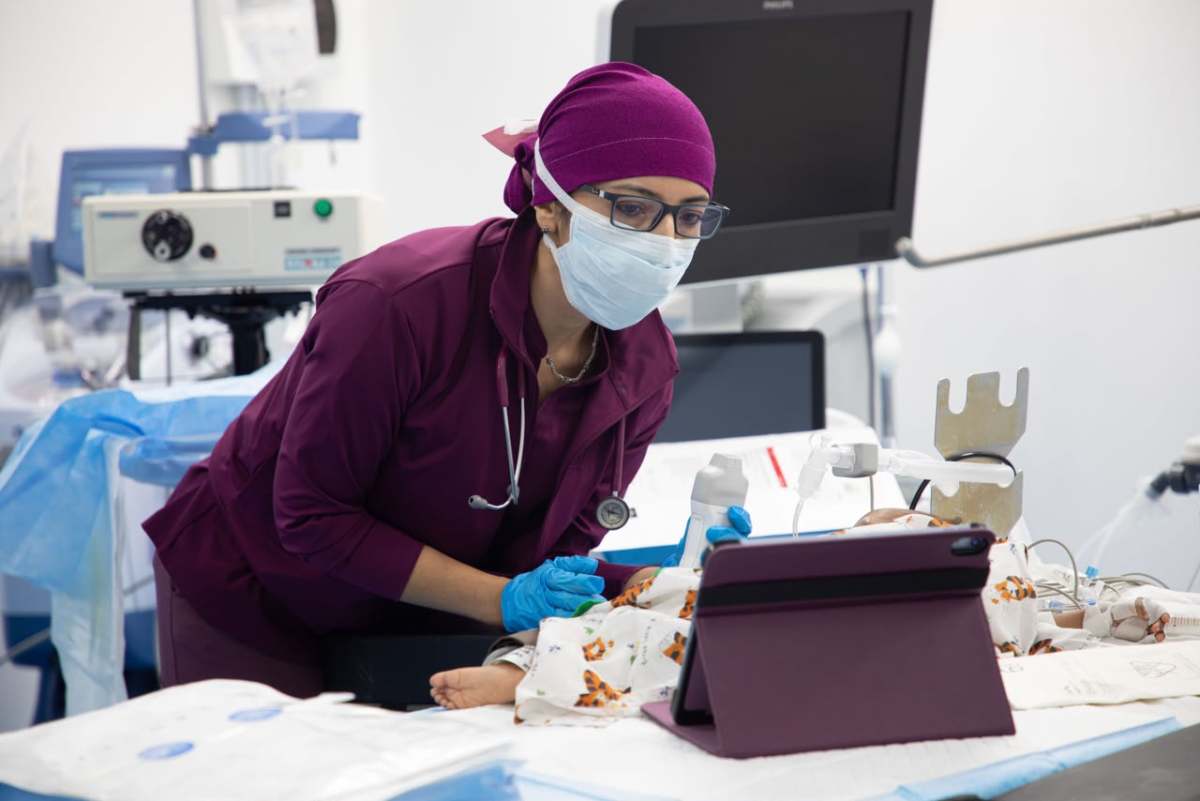
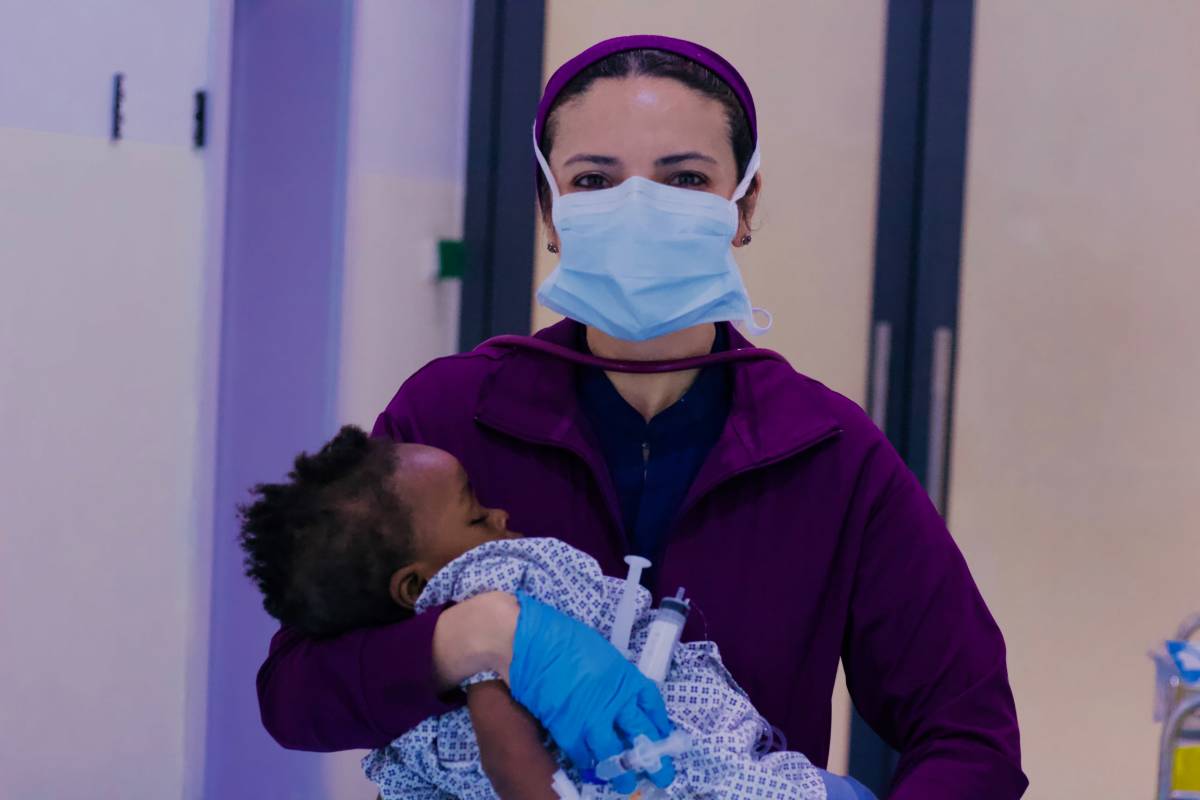
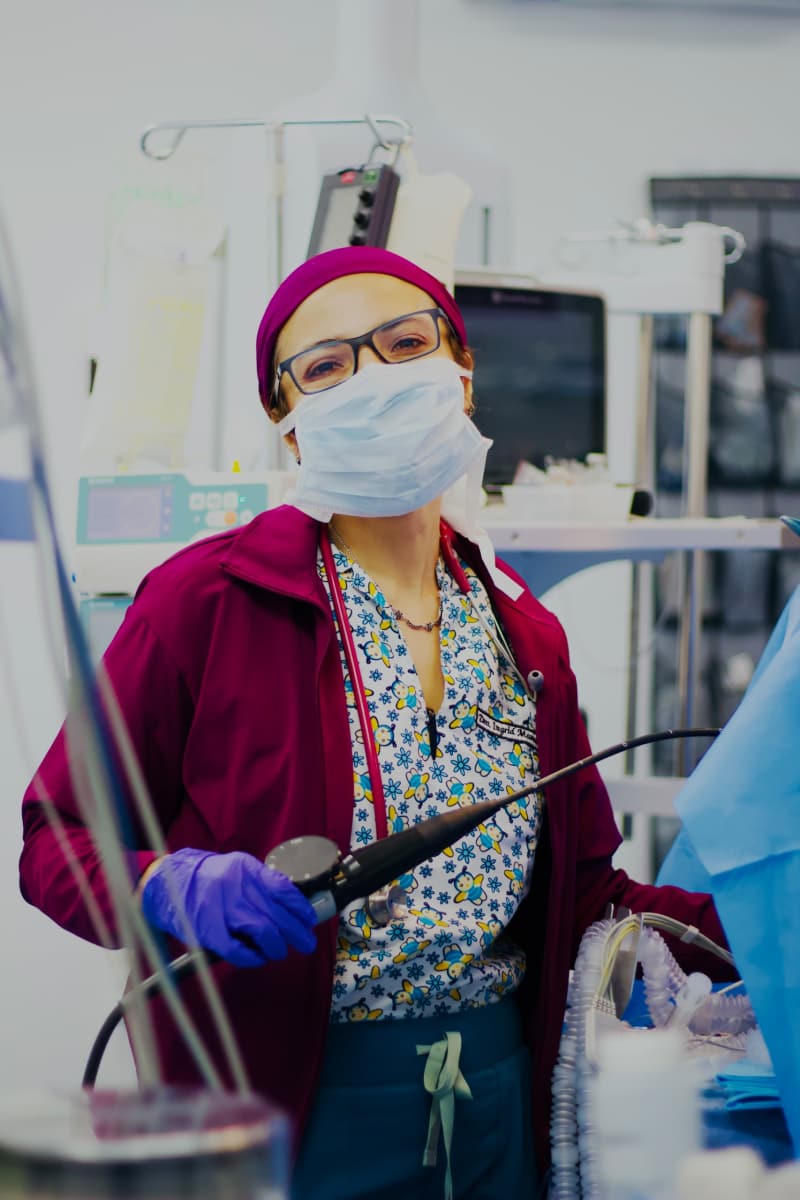
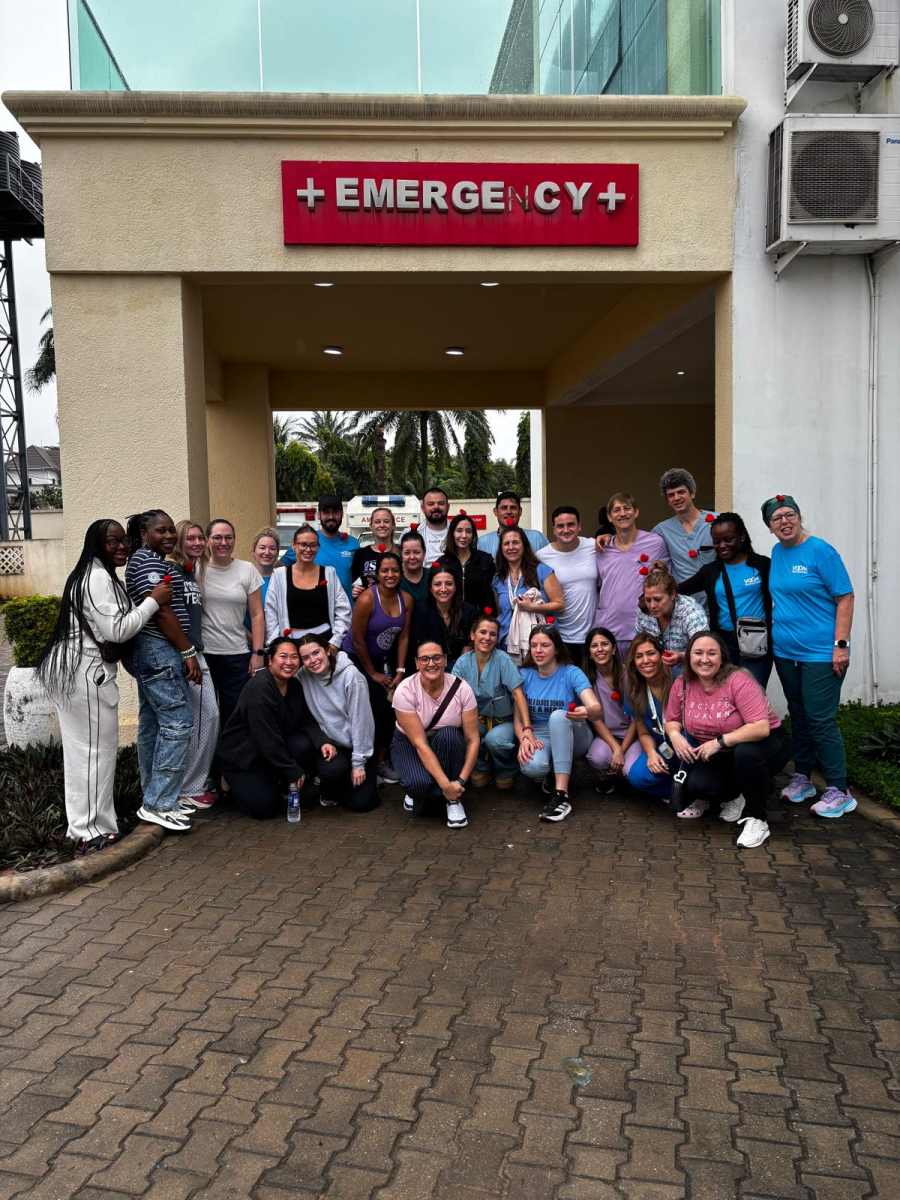
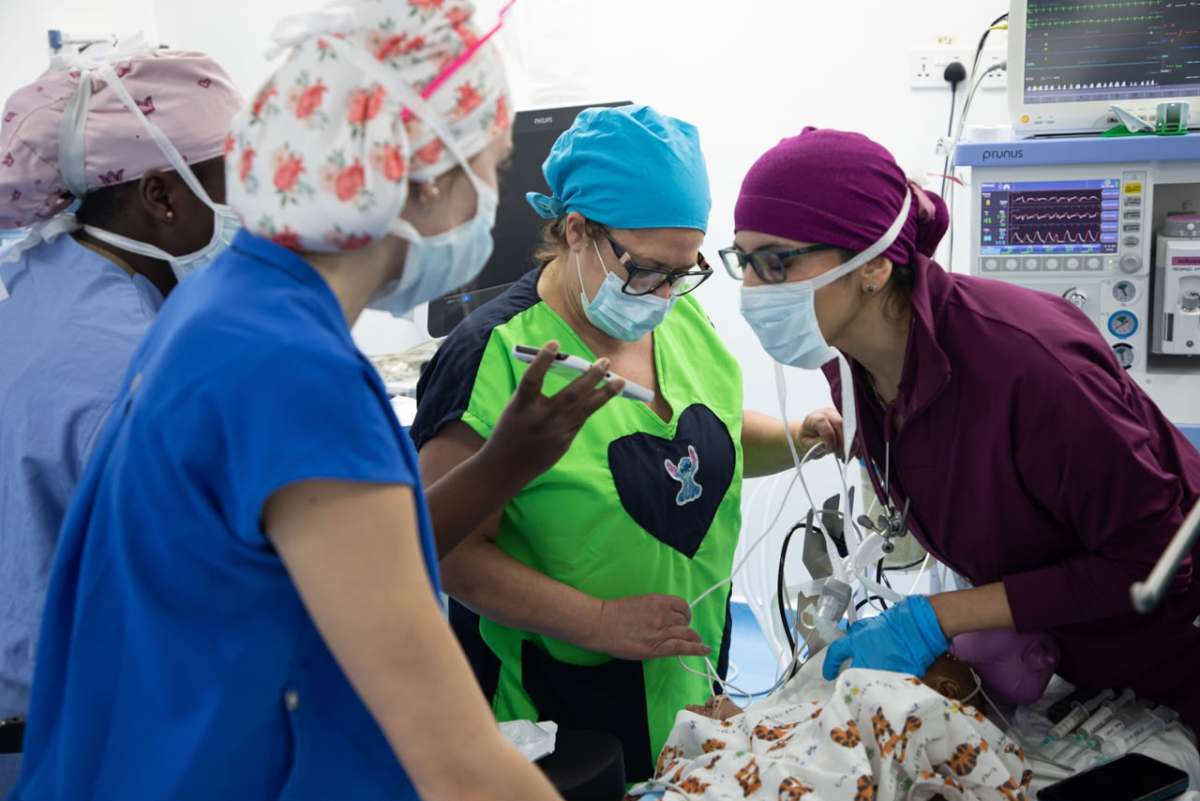
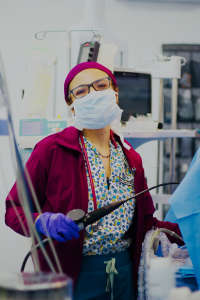
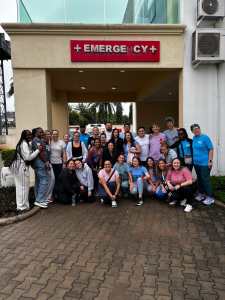
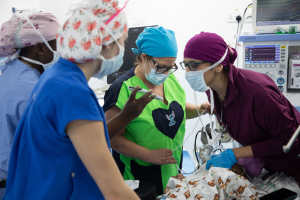
When I was a little girl growing up in Colombia, I remember telling my mom that I wanted to become a doctor after watching a presentation about Doctors Without Borders working in Africa. Many years later, I had the opportunity to travel to Nigeria with the VOOM Foundation for a congenital cardiac surgery mission.
As a pediatric cardiac anesthesiologist, I am used to caring for children with complex heart conditions, but practicing in a resource-limited setting was an entirely different experience. Over two weeks, our international team worked alongside dedicated Nigerian healthcare professionals to provide cardiac surgical care to children who often had very limited access to treatment.
It was an incredibly challenging and rewarding experience. We had to adapt to unfamiliar equipment, limited resources, and complex clinical situations, constantly relying on teamwork, creativity, and clinical judgment. There were wonderful victories and heartbreaking losses, but every day we worked together to give these children the best possible chance.
Beyond medicine, one of the most meaningful parts of this experience was the people. I met extraordinary Nigerian healthcare professionals whose dedication to their patients was truly inspiring, and I developed friendships with colleagues from around the world who quickly became like family.
I returned home with a renewed appreciation for the resources available to us, a greater understanding of the challenges of delivering congenital cardiac care in resource-limited settings, and tremendous respect for everyone working to make this care accessible.
I am grateful to the Dox Foundation for supporting this opportunity and to the VOOM Foundation for allowing me to be part of such a dedicated team.
This experience challenged me, taught me, and reminded me why I chose medicine in the first place. I am proud of what we accomplished together and grateful for the opportunity to give more children a chance. ❤️

