Uganda continues to face a severe shortage of trained anesthesia providers, educators, and the infrastructure needed to deliver safe perioperative and critical care.
Last year, with support from the Foundation, I traveled to Kabale University School of Medicine and Kabale Regional Referral Hospital to begin working with the anesthesia department as a physician educator. That visit allowed me to understand local needs, build trust with faculty and trainees, and establish a durable partnership.
Since then, my role has expanded. I now serve as the Health Volunteers Overseas site director for the Kabale anesthesia program, coordinating visiting and remote educators and aligning HVO support with priorities identified by local leaders.
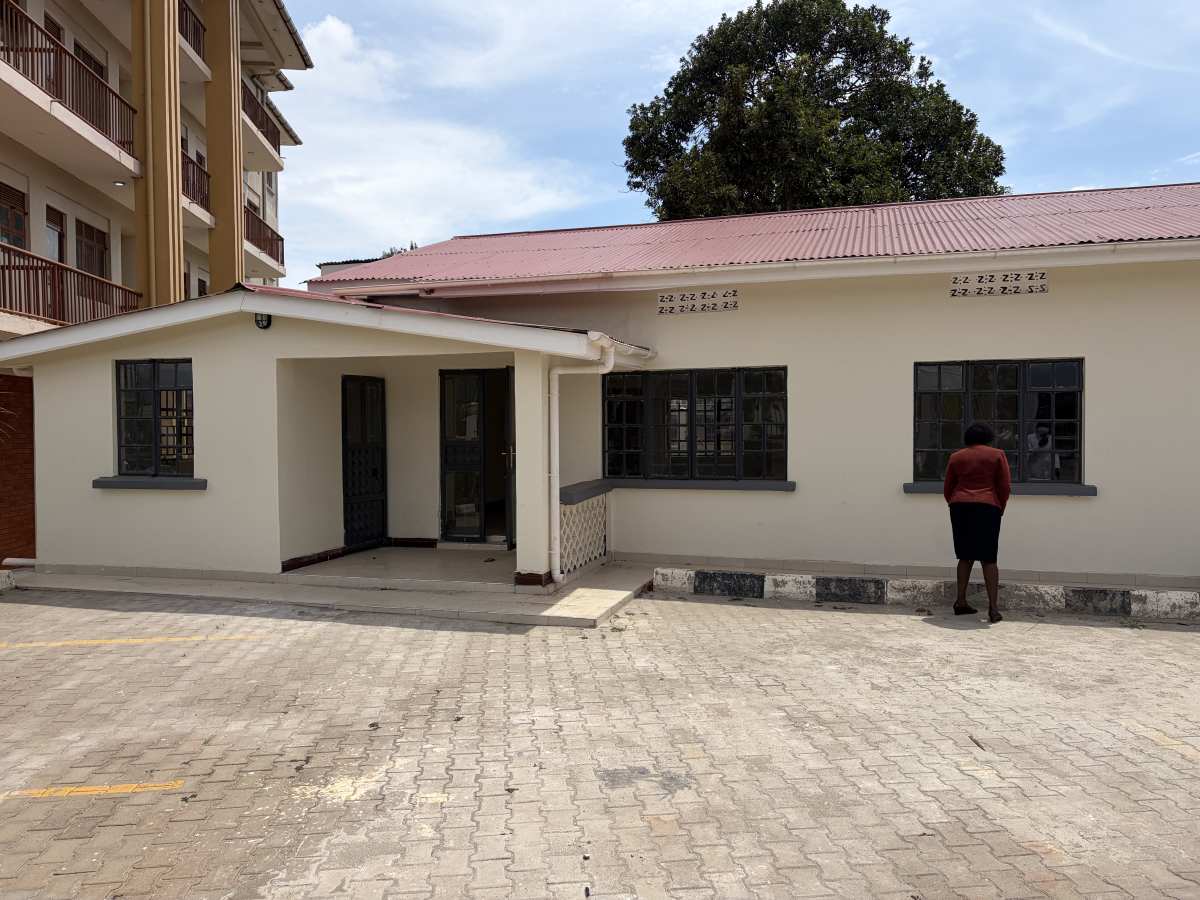
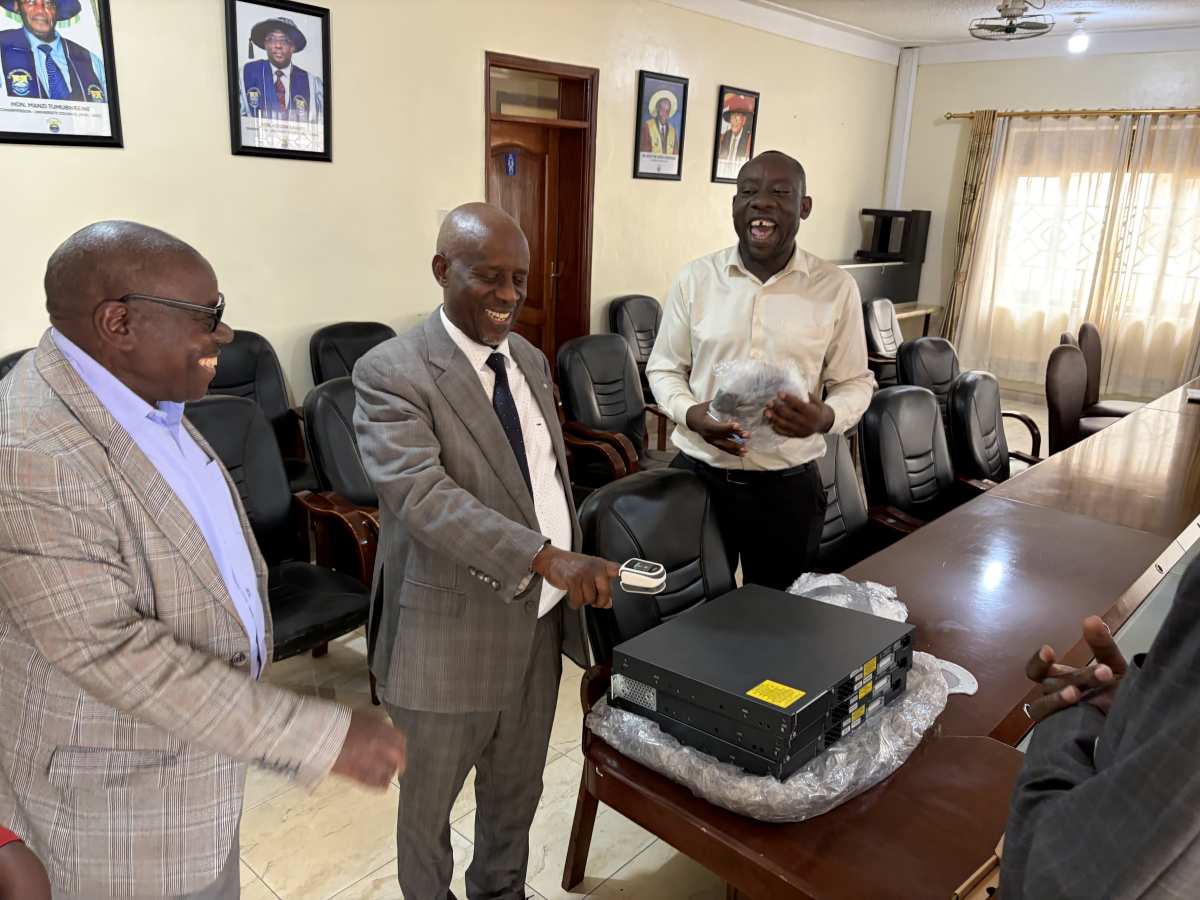
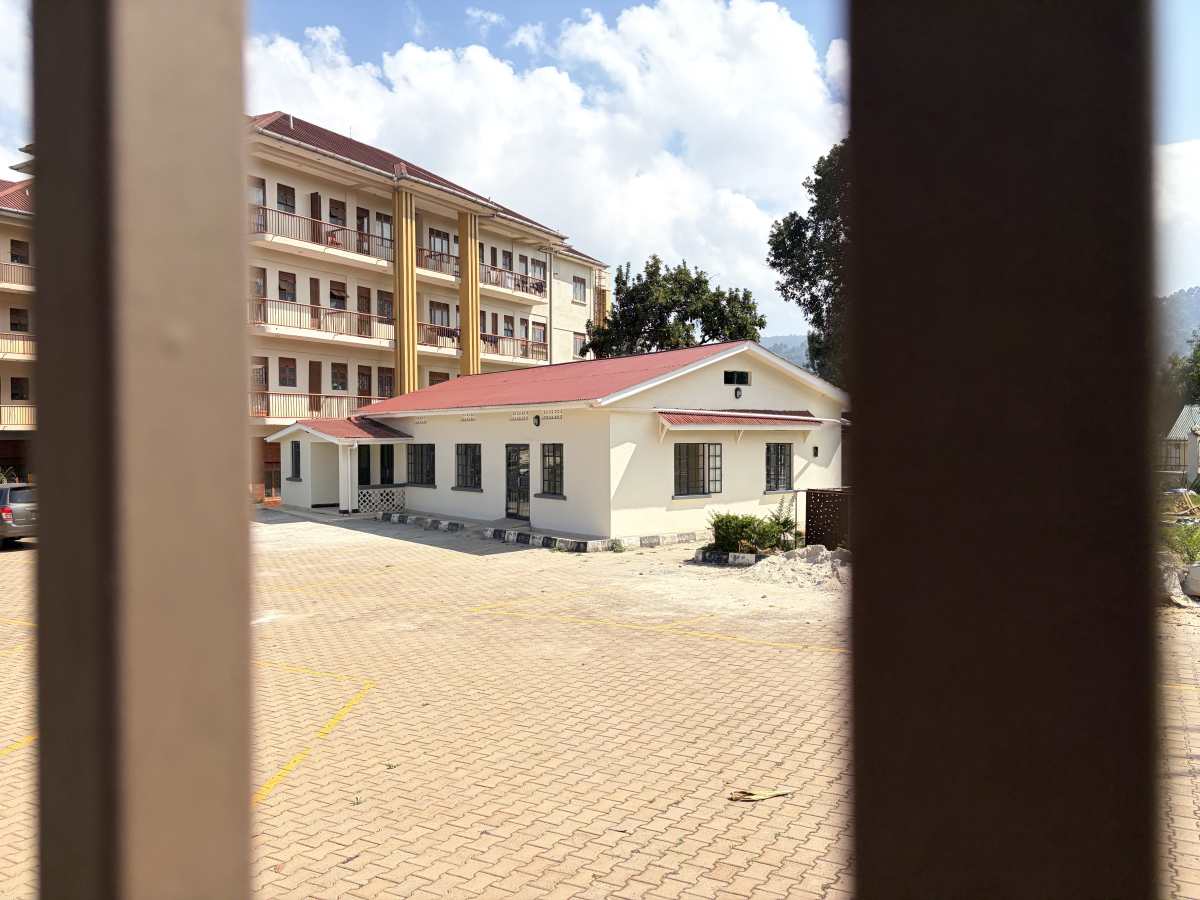
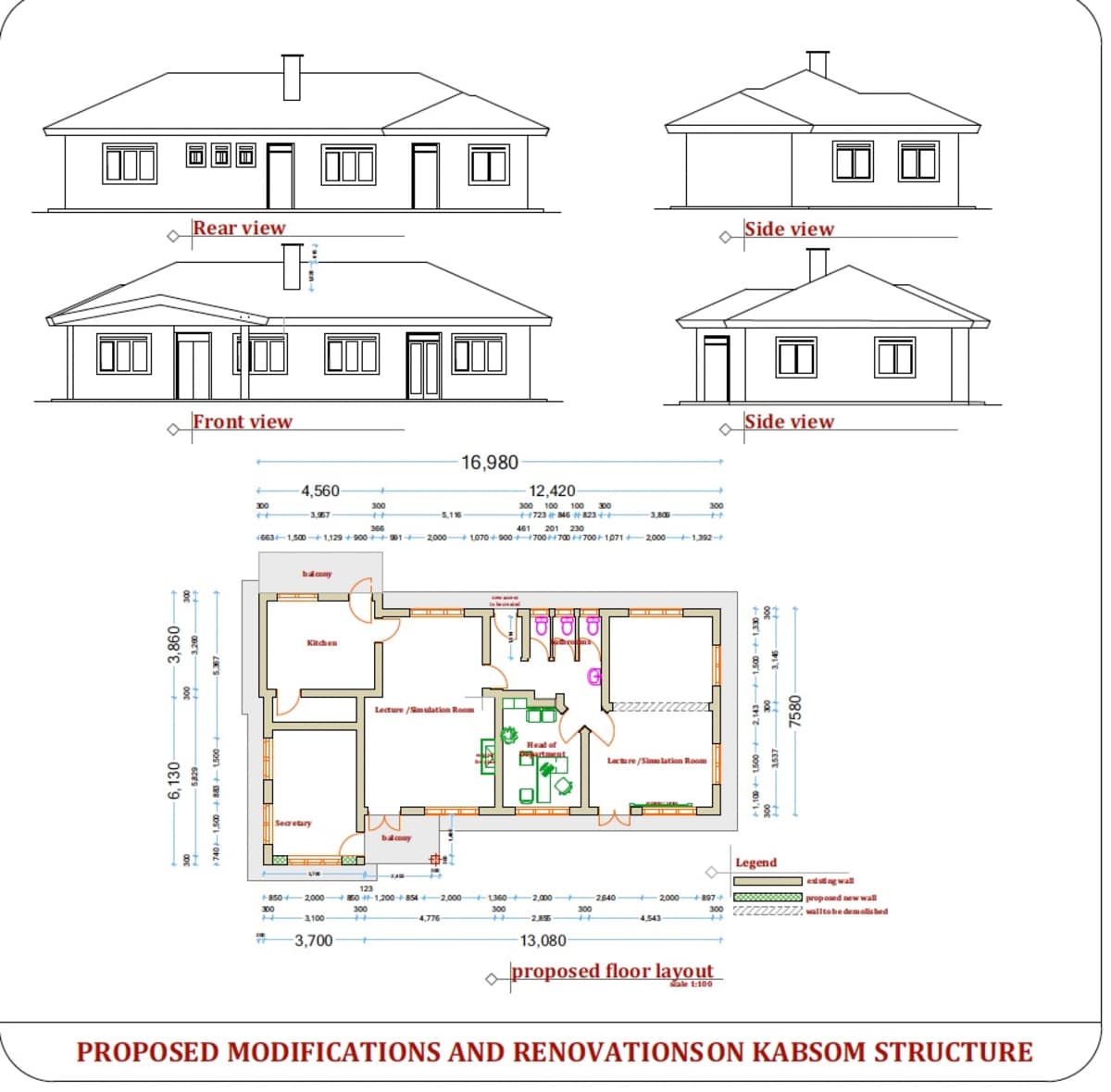
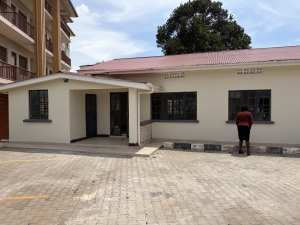
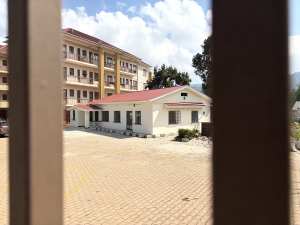
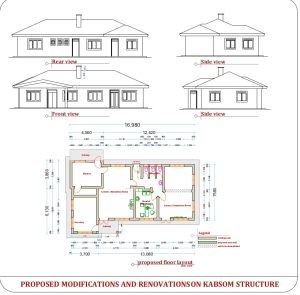
I am seeking support to return to Kabale for the next phase of this work. During the trip, I will help formally open a building that our partners raised funds to renovate for the anesthesia department, including delivery of state-of-the-art wifi equipment. It will provide dedicated lecture and simulation space, addressing a major barrier I observed during my first visit, when teaching often occurred in borrowed rooms, tents, or outdoors.
I will also provide direct teaching and faculty development, participate in high-level meetings concerning national standardization of anesthesia curricula, and evaluate a potential new HVO anesthesia education site. This trip will move the partnership from assessment and relationship-building toward sustainable infrastructure, national collaboration, and thoughtful expansion.
The immediate beneficiaries will be the anesthesia trainees, faculty, anesthetists, medical students, and clinical staff affiliated with Kabale University School of Medicine and Kabale Regional Referral Hospital. The department supports approximately 130 anesthesia trainees despite having only a small number of physician anesthesiologists, several of whom also carry major clinical and administrative responsibilities.
The renovated education building will provide dependable space for lectures, simulation, procedural teaching, remote instruction, and faculty development. This will reduce disruptions caused by competition for limited classroom space and create a permanent home for anesthesia education.
The project will also benefit the large rural population served by Kabale Regional Referral Hospital, including patients from southwestern Uganda and communities near Rwanda and the Democratic Republic of the Congo. The hospital provides trauma, obstetric, neurosurgical, general surgical, and critical care services. Stronger anesthesia education can improve airway management, crisis response, perioperative decision-making, and recognition of clinical deterioration.
National curriculum work could extend the impact far beyond Kabale by improving consistency among Uganda’s physician and non-physician anesthesia training pathways. Assessment of a possible new HVO site may also create opportunities to support another institution with unmet anesthesia education needs.
The most visible outcome will be the opening and activation of a dedicated lecture and simulation facility for the Kabale anesthesia department. The space will support case-based teaching, skills training, crisis simulation, point-of-care ultrasound, regional anesthesia, remote lectures, and faculty development.
During the trip, I will work with local leaders to ensure the building is not simply opened, but incorporated into the department’s educational system. This will include developing an initial teaching schedule, helping organize simulation activities, training local faculty and senior trainees to facilitate sessions, and aligning future HVO volunteer efforts with locally identified priorities.
I will also participate in large-scale meetings regarding harmonization of anesthesia curricula. My role will be to support Ugandan educators with curriculum review, competency development, course structure, assessment strategy, and implementation planning while ensuring the process remains locally led and appropriate to Uganda’s health system.
Finally, I will conduct a structured assessment of a possible new HVO site by meeting with institutional leaders, faculty, clinicians, and trainees and evaluating educational need, readiness, sustainability, and alignment with HVO’s mission.
Success will be reflected in active use of the new facility, delivery of simulation and teaching sessions, development of local simulation faculty, progress on national curriculum alignment, and completion of a formal recommendation regarding the potential new HVO site.


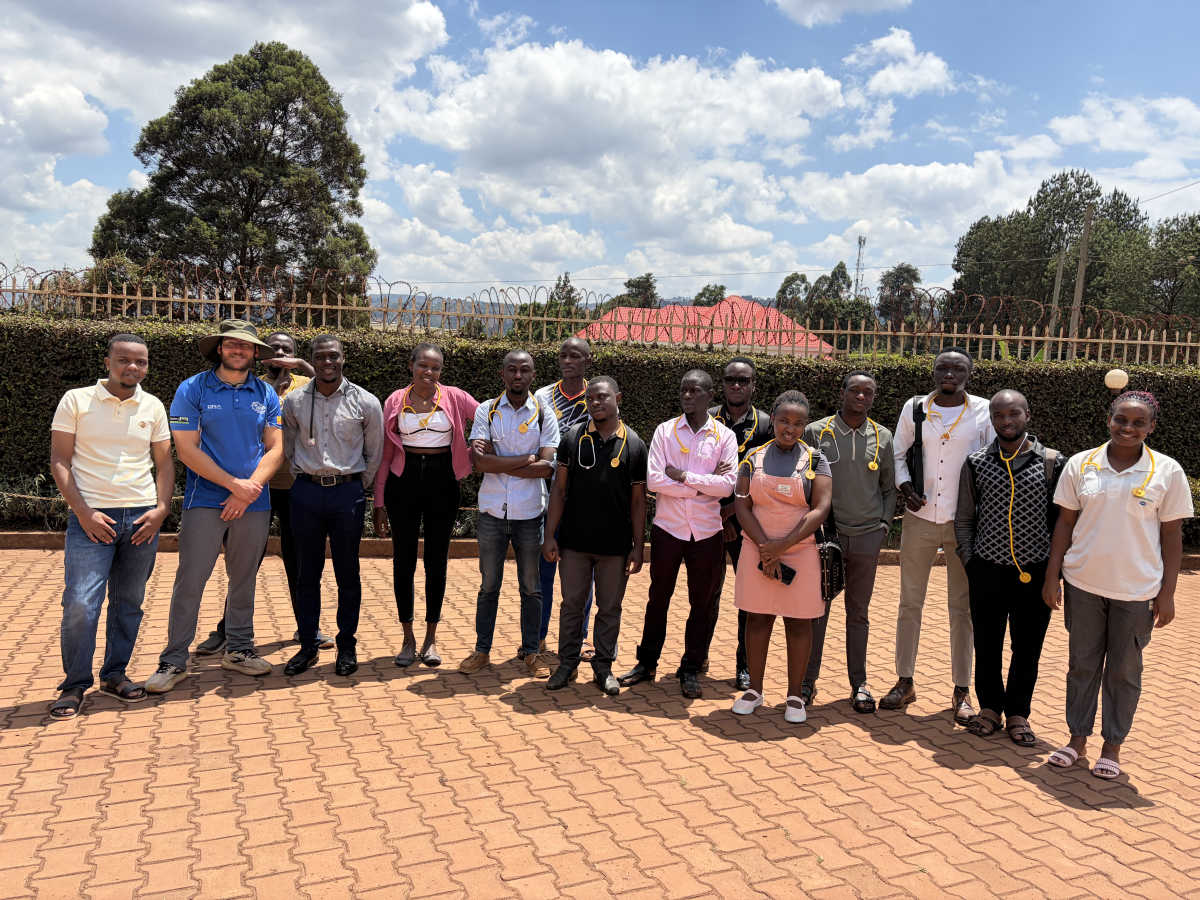
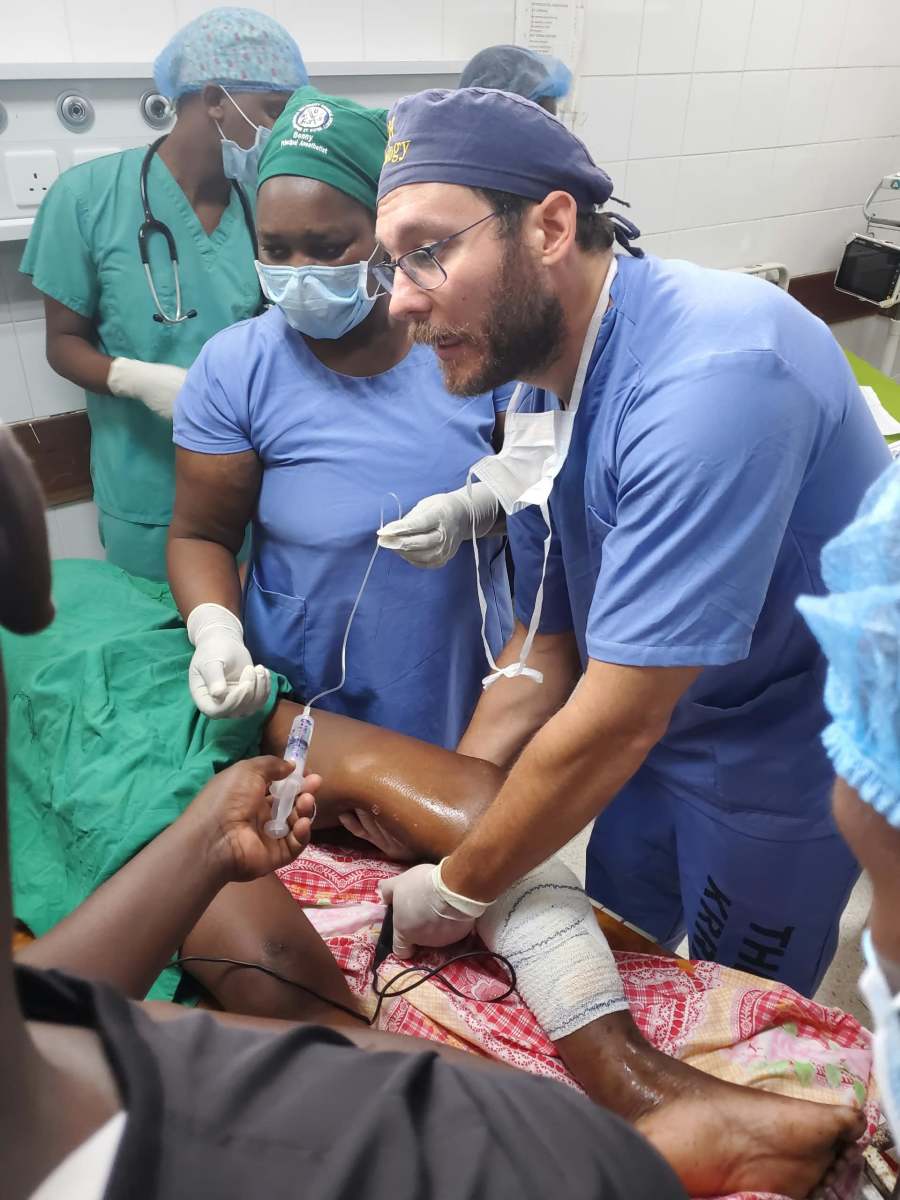
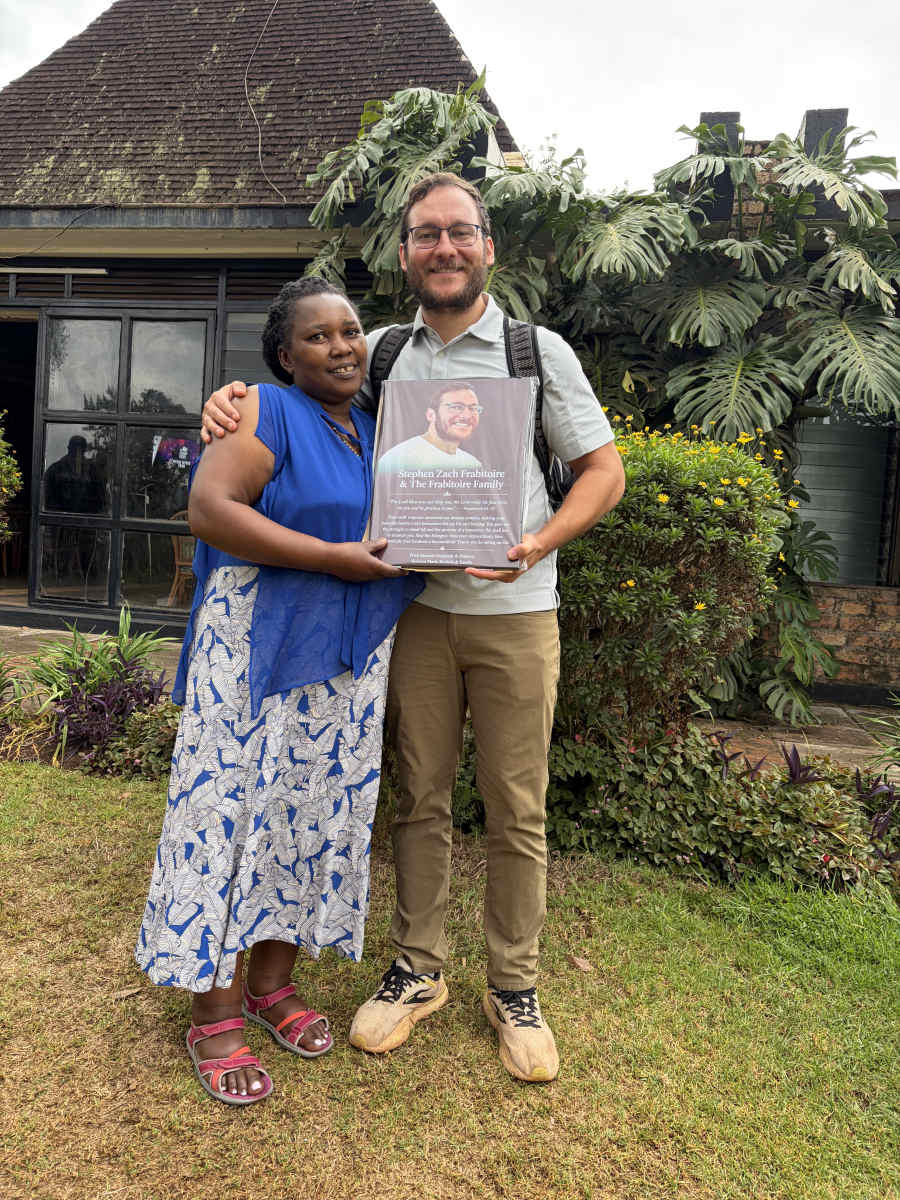
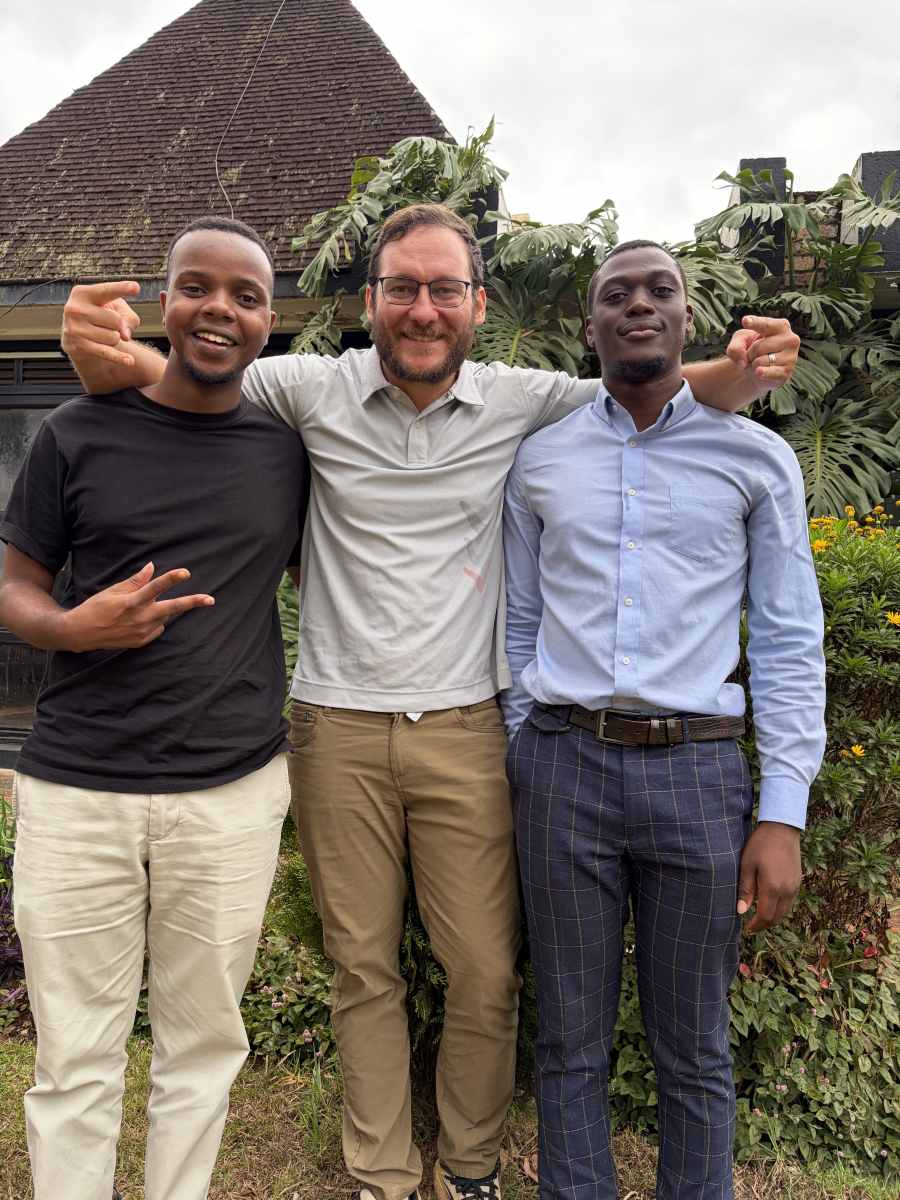

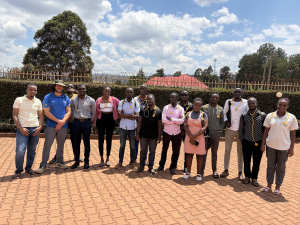

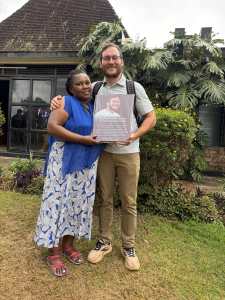
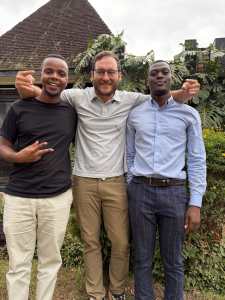
The people impacted by this trip to Kabale, Uganda, include anesthesia students, practicing anesthetists, university faculty, hospital clinicians, and the patients and families who depend on them. But the most important impact of this visit may be on people we will never meet: future trainees educated by local instructors and future patients cared for by a stronger anesthesia and critical care workforce.
This was my second consecutive year working in Kabale with support from the Doximity Foundation. The significance of returning to the same community is difficult to overstate. The first visit was largely about teaching, understanding local challenges, and building relationships. This year, those relationships helped us move beyond isolated educational encounters toward projects intended to strengthen institutions and improve care long after we leave.
At Kabale University School of Medicine, trainees are preparing to practice in a country with an extraordinary shortage of physician anesthesiologists. Many will become the primary anesthesia providers in hospitals where specialist support is scarce and resources are limited. The decisions they make will directly affect patients undergoing surgery, mothers requiring emergency obstetric care, and critically ill adults and children.
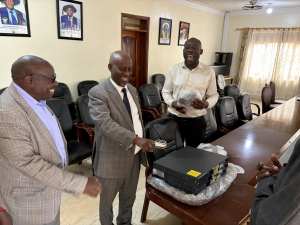
I delivered lectures twice daily on practical anesthesia and critical care topics and taught alongside trainees in the operating theater and ICU. We worked through real cases involving airway management, ultrasound, resuscitation, regional anesthesia, and the management of life-threatening illness. There was also a delivery of donated airway and monitoring equipment, other medical supplies, and stethoscopes that were given directly to clinical trainees. These are immediate benefits, but they are only the starting point.
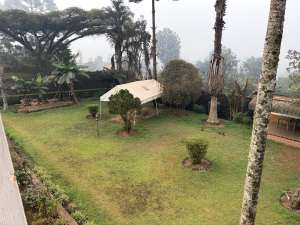
One of the clearest limitations to education in Kabale is the physical environment. Classroom space is so constrained that instruction sometimes takes place in a tent outdoors. Through Health Volunteers Overseas (HVO), a private donor has funded renovation of an existing building into permanent lecture space and a medical simulation laboratory. I represented that donor and visited the nearly completed facility during this trip. Seeing a project that began as an identified need become a tangible educational resource was one of the most meaningful moments of the visit.
A building, however, is not an educational program. We are now working to send Kabale anesthesia staff to formal simulation training in Ghana so they can return as local instructors and develop structured curricula. We are also collaborating with university and national leadership on broader improvements to anesthesia training. The goal is not to have visiting Americans conduct simulation sessions year after year; it is to help Ugandan educators train their own students consistently and independently.
At Kabale Regional Referral Hospital, anesthetists routinely manage emergencies in the operating theater and ICU with limited monitoring, staffing, medication, and access to specialist physicians. Bedside teaching allowed us to work through difficult clinical decisions together. It also highlighted problems that cannot be solved by lectures or equipment donations alone.
During this trip, I met with hospital leaders and local clinicians to discuss ICU structure, resuscitation processes, and how anesthetists might assume clearer clinical leadership in both the ICU and operating theater. These discussions are early steps, not completed reforms, but they address issues with consequences for every critically ill patient who enters these units.
We are also exploring telehealth partnerships to provide ongoing clinical consultation, mentorship, and education where physician anesthesiologists are scarce. If successful, these relationships could extend specialist support between visits and to clinicians who cannot readily access it today.
We met with hospital, university, and national leadership to deliver equipment and collaborate on curriculum reform, faculty development, and clinical systems improvement. This matters because the people best positioned to sustain change are the Ugandan professionals who live and work in these institutions. Our role is to listen, connect resources, contribute expertise, and help implement priorities that local partners can own.
One particularly meaningful experience was helping a hospital colleague whose daughter had been diagnosed with cancer. Friends, family, and colleagues from our anesthesia practice in Georgia raised funds to help the family access urgently needed treatment, and we delivered those funds personally while in Uganda. This effort was separate from our formal HVO projects, but it reflects the depth of the relationships that repeated visits have made possible. The people in Kabale are not just the recipients of a volunteer trip; they have become colleagues and friends.
The Doximity Foundation has funded travel supporting this work, not the entire scope of these initiatives. That distinction is important: its support allows us to return, maintain trust, teach directly, assess progress on the ground, and help coordinate work supported by other donors, organizations, and Ugandan institutions. A comparatively focused investment in continuity is helping connect multiple larger efforts: a permanent teaching and simulation facility, donated clinical equipment, local faculty training, curricular improvement, ICU systems discussions, and potential remote specialist support.
These efforts are at different stages. Some benefits, such as equipment delivered and teaching provided, are immediate. Others, including the simulation curriculum, ICU improvements, and telehealth partnerships, will require further work and evaluation. We have now seen a progression from identifying needs to building the partnerships and infrastructure capable of addressing them.
I hope to continue returning to Kabale as these initiatives mature. The ultimate objective is not dependence on our visits, but a stronger Ugandan-led system of anesthesia education and clinical care. The most meaningful measure of this work will not be how many lectures we deliver during a trip. It will be how many local instructors can teach independently, how many future anesthetists can train in a better environment, and how many patients can receive safer care as a result.
That is what the Doximity Foundation's support has helped make possible—and why longitudinal engagement matters so much.

