
I will join a head and neck surgical mission in Malindi, Kenya from September 25 through October 10. This longstanding collaborative program partners US head and nec ksurgeons with the Otolaryngology residency at Kenyatta National Hospital in Nairobi and other African head and neck surgeons to provide advanced surgical care while strengthening local surgical education.
During the mission, I will perform complex head and neck operations for patients with thyroid disease, salivary gland tumors, head and neck cancers, and other conditions that often go untreated because of limited access to subspecialty care. Equally important, I will work side-by-side with otolaryngology and plastic surgery residents, as well as attending surgeons, providing hands-on instruction in safe thyroid surgery, ultrasound, oncologic head and neck surgery, regional reconstruction, and perioperative decision-making.
Rather than providing short-term care alone, this mission is designed around sustainable partnerships and knowledge sharing. By operating together, teaching in the operating room, and exchanging techniques with local surgeons, we aim to expand the capacity for high-quality head and neck surgery long after the mission concludes.
This project serves patients in coastal Kenya who require specialized head and neck surgical care but often face significant barriers to accessing fellowship-trained surgeons. Many patients present with advanced thyroid disease, benign and malignant tumors, or complex head and neck conditions that have progressed because specialized treatment is limited.
The project also directly benefits Kenyan otolaryngology and plastic surgery residents, attending surgeons, and other African surgeons participating in the surgical camp. By providing hands-on operative teaching, mentorship, and collaborative case planning, we help strengthen the local workforce capable of safely managing increasingly complex head and neck diseases.
Ultimately, investing in both patients and local surgeons creates a multiplier effect—improving care not only for those treated during the mission, but for countless future patients who will benefit from a growing network of highly trained surgeons.
The immediate impact of this mission will be the treatment of patients who otherwise may not have access to advanced head and neck surgery. Successful operations can relieve pain, restore function, improve quality of life, and, for many patients with cancer or other serious diseases, provide potentially curative treatment.
The longer-lasting impact comes through education. This mission has a long history of training dozens of head and neck surgeons who continue to serve patients throughout Kenya and across Africa. By teaching safe thyroid surgery, complex oncologic procedures, and reconstructive techniques in the operating room, we help build local expertise that continues to benefit patients well beyond the two-week mission.
As a fellowship-trained head and neck surgeon and academic educator, I also anticipate bringing valuable lessons back to my own institution. Working in a resource-limited environment encourages innovation, adaptability, and thoughtful surgical decision-making that can inform my teaching of residents and medical students. I look forward to sharing these experiences with colleagues and trainees while continuing to strengthen the longstanding partnership between our teams and our Kenyan collaborators.

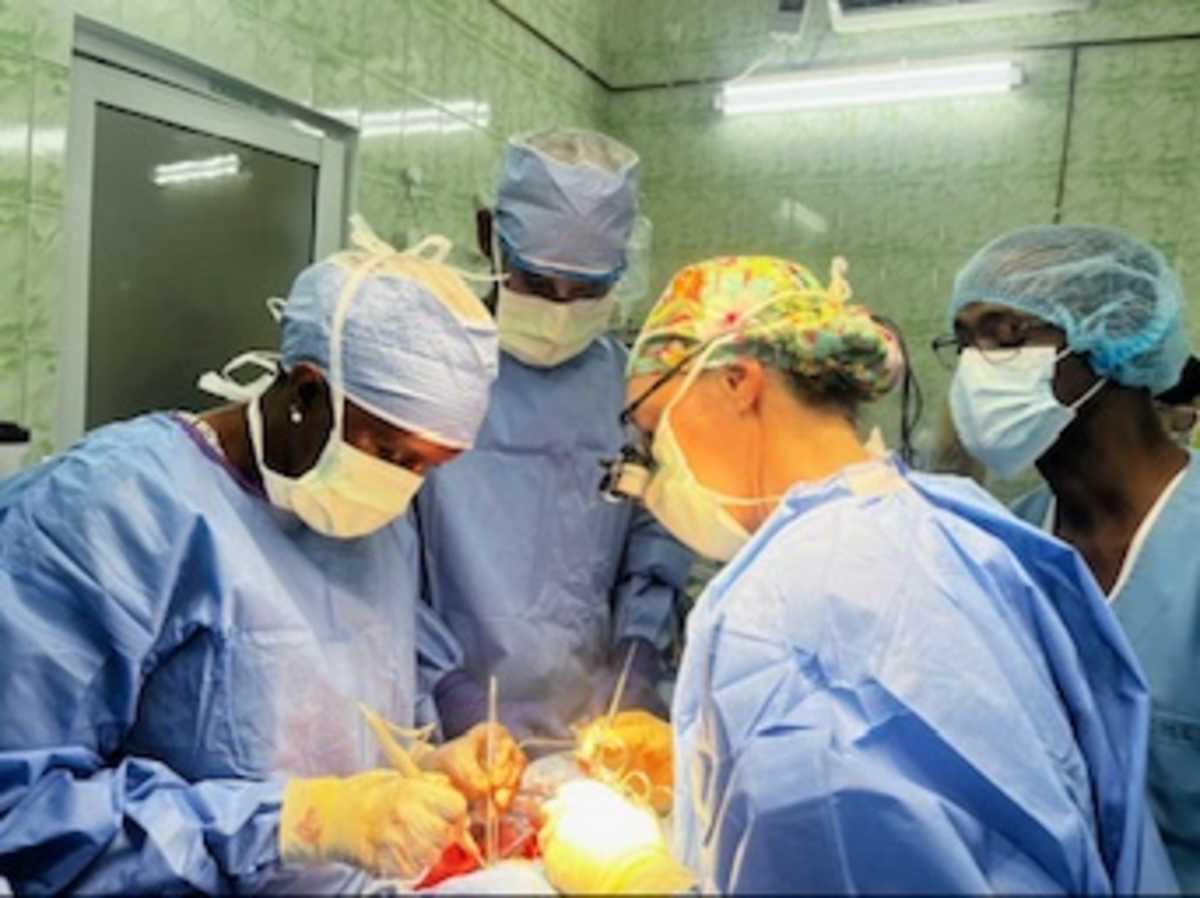
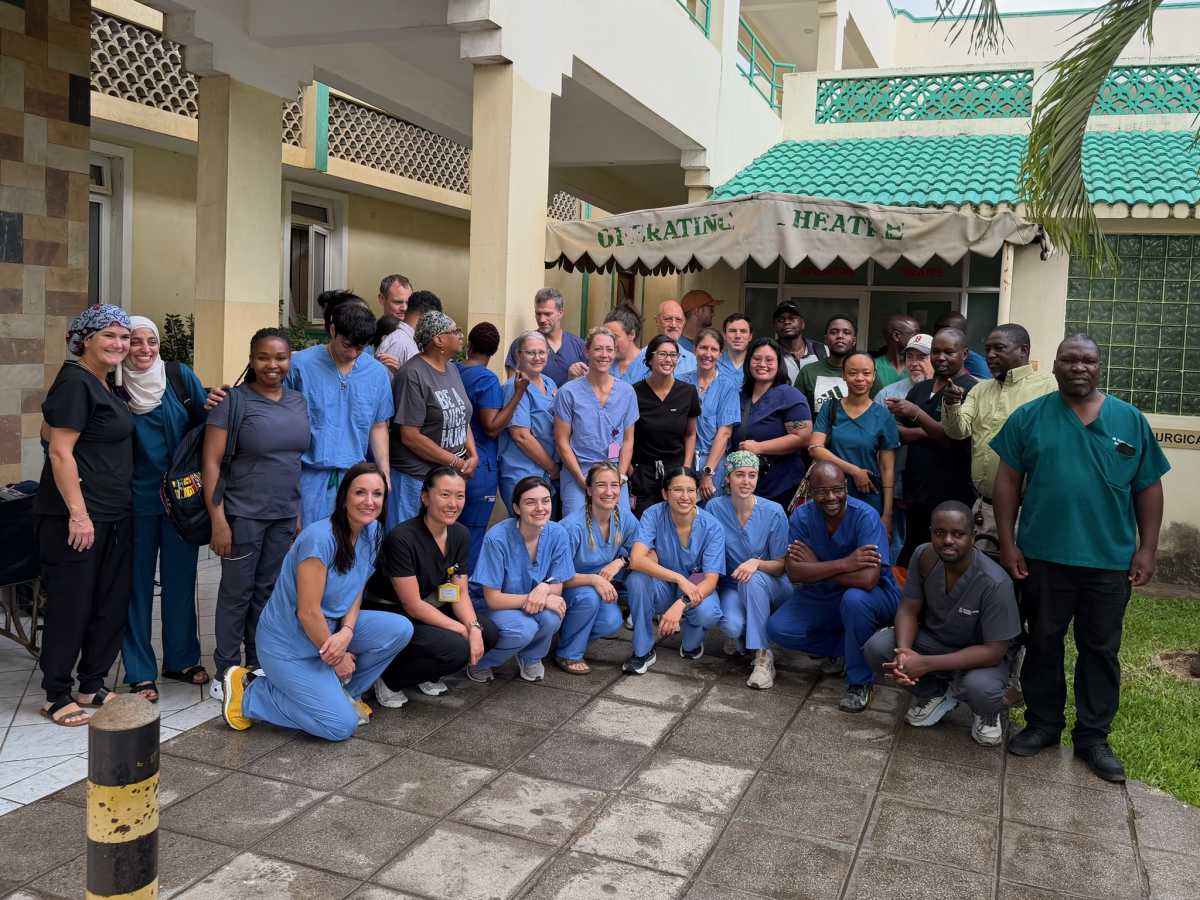
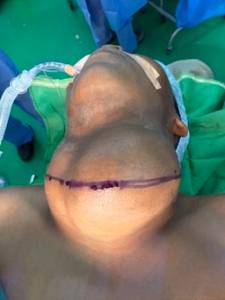

Our trip impacted patients in Kenya living with complex head and neck disease. Kenya has a very high burden of head and neck disease and very few otolaryngologists. Most of the patients we saw had low or no income. Many had lived with large, slow-growing tumors for years or even decades or had malignancies that would have otherwise been fatal. We worked along side surgeons from all over Africa, including the otolaryngology residents from Kenyatta National Hospital. We focused on teaching safe thyroid surgery and complex head and neck procedures.

