
We will travel to Maputo, Mozambique, to partner with local pediatric emergency medicine physicians, trainees, and patients through a combination of direct clinical care, medical education, and curriculum development. During the trip, we will work alongside local providers in the pediatric emergency department, caring for patients while providing bedside teaching and mentorship to pediatric residents and other trainees.
In addition to clinical teaching, we will deliver interactive lectures focused on common pediatric emergencies relevant to the local disease burden and available resources. A major objective of the project is to develop and implement a low-fidelity pediatric emergency medicine simulation curriculum specifically designed for resource-limited settings. These simulation cases will emphasize high-impact clinical scenarios, teamwork, clinical decision-making, and effective use of locally available equipment so they can be sustainably incorporated into resident education after our visit.
To maximize long-term impact, we will collaborate closely with local faculty to tailor the curriculum to their educational needs and encourage continued use beyond our time in Mozambique. Following implementation, we plan to refine the curriculum using participant feedback and prepare the simulation case series for publication, allowing other pediatric training programs in low-resource settings to adapt and implement the materials.
This project aims to strengthen pediatric emergency medicine education through sustainable capacity building rather than short-term service alone. By combining direct patient care, resident education, faculty collaboration, and the creation of enduring educational resources, we hope to improve pediatric emergency care both locally in Maputo and more broadly through dissemination of the curriculum.
The primary beneficiaries of this project are children receiving emergency care at Maputo Central Hospital, as well as the pediatric residents, physicians, and other healthcare professionals who care for them. Mozambique has a high burden of pediatric illness and injury, and healthcare providers often practice in resource-limited environments where access to specialized pediatric emergency medicine training and simulation-based education is limited.
The expected impact of this project is to strengthen pediatric emergency medicine education through sustainable knowledge sharing and capacity building. During our visit, pediatric residents and local clinicians will participate in bedside teaching, interactive lectures, and simulation-based training focused on common pediatric emergencies encountered in their clinical practice.
The impact will continue well beyond our visit. We are developing a low-fidelity simulation curriculum specifically designed to be feasible using locally available equipment and adaptable to the needs of the training program in Maputo. By collaborating closely with local faculty throughout the development and implementation process, we aim to create educational materials that can be integrated into ongoing resident teaching and independently facilitated after our departure.
Following the trip, we plan to refine the curriculum based on feedback from participants and local educators and prepare the simulation case series for publication. Disseminating this curriculum will allow other pediatric residency programs and emergency departments in low-resource settings to adapt and implement these cases, extending the project's impact beyond Mozambique. We also hope this collaboration will serve as the foundation for an enduring academic partnership, creating opportunities for future educational exchanges, curriculum development, and collaborative research.


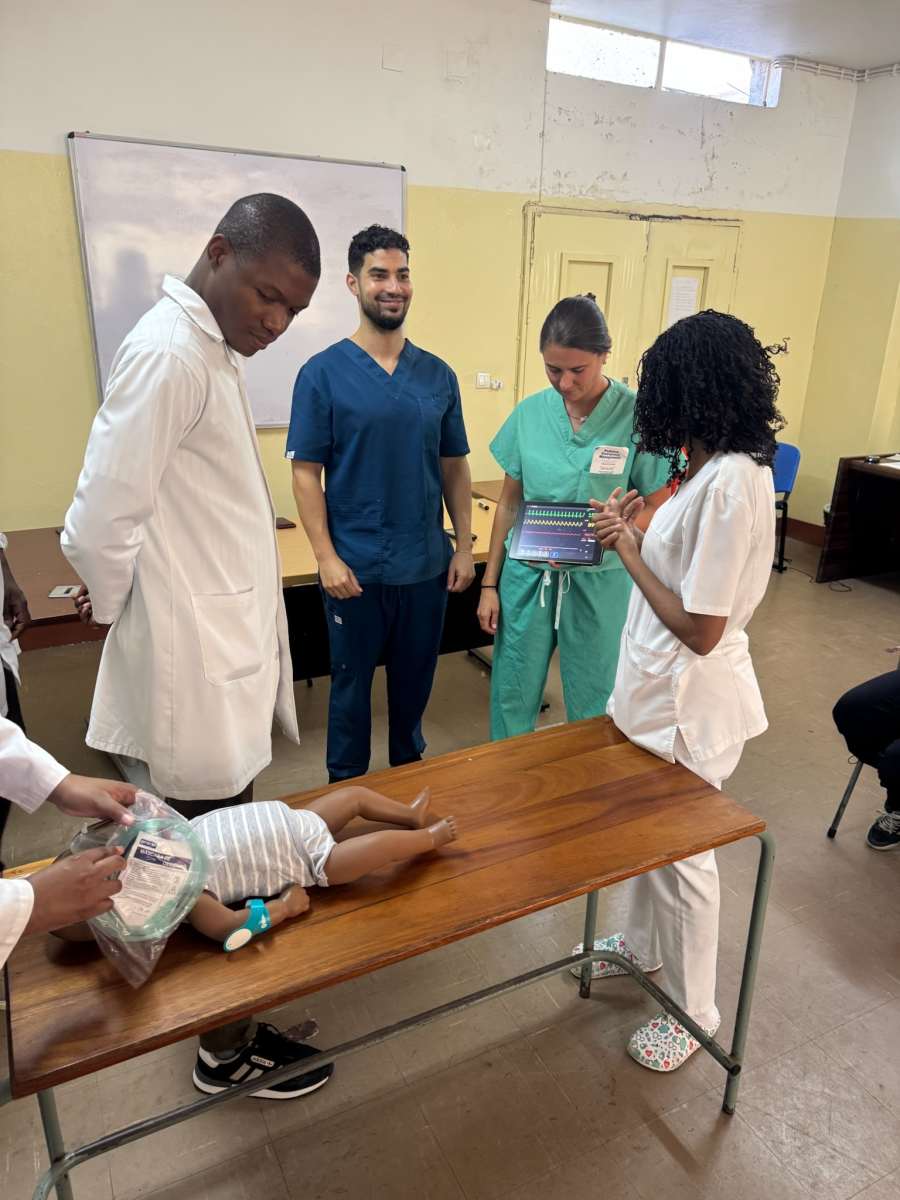
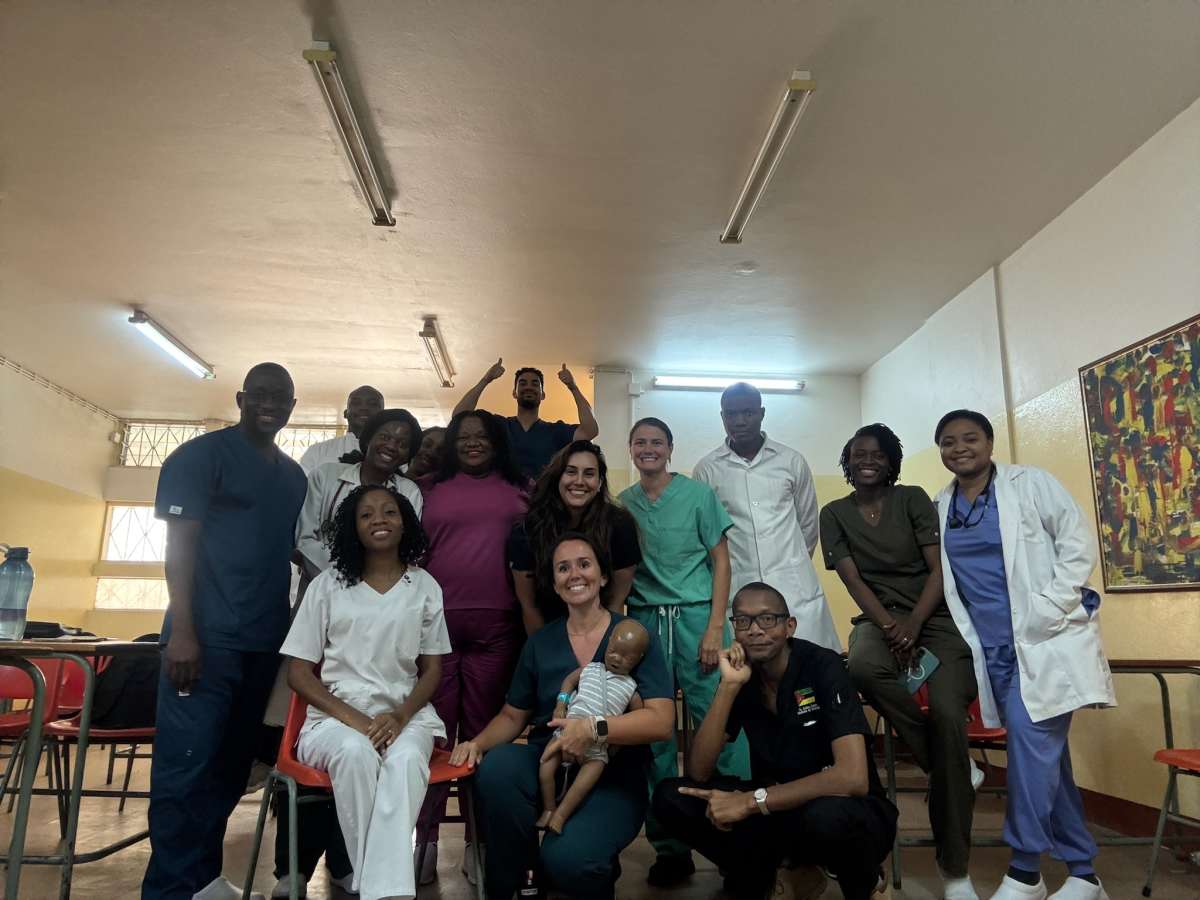


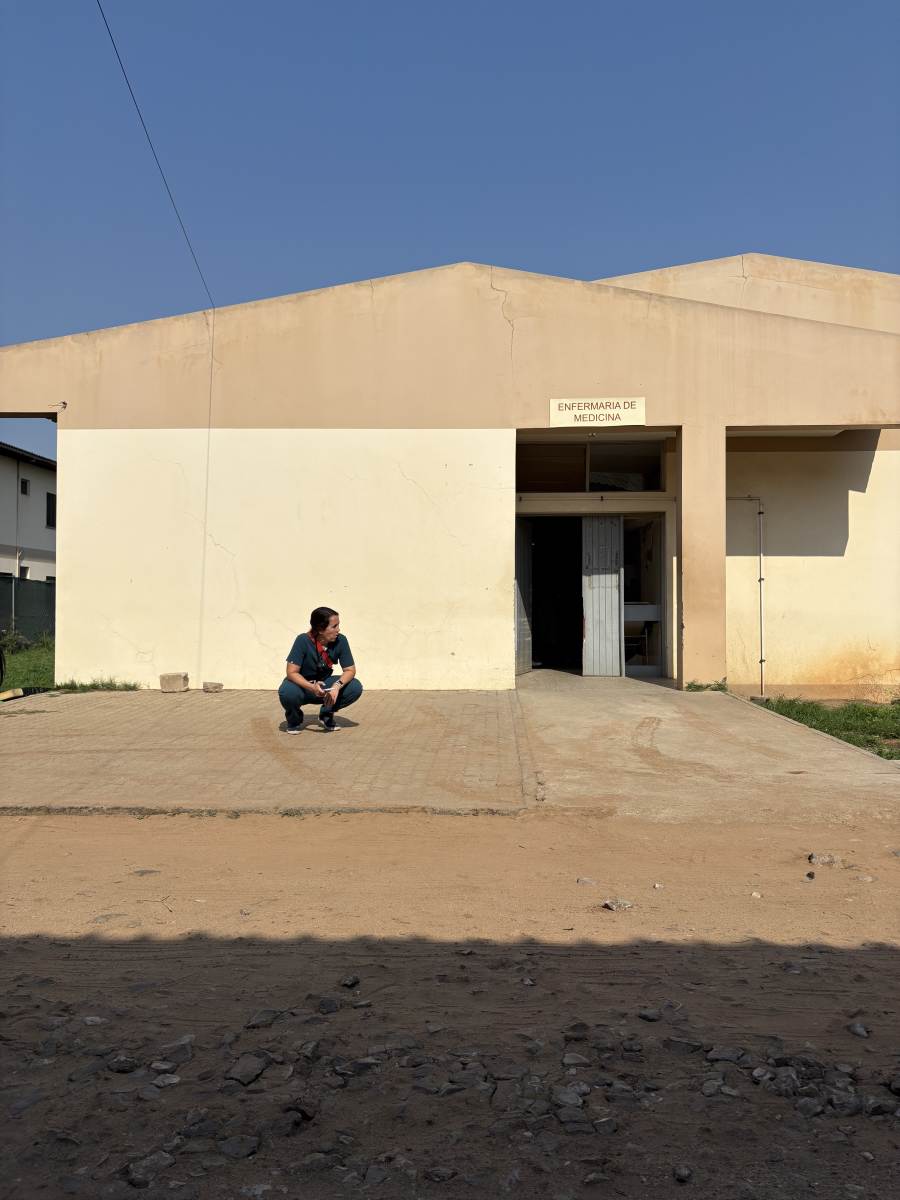


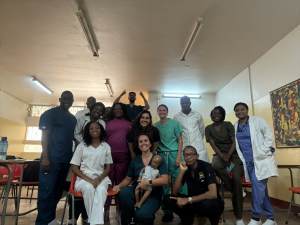


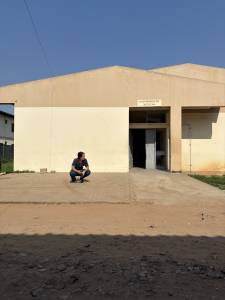


The people most directly impacted by my time in Mozambique were the children seeking emergency care and the physicians, residents, and nurses responsible for caring for them. I worked primarily alongside emergency medicine residents in the pediatric area of the emergency department, where we cared for children presenting with a wide range of acute illnesses and injuries. This provided opportunities not only to contribute to patient care, but also to teach pediatric assessment, stabilization, and resuscitation in real time at the bedside.
The emergency medicine residents were an especially important focus of the experience. Through a needs assessment, they identified areas of pediatric emergency medicine in which they wanted additional training. Together, we used these priorities to develop a pediatric simulation curriculum centered on clinical scenarios relevant to their practice. The residents were enthusiastic participants and expressed interest in continuing to use the simulation cases throughout the academic year, allowing the educational impact to extend beyond my time in Mozambique.
Ultimately, the impact extended beyond the individual children I cared for during the trip. By working alongside the clinicians who continue to care for children every day, I was able to contribute to an ongoing exchange of pediatric emergency medicine knowledge and skills that can continue benefiting patients long after my rotation ended.

