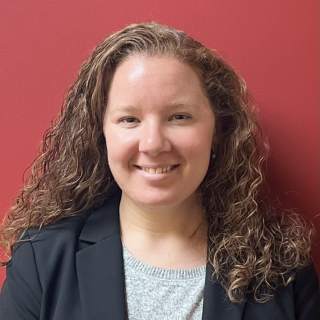
This October, I will be traveling to Mampong, Ghana, with a multidisciplinary team of approximately 25 volunteers, including surgeons, CRNAs, nurses, logistics personnel, and trainees. Together, we aim to provide more than 70 free surgeries to patients from Mampong and the surrounding communities.
The majority of patients we will serve are expected to present with hernias and uterine fibroids—conditions that are often highly treatable but can become debilitating when access to surgical care is limited. For many individuals in this region, these conditions prevent them from working, caring for their families, and maintaining their livelihoods. Access to surgery will not only improve their health but also have a lasting impact on their quality of life.
In addition to providing surgical care, our team will offer training to local healthcare providers in both Stop the Bleed and Basic Life Support (BLS). Stop the Bleed equips participants with the skills to recognize and control life-threatening bleeding, while BLS teaches providers how to identify life-threatening emergencies, perform high-quality CPR, and deliver essential early interventions. Training local providers with these lifesaving skills helps to strengthen the healthcare system and ensures that the benefits of our mission continue, even after the mission has concluded. In communities where access to healthcare resources and emergency services is limited, this transfer of knowledge is invaluable, both within healthcare facilities and in the broader community.
We will primarily be caring for patients with uterine fibroids, hernias, and enlarged prostates. While these conditions are often highly treatable, limited access to healthcare and medical resources in underserved communities causes many individuals experience prolonged suffering. As a result, patients frequently endure severe anemia, chronic pain, loss of income, and a significantly reduced quality of life. By providing timely surgical care, we hope to restore not only their health but also their ability to support themselves and their families.
Local surgeons, anesthetists, nurses and the greater community will also benefit from training in Stop the Bleed and BLS.
The immediate impact of this mission will be a significant reduction in the suffering experienced by patients living with untreated uterine fibroids and hernias, resulting in improved health, increased mobility, and a better quality of life. Beyond the direct benefits to each patient, restoring an individual's health has a ripple effect, enabling them to return to work, care for their families, and contribute more fully to their communities.
To ensure continuity of care, a small team of three to four volunteers will remain in Mampong for an additional three days to conduct postoperative follow-up evaluations for every surgical patient. These visits will allow us to assess each patient's recovery, monitor for complications, and ensure their pain is being effectively managed during the recovery period.
Our educational efforts will also extend beyond the mission itself. In addition to providing Stop the Bleed and BLS training, we plan to prepare local healthcare providers to become instructors so they can continue teaching these lifesaving skills within their own communities. By equipping local providers to train others, we hope to create a sustainable program that strengthens the emergency response capabilities of local providers as well as those throughout the community.
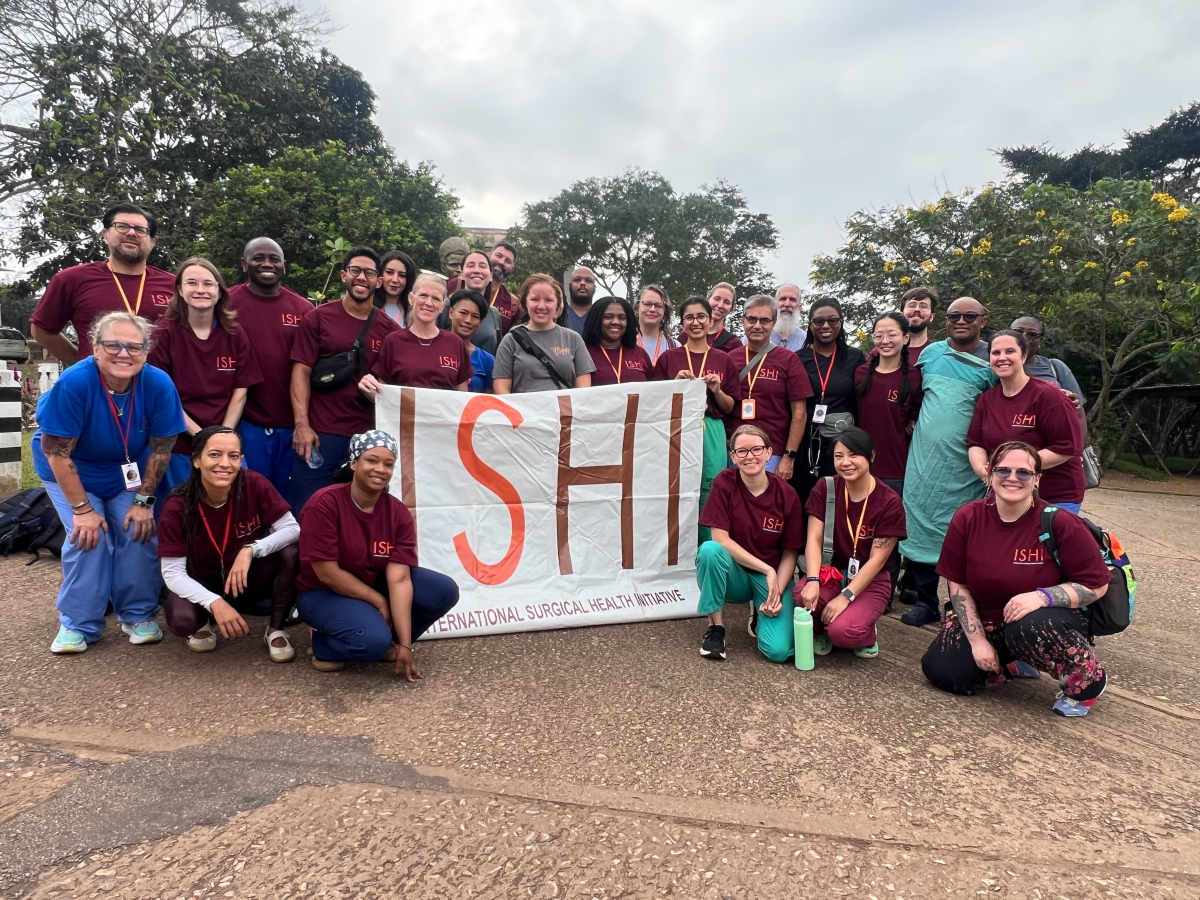
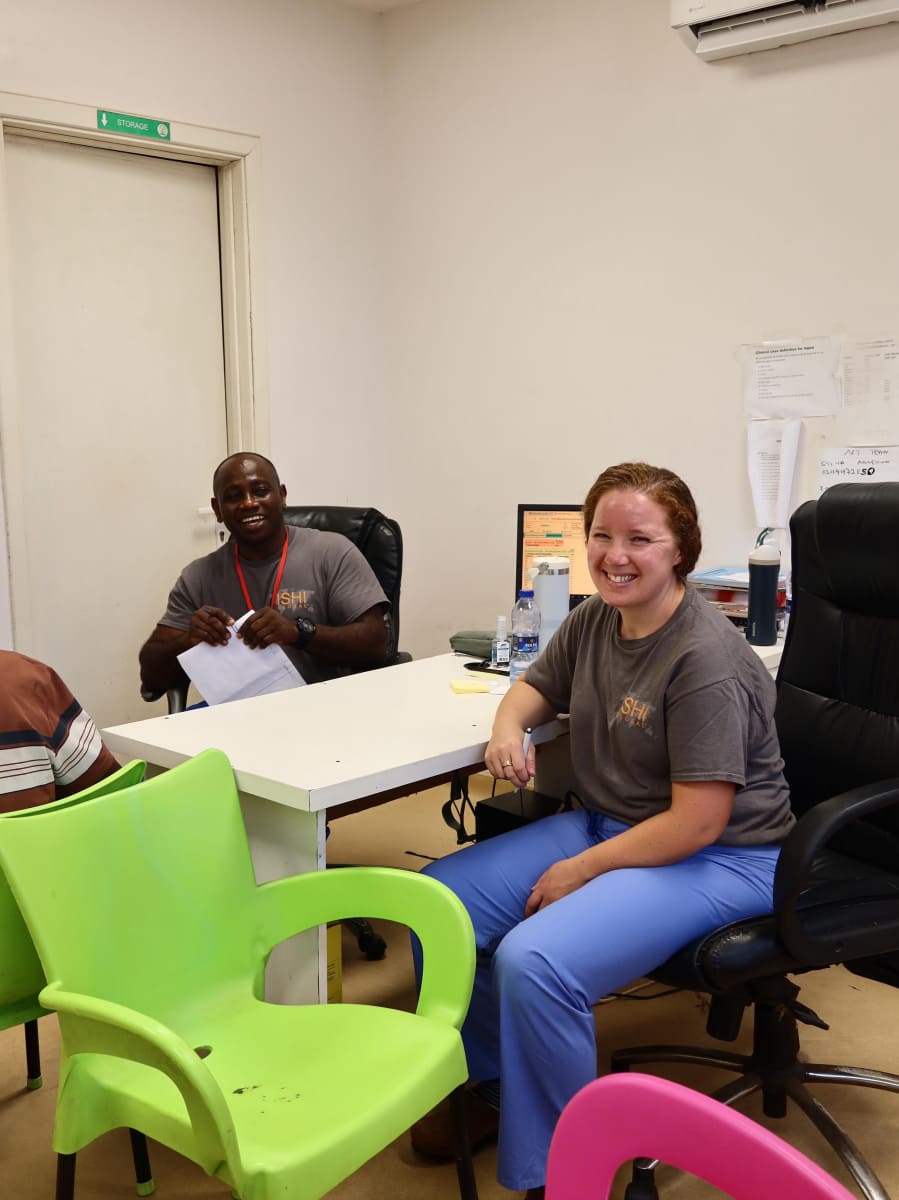

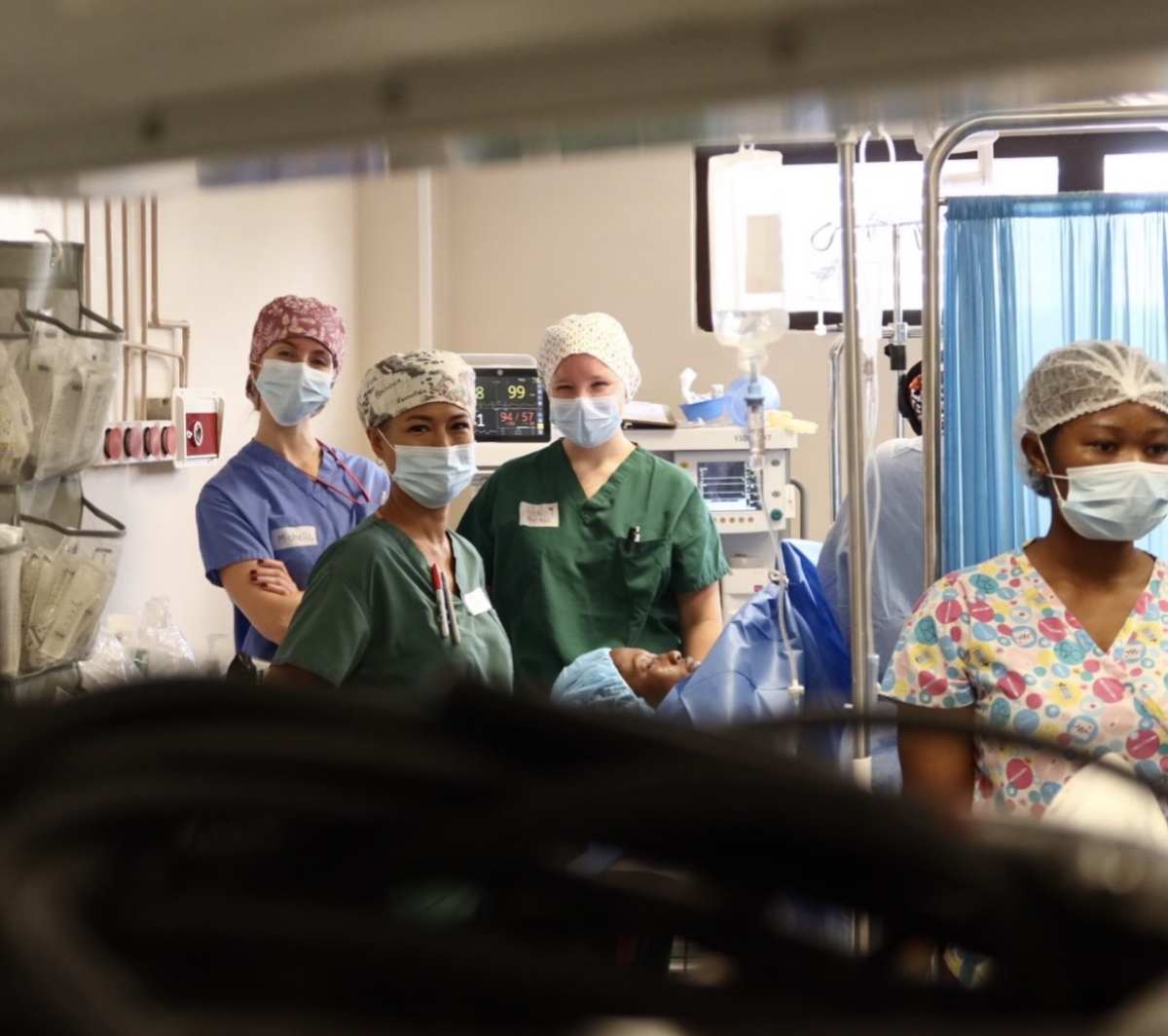
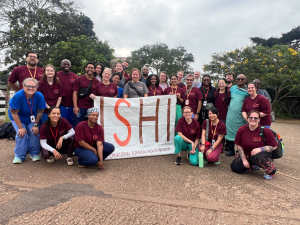
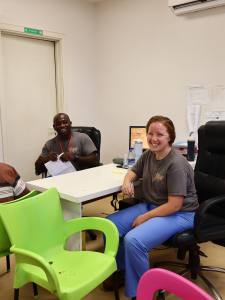
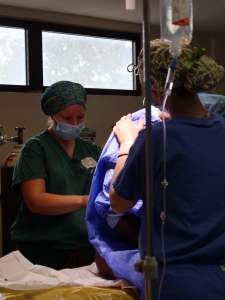
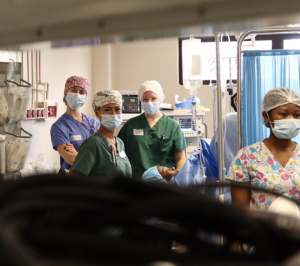
On ISHI’s most recent surgical mission to Ghana, we served local residents from Mampong and the greater Ashanti region. With the help of local staff at Tetteh Quarshie Memorial Hospital, we triaged over 150 patients and completed over 100 surgeries which consisted of hernias, hysterectomies, open prostatectomies, TURPs, hydroceles, and plastics procedures. Additionally, volunteers provided education in multiple areas including Stop-The-bleed, and nursing care for obstetrics and burn management.
As a CRNA, I participated in triaging patients by clearing them medically for surgery as well as providing anesthesia in the operating room and managing pain post operatively. This was by far the busiest mission I have been a part of. It is always a humbling experience being able to help so many people who would otherwise not have access to necessary surgical care. This mission was a powerful reminder of why I went into healthcare and became a CRNA, leaving me deeply grateful for the opportunity to work alongside such a dedicated and skilled team. I returned home inspired, fulfilled, and look forward to the next opportunity to provide life-changing care. Thank you to the Doximity foundation for helping to make this trip possible for me as well as similar trips for so many others!

