
Africa has the lowest density of Ears Nose Throat (ENT) clinicians in the world, with an estimate of 0.18 clinicians per 100,000 population (PMID: 37651133). As a result, much of the burden of ENT care falls on primary care providers (PCPs), with ENT conditions accounting for approximately 20% of adult general practice visits and 30–50% of pediatric consultations (PMID: 22754276).
To help address this critical workforce shortage, we will partner with the University of Global Health Equity (UGHE) in Rwanda to deliver an intensive two-day ENT Bootcamp for primary care providers. The curriculum focuses on the ENT conditions most commonly encountered in primary care, including tonsillitis, peritonsillar abscess, otitis media, otitis externa, epistaxis, sinusitis, and sleep-disordered breathing.
The Bootcamp combines interactive lectures, case-based discussions, simulation, and hands-on skills training using low-cost, reproducible models for procedures such as ear foreign body removal and epistaxis management. By equipping frontline providers with practical knowledge and procedural skills, this program will strengthen local capacity to diagnose, manage, and appropriately refer common ENT conditions, ultimately improving access to quality ENT care in low-resource settings.
The primary beneficiaries of this project are patients throughout Rwanda and the broader East African region who rely on primary care providers for initial evaluation and treatment of ENT conditions. In addition to the severe shortage of ENT specialists in low- and middle-income countries (LMICs), financial barriers and long travel distances to specialty care remain significant obstacles for patients (PMID: 40272811). By strengthening the ability of PCPs to diagnose and manage common ENT conditions, we aim to expand access to timely, high-quality care closer to where patients live while improving referral pathways for conditions requiring specialized management, such as head and neck cancer, chronic ear disease, and profound hearing loss.
Bootcamp participants will be practicing PCPs from Rwanda and neighboring countries. The program builds capacity across multiple levels of the healthcare workforce and creates a sustainable foundation for improving ENT care throughout the region.
This program is designed around a sustainable train-the-trainer model. Following the Bootcamp, participants will receive educational materials and teaching resources that enable them to train colleagues, learners, and community health workers at their home institutions, multiplying the impact of the initial course.
Participants will also be invited to serve as instructors at future Bootcamps, fostering the development of local faculty and gradually reducing reliance on visiting educators from high-income countries. In partnership with faculty at the UGHE, we will continue to refine the curriculum based on participant feedback, assess knowledge and skills acquisition through pre- and post-course evaluations, and support the integration of ENT education into ongoing medical training programs.
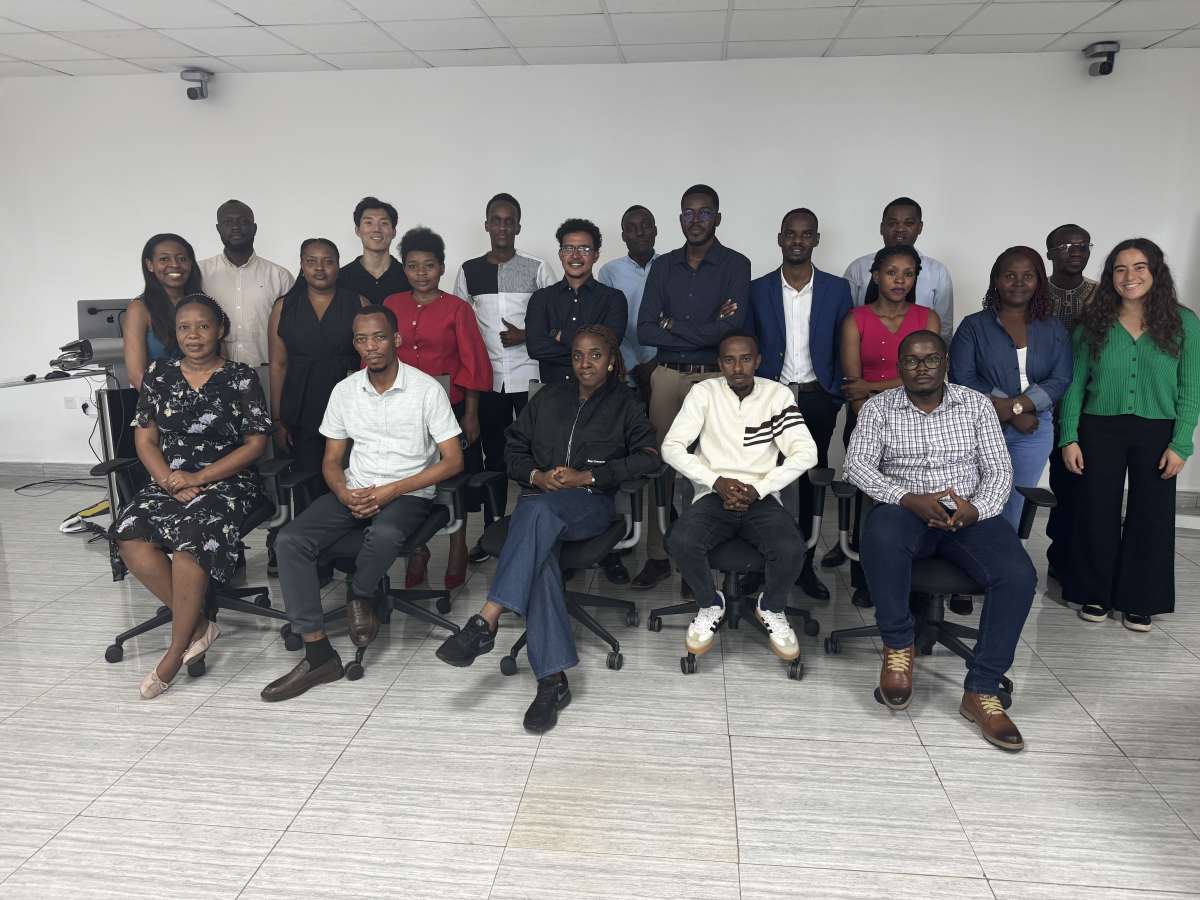
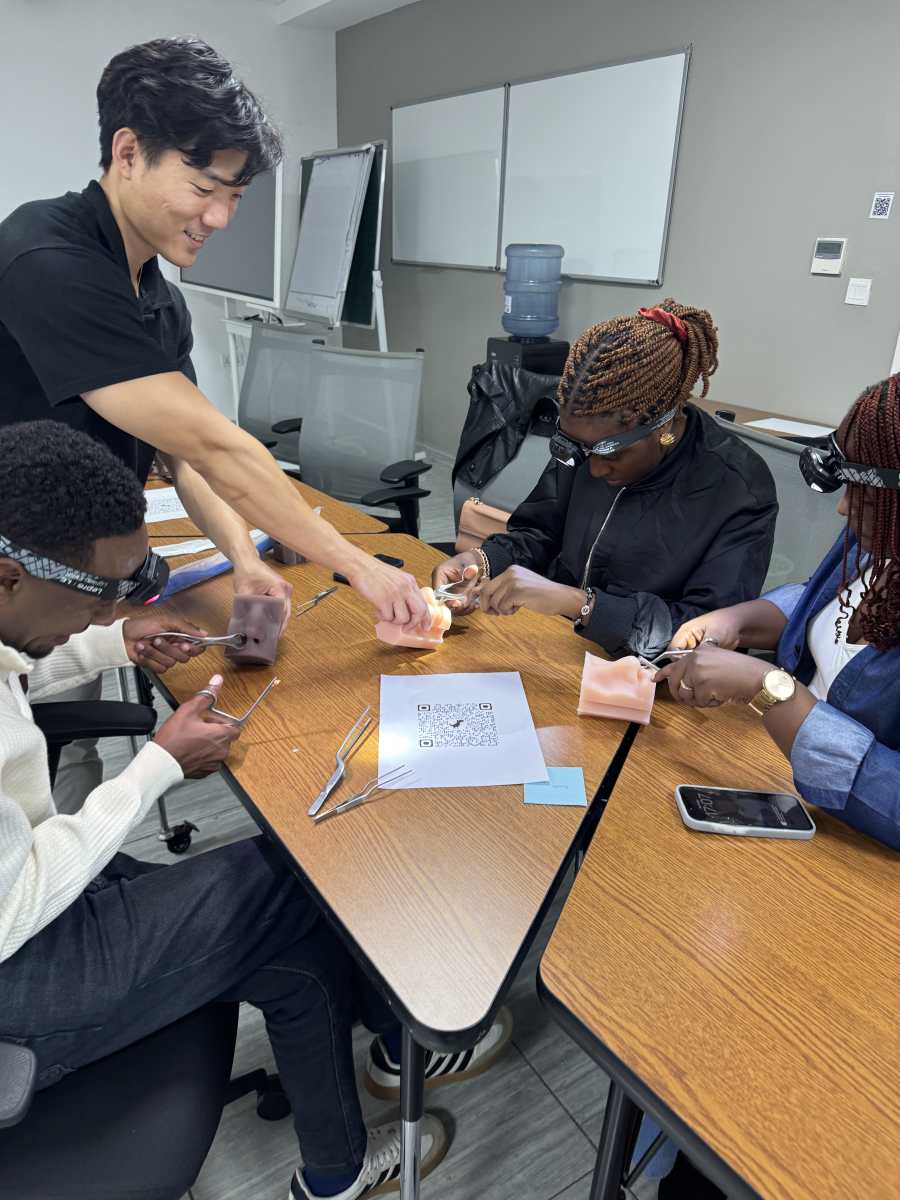
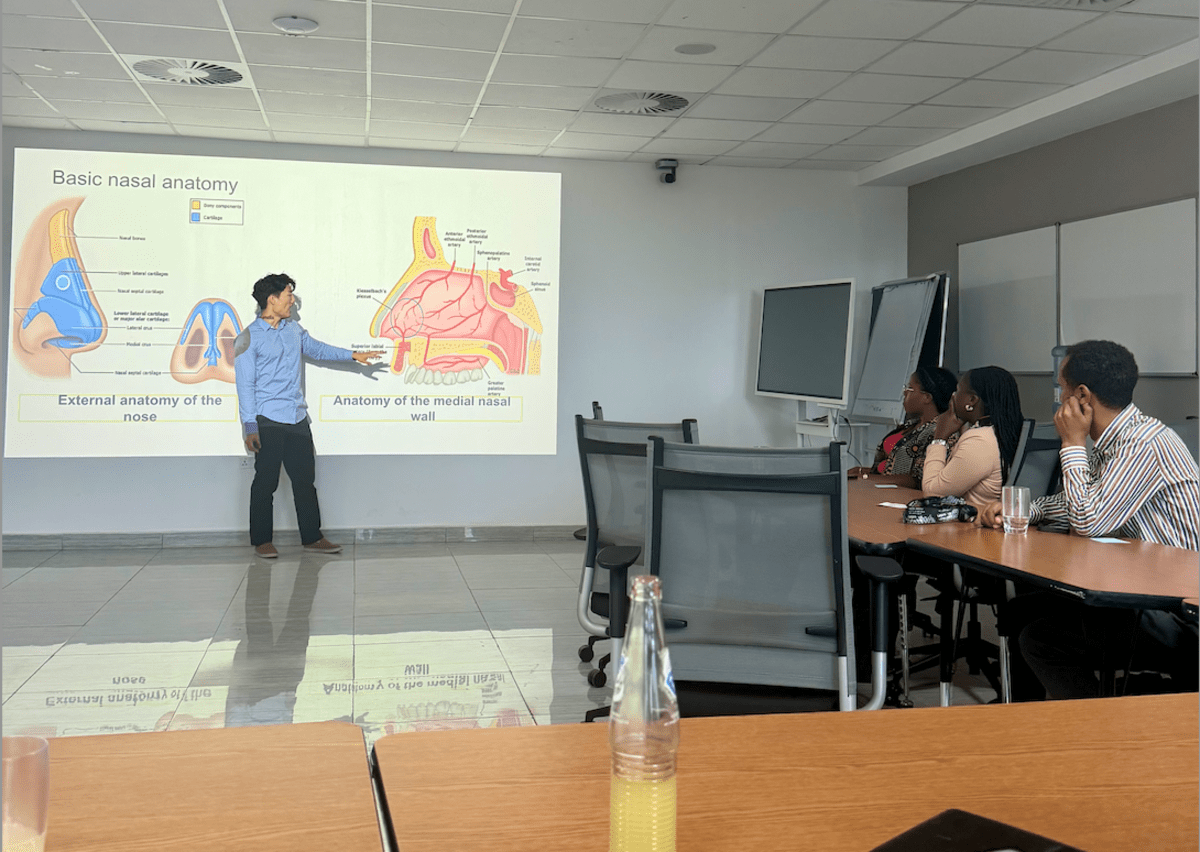

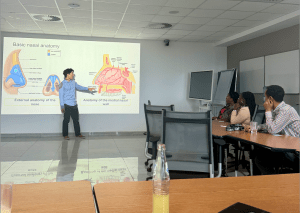
In our two-day ENT bootcamp, we trained 25 primary care physicians from 17 healthcare facilities across 14 districts in all five provinces of Rwanda, a country with only 35 ENTs. The participants worked in a wide range of settings, from district hospitals to provincial and teaching hospitals. For many, they are among the first clinicians patients see when they present with an ear, nose or throat problem.
A consistent theme among the doctors was that ENT is an area in which they have had limited formal training. 96% of participants said general practitioners are not adequately trained in ENT during medical school, and 100% said additional ENT training would improve the care they provide. During the two-day workshop, six ENT trainers provided practical teaching focused on helping these doctors become more confident assessing and managing common ENT conditions.
To help translate the training into practice, 15 ENT teaching kits were distributed to 14 facilities in 11 districts. The equipment therefore travelled home with participants to communities across the country. The impact also extends beyond the 25 doctors who attended. Participants returned to their facilities with skills they could share with colleagues. As one doctor said, “We truly appreciate this opportunity and look forward to sharing the knowledge with our colleagues.” Several participants also expressed interest in refresher courses and further ENT education.
Ultimately, the people impacted by the trip include not only the doctors who received training and equipment, but also the patients and communities they serve. By strengthening ENT skills and providing basic equipment at facilities across Rwanda, the training aimed to help frontline clinicians better evaluate and manage common ENT problems and recognize patients.

