
This medical mission initiative in Kigali, Rwanda, is dedicated to advancing women’s health through specialized surgical care and sustainable capacity building. At the core of our work is the prevention and treatment of obstetric fistula—a devastating condition causing chronic incontinence, severe health complications, and social isolation. By delivering expert gynecologic and reconstructive surgical care, we work directly to restore health, dignity, and independence to vulnerable women across the region.
Our model unites immediate surgical relief with long-term educational empowerment. Recognizing that lasting change requires strengthening local healthcare systems, we prioritize comprehensive training for Rwandan surgical faculty and clinical trainees. We provide rigorous, hands-on instruction in pelvic surgical anatomy and operative techniques specifically designed to prevent fistula formation during complex obstetric and gynecologic procedures. By sharpening local expertise in surgical anatomy and precision, we directly reduce surgical complications and safeguard maternal health for years to come.
Beyond fistula prevention, our clinical scope encompasses essential emergency and elective interventions, including performing and teaching high-quality cesarean sections and benign gynecologic operations. These efforts address urgent surgical needs while serving as an active classroom for local physicians to refine fundamental skills, tissue handling, and safety protocols.
To further elevate the standard of care, our initiative introduces and reinforces basic laparoscopic skills. By teaching minimally invasive techniques and elevating existing faculty skill sets, we support Rwandan clinicians in modernizing operative care, shortening patient recovery, and expanding advanced treatment options. Through collaborative mentorship, technical training, and knowledge exchange, this project transforms medical outreach into a lasting framework of surgical excellence.
This project directly benefits vulnerable women in Rwanda as well as the local surgical providers and medical institutions in Kigali that care for them.
The primary direct beneficiaries are Rwandan women suffering from or at risk of obstetric fistula, pelvic floor injury, and complex gynecologic conditions. In low-resource settings, obstetric fistula remains a devastating consequence of prolonged, obstructed labor without timely intervention, as well as inadvertent tissue injury during difficult deliveries. Women affected by fistula experience continuous incontinence, chronic infections, and persistent physical pain. Beyond the severe bodily toll, the social consequences are profound: many face intense social stigma, abandonment by partners, and isolation from their communities. By delivering specialized reconstructive care, essential cesarean sections, and benign gynecologic operations through IOWD, this initiative directly restores physical health, personal dignity, and economic independence to women who otherwise lack access to advanced subspecialty care.
Simultaneously, local Rwandan surgical faculty, resident physicians, and clinical staff serve as vital secondary beneficiaries. Sustainable improvement in maternal health requires more than short-term surgical relief; it demands building local clinical capacity. Through structured, hands-on instruction in pelvic surgical anatomy, targeted fistula prevention strategies, and fundamental laparoscopic techniques, local surgeons expand their technical skills and operative safety protocols. Elevating local faculty expertise ensures that advanced surgical care continues long after the mission concludes.
Focusing on this population is vital because maternal morbidity remains a major challenge in sub-Saharan Africa. Strengthening surgical access and education in Kigali addresses systemic disparities in healthcare, creating a lasting impact that protects mothers, restores families, and builds surgical capacity across.
The expected impact of this IOWD project operates on two interconnected levels: immediate clinical healing for individual patients and a long-term, self-sustaining transformation of the regional healthcare system in Rwanda.
In the short term, the project delivers life-altering surgical interventions for women affected by obstetric fistula, complex birth trauma, and benign gynecologic conditions. Restoring continence and pelvic health eliminates the devastating social stigma associated with fistula, allowing women to reintegrate into their families, resume economic activity, and reclaim their dignity. Performing high-quality cesarean sections and elective gynecologic procedures directly lowers maternal morbidity and prevents operative complications during difficult emergency deliveries.
The most profound and lasting impact lies in how the learnings carry forward long after the mission concludes. By embedding structured clinical education into every aspect of care, the project builds permanent surgical capacity within the local healthcare workforce. Teaching pelvic surgical anatomy with a specific focus on fistula prevention equips Rwandan faculty, resident physicians, and clinical trainees with the critical skills needed to avoid iatrogenic injury during future emergency deliveries and complex pelvic operations. This anatomical expertise establishes an enduring standard of care that protects thousands of future maternal patients.
Furthermore, introducing basic laparoscopic skills and elevating existing faculty skill sets modernizes the local surgical environment. Local clinicians gain hands-on proficiency in minimally invasive techniques, enabling them to independently offer less invasive options, shorten patient recovery times, and lower post-operative complication rates. Trained faculty then serve as clinical mentors who pass these refined skills down to subsequent generations of trainees, ensuring a multiplying effect that permanently strengthens healthcare.
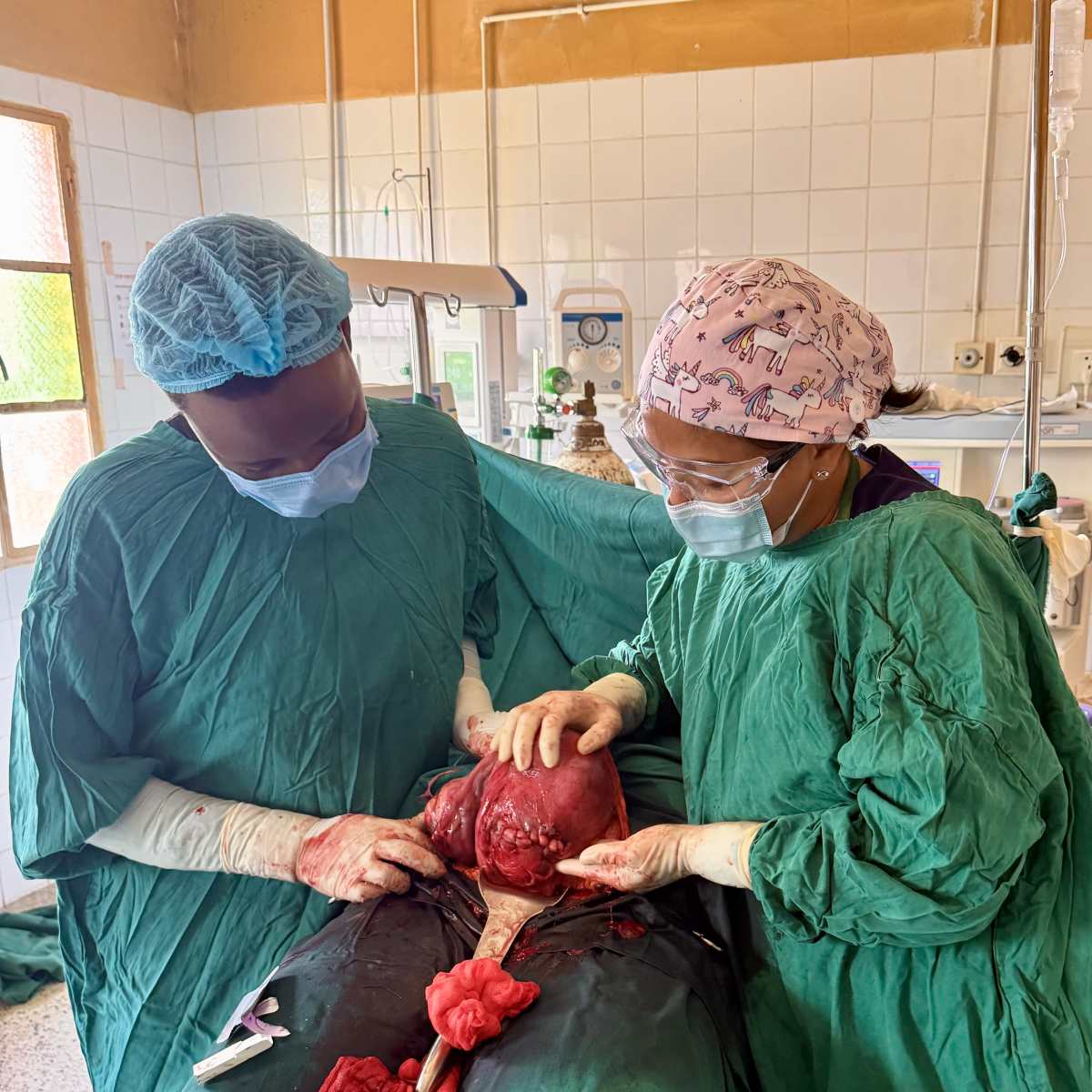
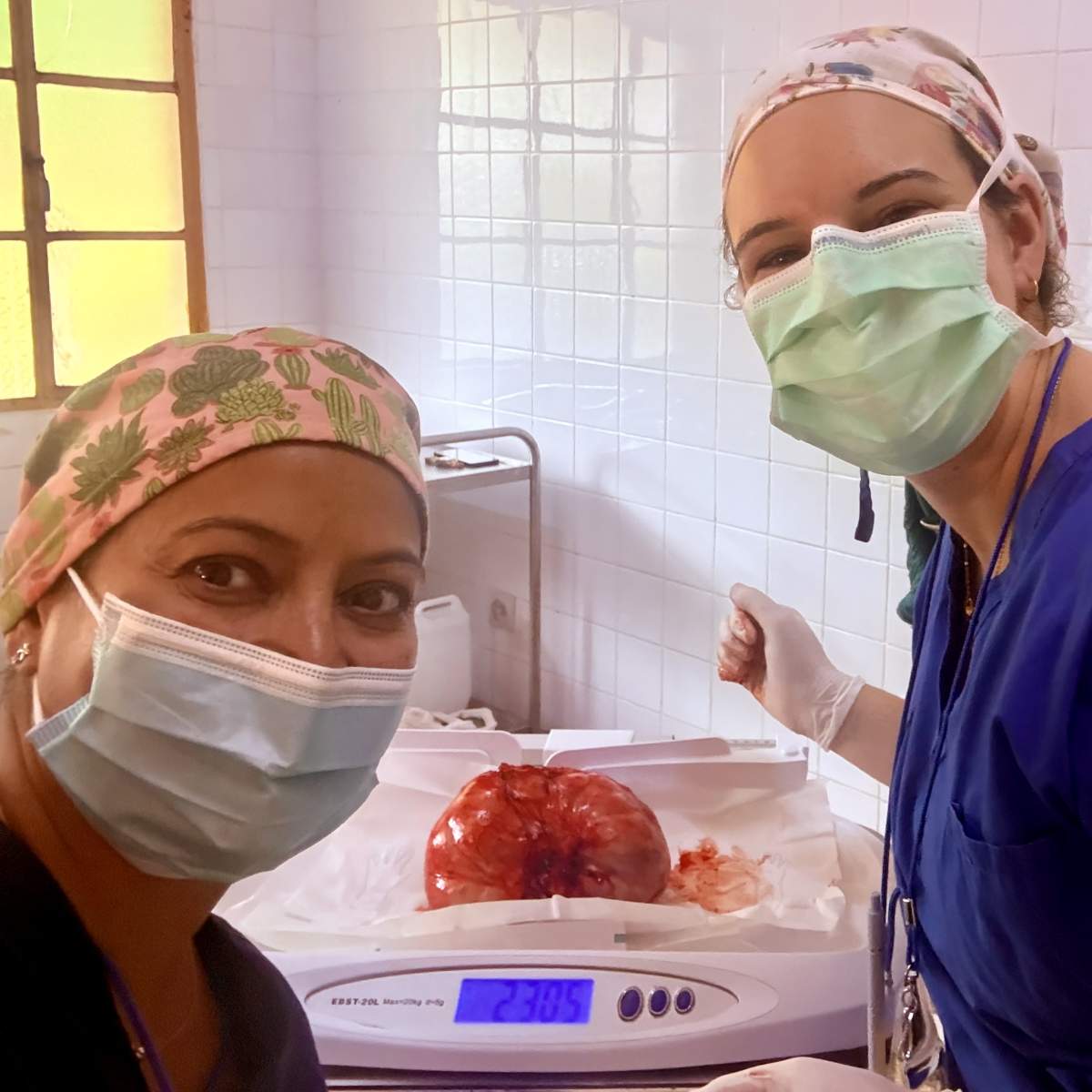
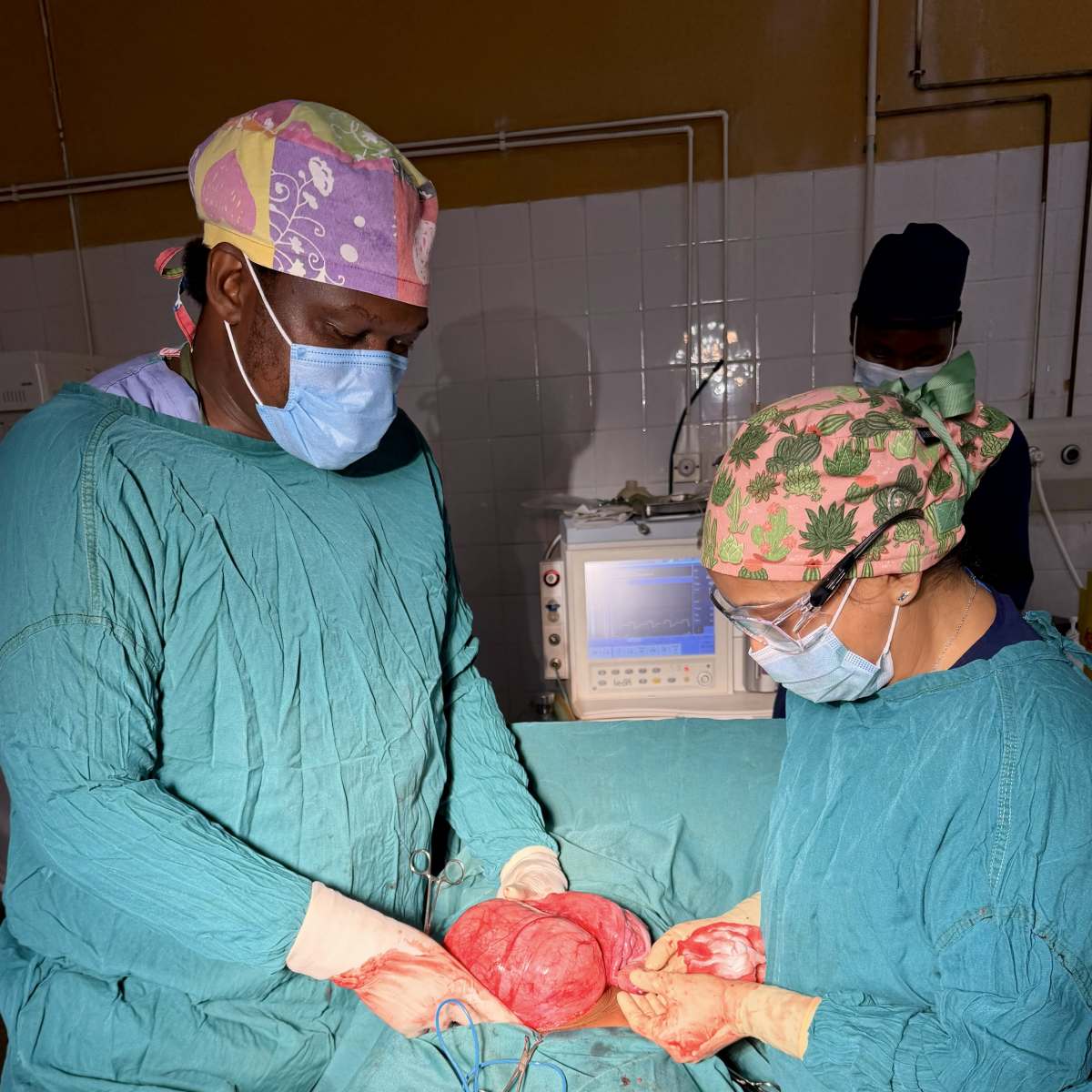
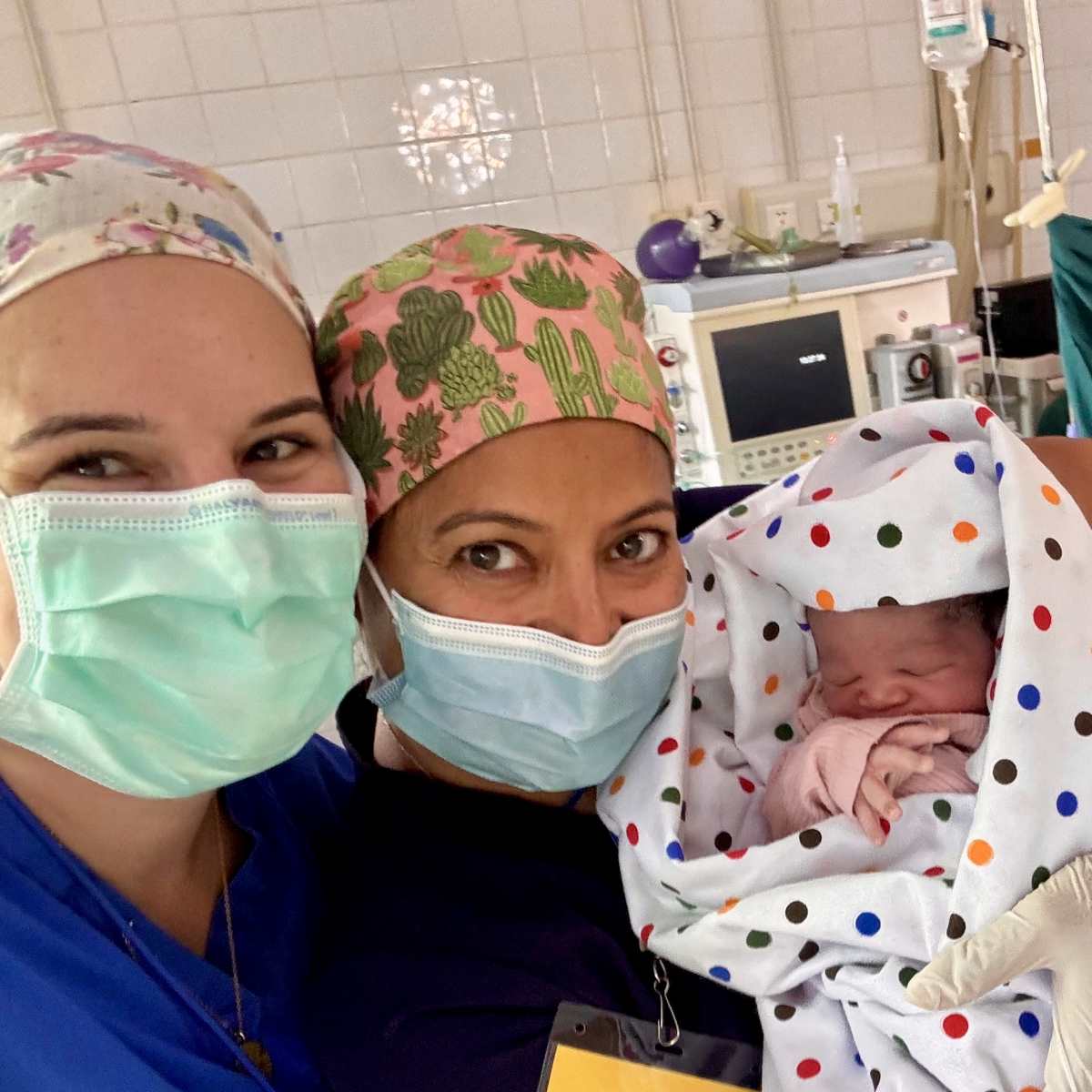
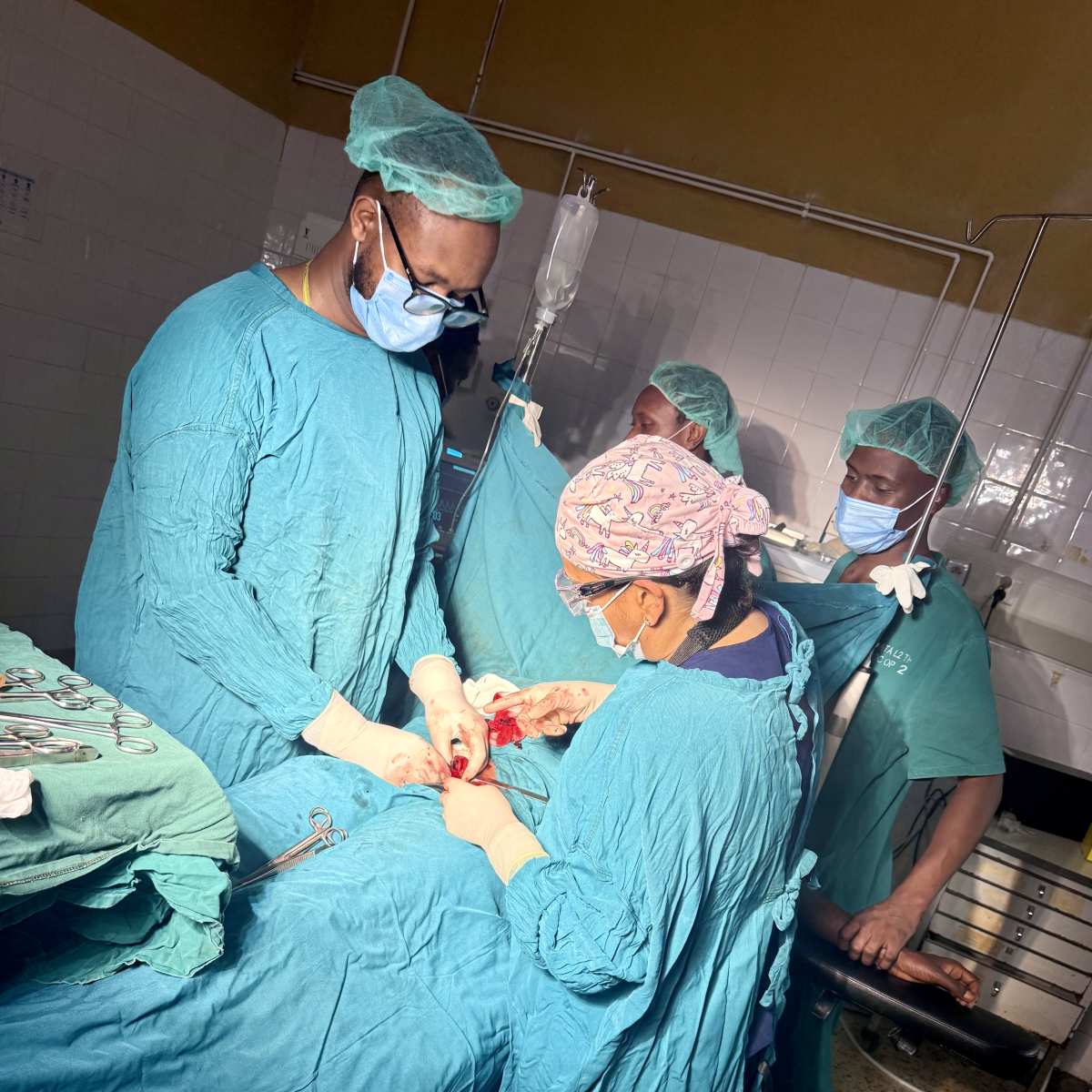

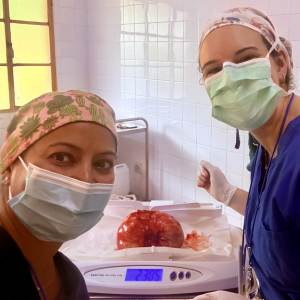
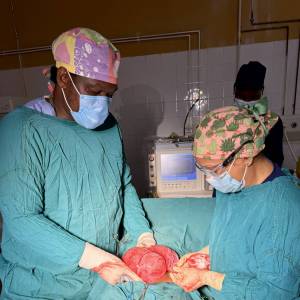

The Rwanda Surgical & Medical Mission Trip focused on advancing maternal health, empowering local clinicians, and delivering life-saving operative care through evidence-based education and direct clinical mentorship.
Key Mission Highlights
* Interactive Morning Didactics: Conducted daily morning lectures to teach local residents and faculty the principles of evidence-based medicine and critical surgical decision-making.
* Maternal Mortality Prevention: Emphasized safe cesarean section techniques specifically designed to reduce the risk of obstetric fistulas, severe postpartum hemorrhage, and maternal mortality.
* Outpatient & Diagnostic Teaching: Provided hands-on training in bedside ultrasound imaging and mentored local practitioners through complex outpatient consultations.
* Operative Surgical Care: Successfully performed complex gynecologic surgeries, managing advanced clinical presentations including large uterine fibroids, severe pelvic inflammatory disease with extensive adhesions, and life-threatening ectopic pregnancies.
Deepest gratitude is extended to the local host faculty, surgical staff, and community members in Rwanda for their warm welcome, collaboration, and shared dedication to improving women's healthcare and saving lives.

