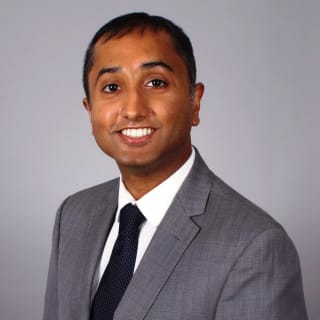
I plan to travel to Tanzania to partner with local surgeons in expanding access to high quality breast reconstructive care. During this trip, our team will provide both operative and non-operative education, including hands-on surgical training, discussions, and lectures. By working alongside local providers, we aim to strengthen their ability to independently deliver comprehensive reconstructive care long after the trip concludes. In addition, I will travel to Rwanda and Namibia to work with partner hospitals on medical capacity building and the development of a distance learning program. This component extends the reach of the trip beyond a single site by establishing infrastructure for ongoing remote education, case review, and mentorship between visiting and local surgical teams.
This project will focus on women with breast cancer and other conditions requiring breast reconstruction in Tanzania, where access to reconstructive surgery remains limited. Patients frequently undergo mastectomy without any reconstructive option, and the resulting physical and psychosocial burden is substantial. Local surgical leaders have identified a significant unmet need for specialized reconstructive care within this population, and ReSurge has partnered with them to help address these disparities. Through collaborative education and mentorship, this initiative seeks to empower local providers to expand access to safe and sustainable reconstructive services for their communities. The distance learning work in Rwanda and Namibia broadens this reach further, serving surgical trainees and practicing surgeons at partner hospitals who currently have limited access to subspecialty reconstructive education.
The impact of this trip extends well beyond the patients treated during the mission itself. In the short term, we will provide free high quality reconstructive surgical care to patients who would otherwise have limited or no access to these services. More importantly, the trip is designed to create lasting improvements in local surgical capacity through hands-on training and mentorship. By equipping local surgeons with advanced reconstructive techniques, clinical decision making skills, and ongoing support, they will be able to continue providing care independently and train future generations of surgeons within their institutions. The distance learning program developed with hospitals in Rwanda and Namibia is intended to make this mentorship continuous rather than episodic, allowing local surgeons to access case consultation, structured curriculum, and peer collaboration throughout the year rather than only during visiting team trips. Combined with the provision of essential equipment, supplies, and educational resources, this model fosters sustainable growth in reconstructive surgery capacity and creates a lasting increase in access to care for the local patient population.

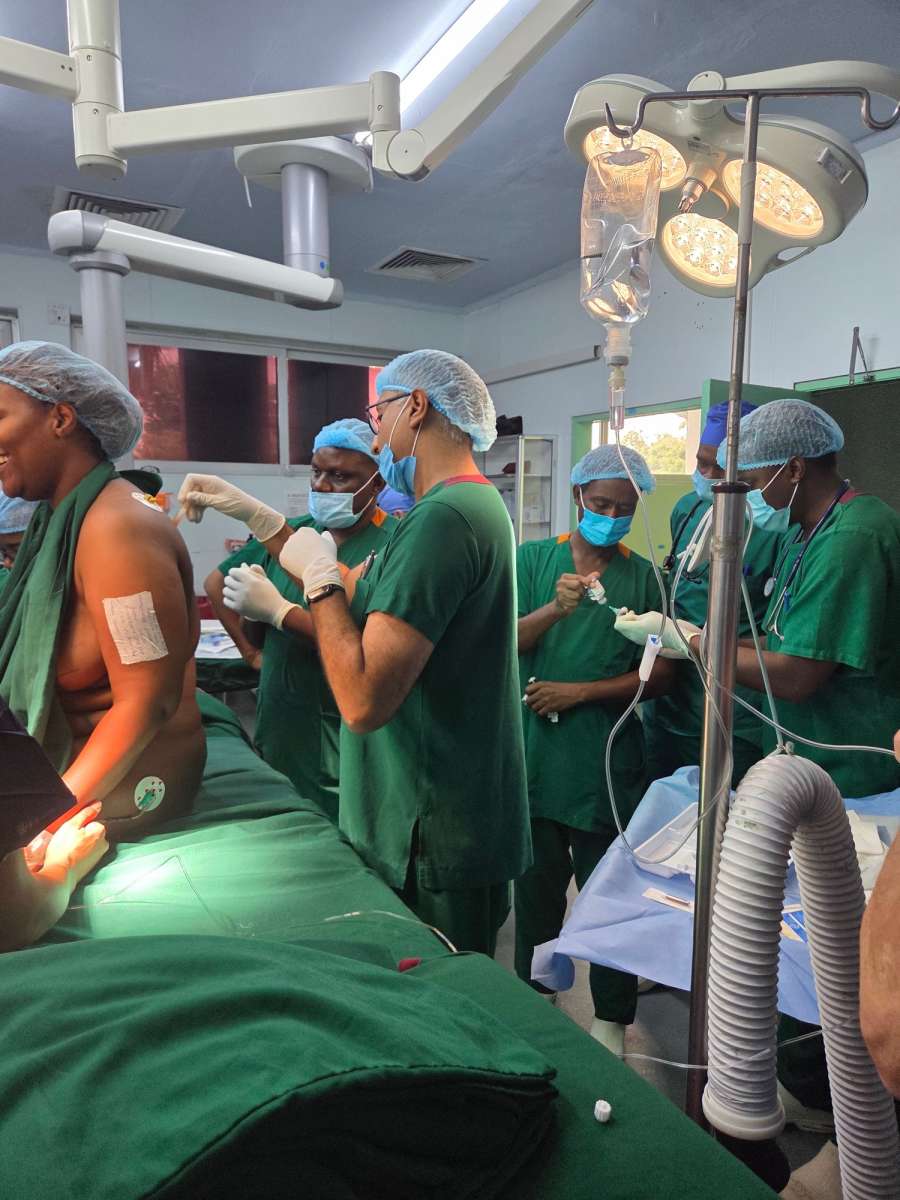
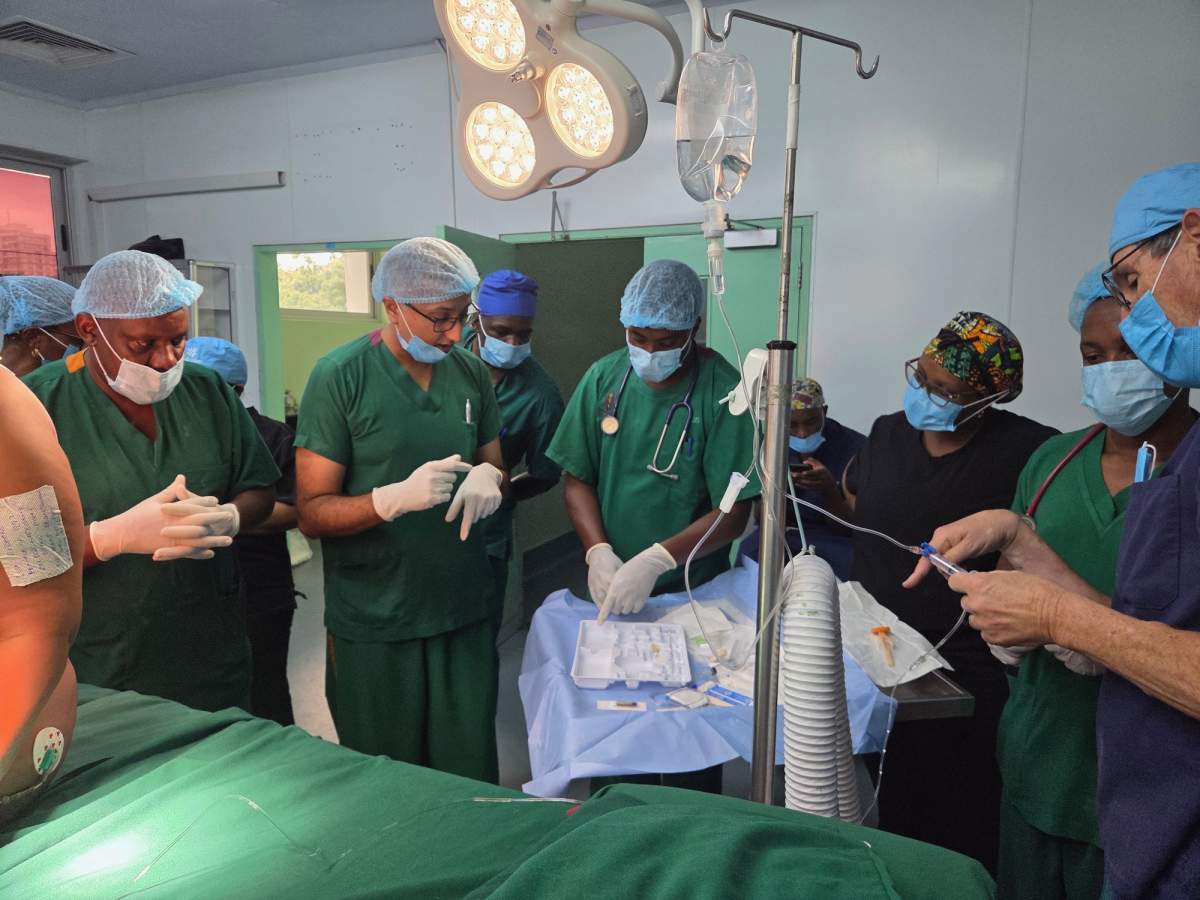

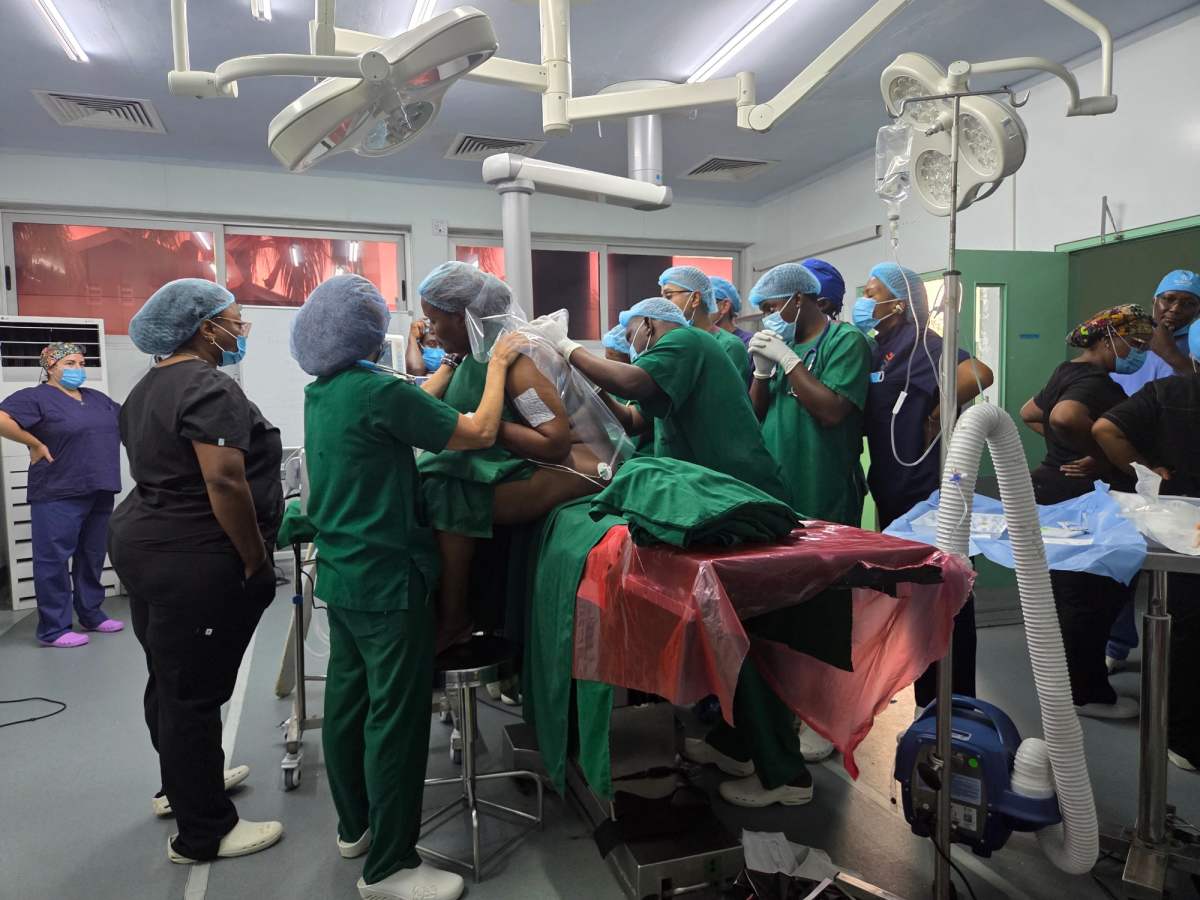
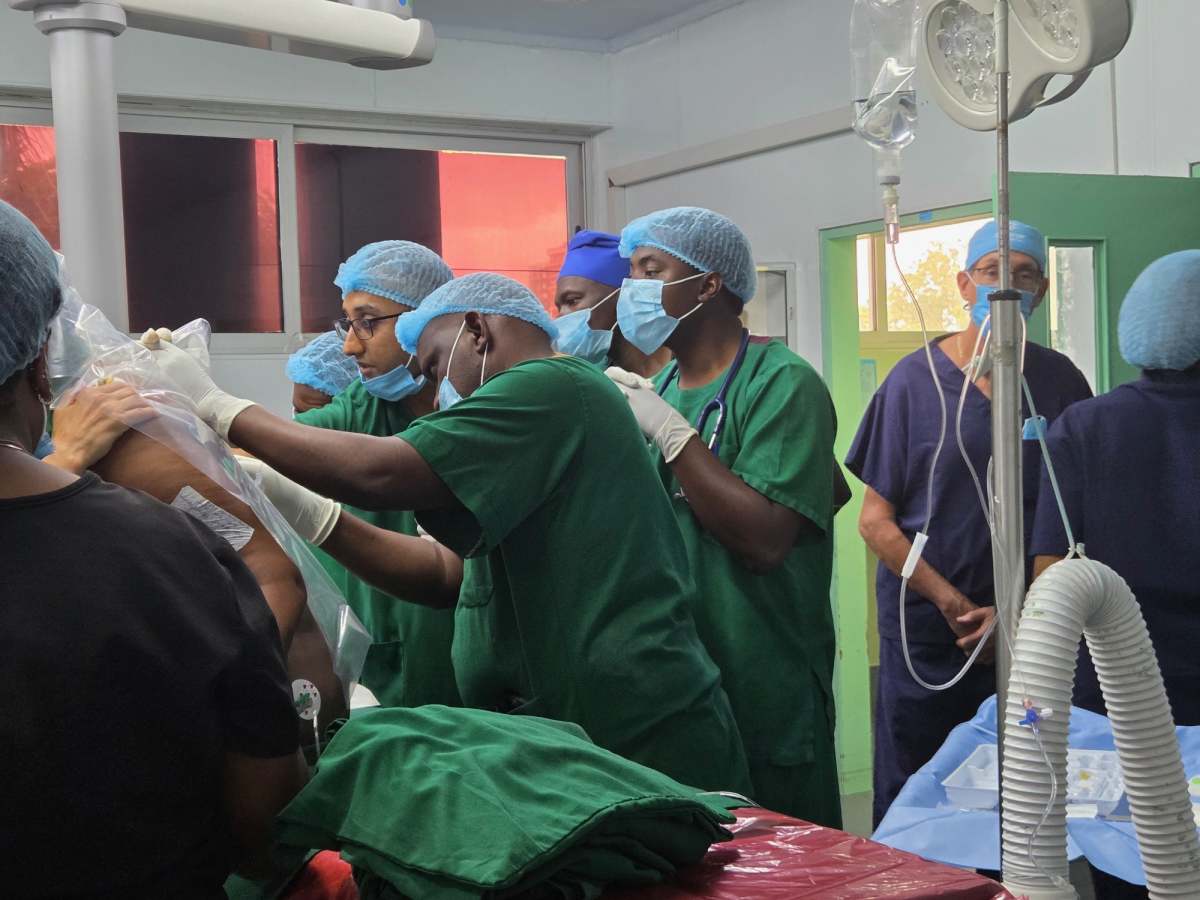
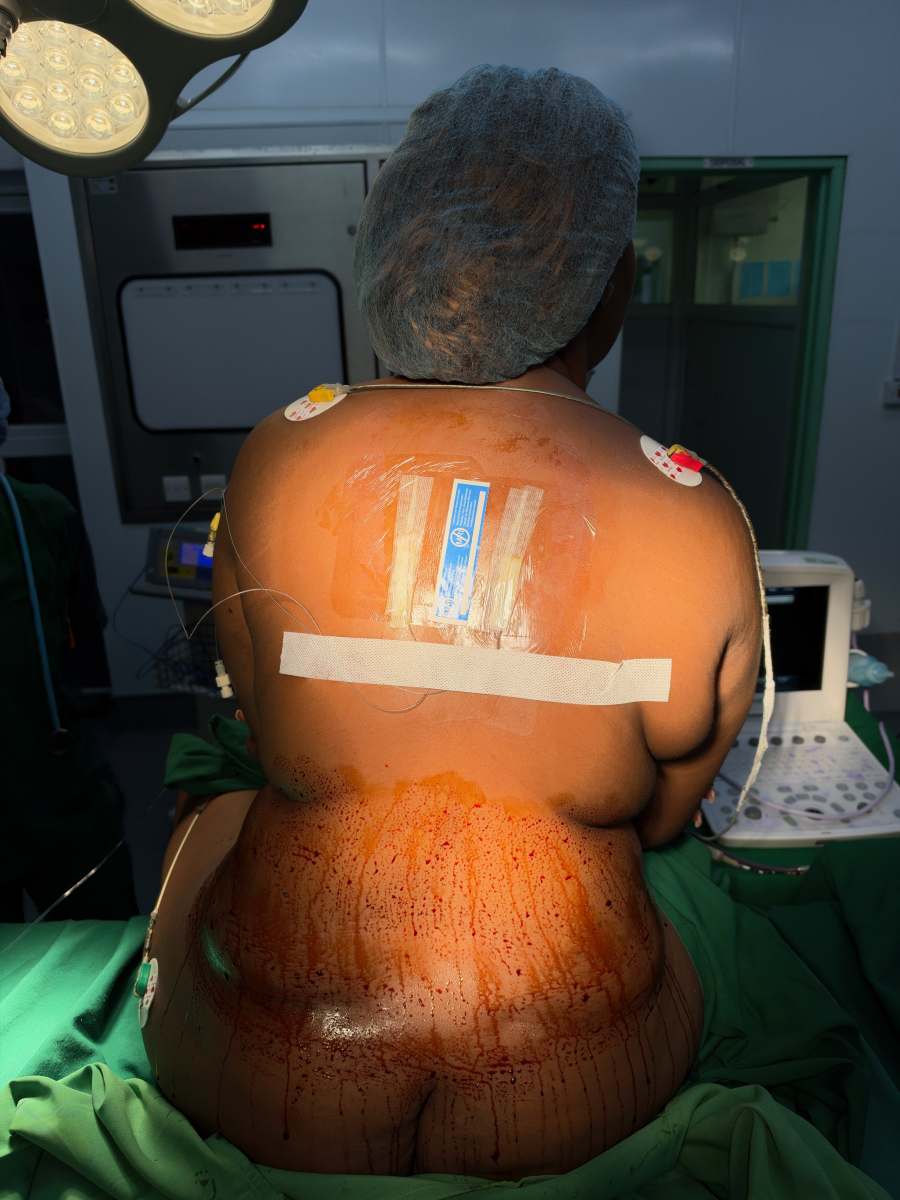
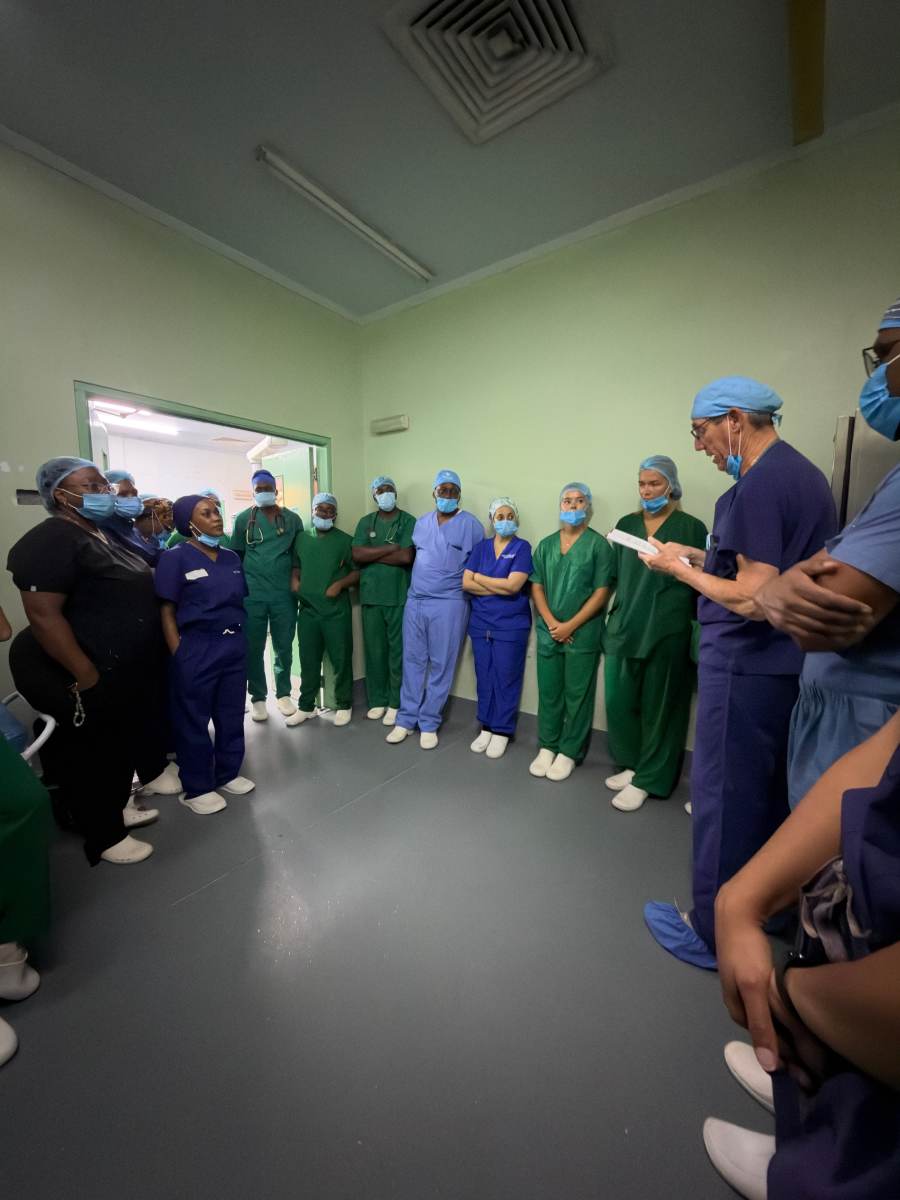
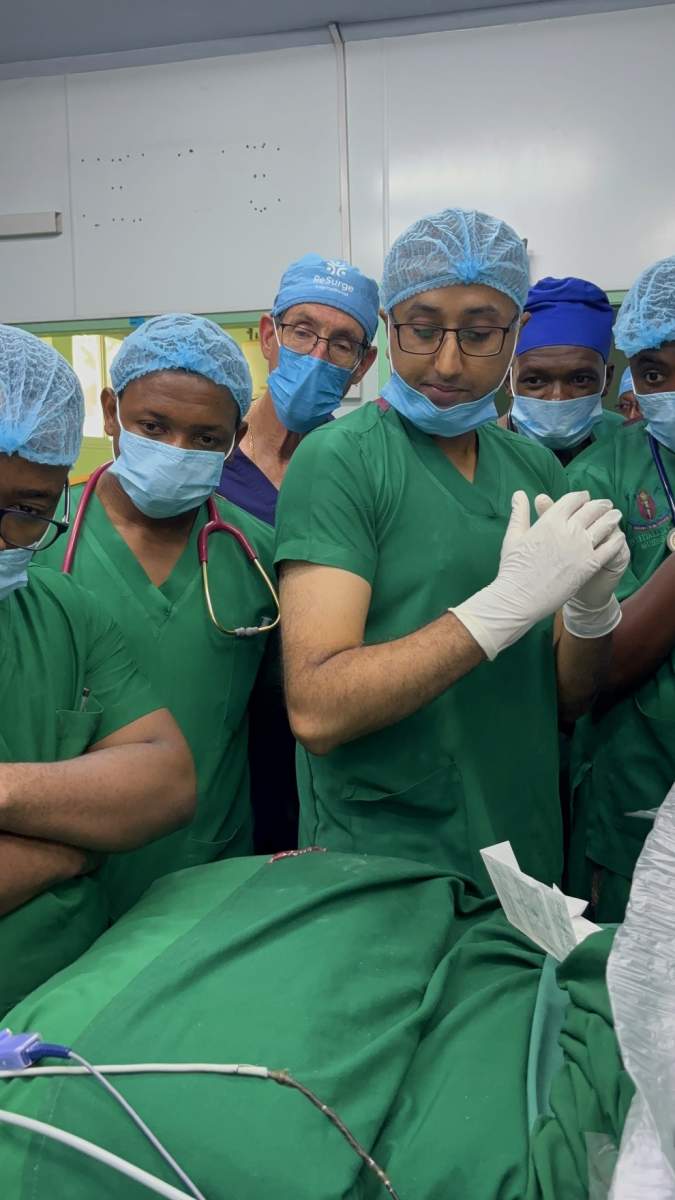
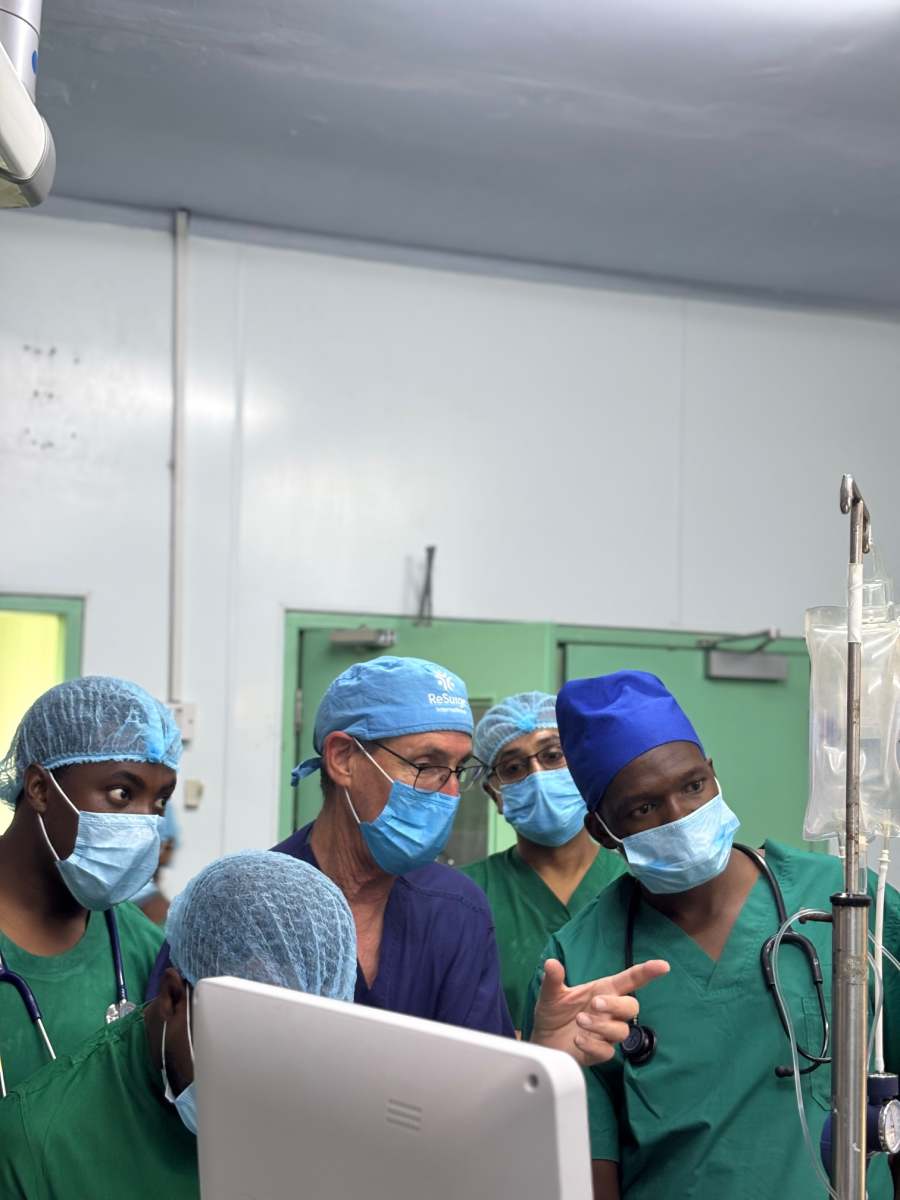
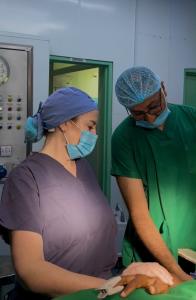


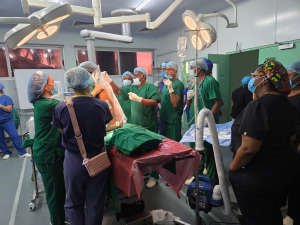

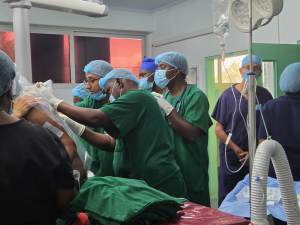

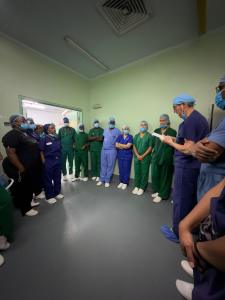

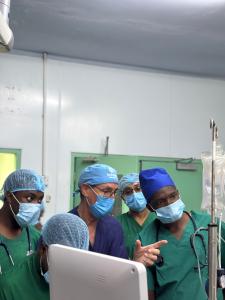
I traveled to Muhimbili National Hospital in Dar es Salaam, Tanzania, to join a surgical team performing breast reconstruction. Our team operated on six patients, and my focus was strengthening regional anesthesia and pain control for patients undergoing chest wall surgery.
I gave a lecture on nerve blocks for chest wall surgery to approximately 60 attendees and taught anesthesia faculty and residents to place both ultrasound-guided and landmark-based nerve blocks. Teaching both techniques matters because ultrasound availability can be limited, and landmark-based skills ensure patients can still receive effective pain control when it isn’t. Faculty and residents received instruction on our own patients, so they learned the blocks in real clinical cases. I also helped provide anesthesia and pain management for other patients in the operating room.
The most meaningful result came after we left. Just this week, one of the Muhimbili physicians wrote to tell me they had successfully performed a series of nerve blocks on patients undergoing breast reconstruction, without our involvement. This is what medical capacity building looks like: skills that are taught once, then carried forward and passed on by the local team, benefiting patients long after the visit ends.
I’m grateful to the Doximity Foundation for supporting this work and to our colleagues at Muhimbili for their partnership and hospitality.

